I turned 39 a few weeks ago. And using Samsung’s high-end monitor makes me feel it, right in my eyeballs.
Welcome to the Boost Mode newsletter. Every week I share my insights on PC gaming, desktop setups, and hardware optimization. I also track down some of the most interesting PC and nerd news from around the web, plus a PC game pick you might not have seen elsewhere. Want this newsletter to come directly to your inbox? Sign up on our website!
The Samsung Odyssey G80HF is a 27-inch, 5K2K gaming monitor. If that sounds a little weird to you, yeah, I think it is — 27 inches is pretty small for the stunning resolution, 5120×2880 at its highest. And frankly, I can’t see details at that size and resolution. Not at just 27 inches, not even from a couple of feet away.
But wait, this monitor doesn’t have to be just sharp. At its native resolution it pushes 180Hz, which is impressive — more than the somewhat meager Steam Machine can push in most 3D games, for example. But this is also Samsung’s latest dual-mode panel. If you need speed more than you need resolution, you can bump it down to 2560×1440 and go for 360Hz.
Michael Crider/Foundry
That’s great — a more usable resolution that my hardware can definitely hit. Here’s the problem: I can’t actually tell the difference between 240Hz on my primary, personal monitor (at a similar density, 34-inch, 1440p) and 360Hz on the Samsung in its faster mode. My eyes, which have never been very good, just cannot see anything but a barely perceptible increase in speed on the Samsung.
This isn’t Samsung’s fault. It’s not my fault, either — there’s nothing I can do about my crappy eyesight except make sure my prescription is up to date. But it does mean that $950 for this monitor, or even the more reasonable $700 it goes for more frequently, just doesn’t make sense to me. It might work for someone younger, or just blessed with better eyeballs. But for me, a $300 QHD monitor at around 240Hz is fine.
Playing Fortnite in Old Man Mode
This isn’t the first time I’ve had my techy interest intersect with the way my deterioration is proceeding apace. I first picked up Fortnite during the pandemic. I enjoyed it a lot, good movement mechanics, fun weapons. The setup for the Battle Royale mode was wholly unoriginal, of course, but combining it with the building mechanics was novel. There’s just one problem: I can’t build for shit.
There’s something about the two very different feelings of shooting in a 3D multiplayer game, and building massive, amorphous towers at lightning speed at the same time, that makes Fortnite break my brain. I’ve seen people — younger people, I assume — switch between building and fighting seamlessly. It’s like they’ve been doing it all their lives. But I simply can’t. I’m either building or shooting, not both.
Epic Games
For the first year or so I’d look for weapons and tools to counter building, like the Star Wars lightsaber to rapidly demolish structures, or Spider-Man web-shooters to quickly gain height, and I’d do okay. But when Epic made no-build mode a permanent fixture to the game, I hopped on it. In my head I call it “Old Man mode,” with no shade intended.
(Incidentally, I haven’t played Fortnite in over a year. There are too many good games made by real people coming out to waste time with slop.)
It’s possible that this is why I don’t care about adjustable actuation keyboards, which allow for some dazzling moves in online multiplayer shooters. I lack the reaction time and dexterity to actually use “snap tap,” or bind multiple keys or macros to a single button and hit them effectively. And that’s too bad, because these keyboards are all the rage at the moment…to the point where it’s getting harder to find a new, nice keyboard that uses standard MX-style switches.
I don’t need 8000Hz polling in my keyboard or mouse, either. I suppose it’s possible that a human could tell the difference between a mouse that refreshes its connection to the PC eight thousand times a second versus four thousand times a second, but that human isn’t me. To my knowledge, it never was, not even when I was a teenager who could count frames in Smash Bros. Melee.
Gaming gerontology
I realize that this may come off as a bit “old man yells at cloud.” And that at least a few of you are thinking that 39 isn’t that old, shut up, kid. Fair. But I have to assume that everybody has to face these sorts of things eventually with their hobbies. The average age of a professional e-sports player is 20-25, with 30 being considered well past retirement age — reflexes and intense schedules give these competitors a shorter peak time than most Olympians.

So if you’re old enough to rent a car without a co-signer, it might be time to give up any dreams you have of being a professional video game champion.
Whether or not you can actually utilize the tech you buy is always a good thing to consider. I could drop the price of a pretty good used car on a new PC setup, and feel really good about it for a few weeks. But would it actually enhance the experience beyond my merely “pretty good” Ryzen 7800X3D + 5070 Ti setup? Probably not. Considering my experience with this Samsung monitor, I question whether I’d even be able to tell the difference most of the time. And since any hardware on the inside of a gaming PC is becoming wildly expensive, it’s worth thinking about.

Arcade Classics
People played video games before I was born, of course. My parents played games while they were dating. But the people who were 5 when video game arcades first started getting popular around 1980 are now looking at retirement. (Or perhaps hoping that retirement will still be a realistic goal in ten years.) By the time my generation is old enough to theoretically retire, we’ll have lived our entire lives with games, even if they weren’t the driving medium for all that time.
What will a world of greying, wrinkled gamers look like? Will I be huddled around a TV in a retirement home, struggling to pull off a Falcon Punch on my fellow residents? That seems optimistic, for a lot of reasons. But my grandma — almost 90 — got really into Balatro a couple of years ago. So anything’s possible.
Cool stuff from around the web
- Don’t bully your Steam Controller, it’ll scream: The new Steam Controller has a little speaker inside. If you drop it, it might just let out a very familiar-sounding scream. I’ve tested this (yes, I’m a monster), it works.
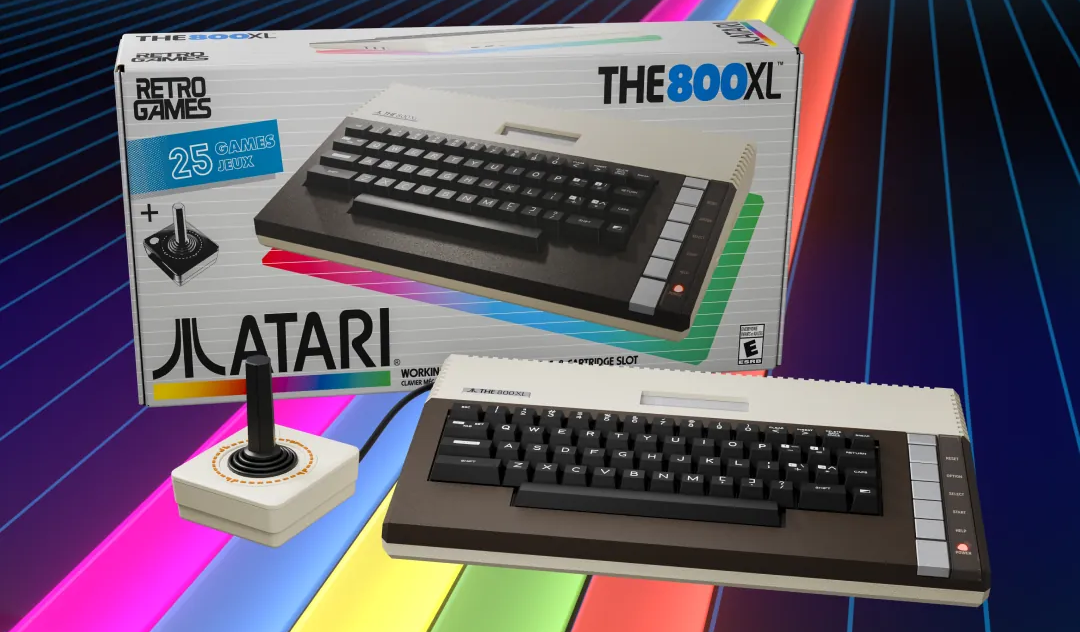
- A full-sized revival of the Atari 800XL from 1983 is on its way: You get a real mechanical keyboard, a cartridge slot that can play the original games, and 25 built-in titles, including Asteroids, Centipede, and Missile Command, as well as a modern HDMI port. It costs $220, coming out in April.
Atari
- AMD-powered handhelds are getting access to FSR 4: The newest in upscaling tech is coming to at least some of the popular, pricey handhelds on the market. Previously it was limited to discrete GPUs from the last couple of generations.
- This case can move its intake fans to point cool air where it’s needed: A neat idea, especially if you’re absolutely obsessive about your internal temps.
- An update to File Explorer will make the tilde key useful: The newest update will let you hit the ~ key to get instant access to your user folder.
Game pick of the week: Wildermyth
Worldwalker Games LLC
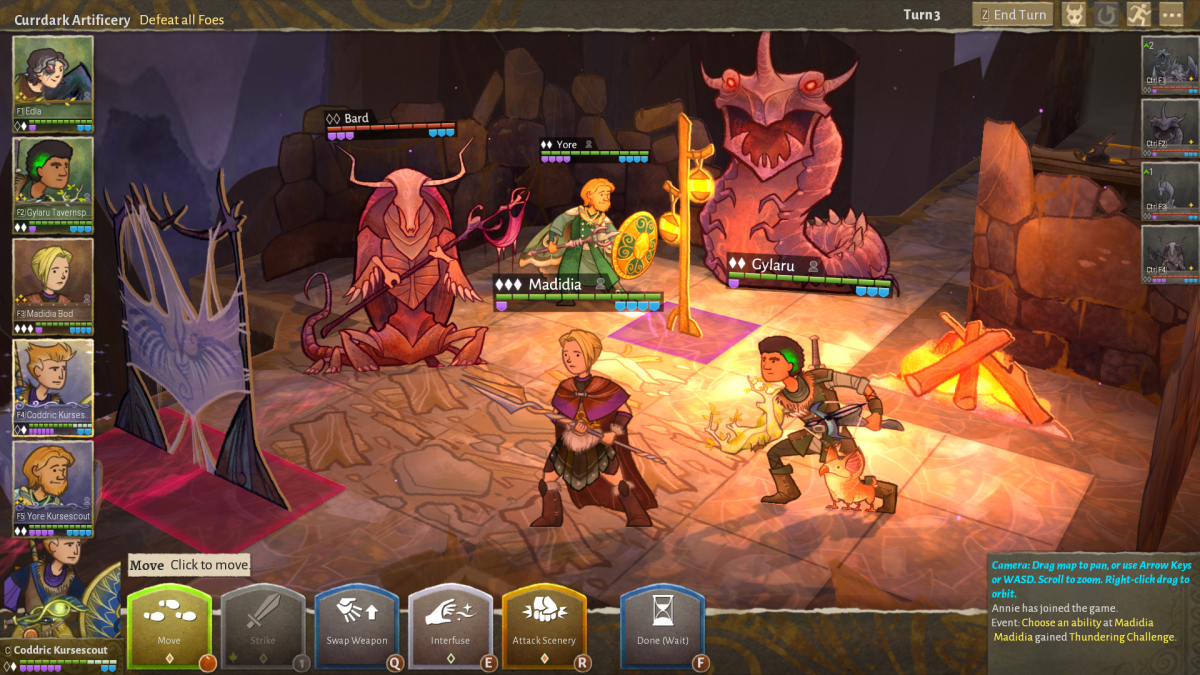
Maybe it’s just because my D&D group broke up, but I’ve been craving some turn-based role-playing…and I’ve abandoned too many Baldur’s Gate III runs. If you want something a little more manageable, then you absolutely need to check out Wildermyth. It’s a turn-based fantasy RPG, but the procedural generation randomizes pretty much everything. You won’t ever get the same run twice.
Wildermyth’s combat and other systems are simplified, more of a bite-sized snack of tactical RPG stuff than a full meal. The real treat comes from the way that your party members grow and interact with each other in unpredictable ways. If you play through multiple stories — each an hour or so long — you might find intergenerational threads, or old heroes from previous campaigns coming back in surprising ways.
The game does have a limit to its bag of tricks, so the stories aren’t literally infinite. But for a smaller game that you can play on almost anything, and in shorter chunks, it hits the spot. It’s $25 on Steam.
That’s all for this week. To get my editorials, news picks, and game recommendations delivered straight to your inbox, you can sign up for Boost Mode on the PCWorld Newsletter hub. Also check out The Full Nerd for more enthusiast-focused goodies, Prompt Mode for AI tips, Safe Mode to keep your PC and gadgets secure, and Smart Mode to boost your productivity.


