Star Wars: Galactic Racer is not a podracing game. But it is a game about podracing… and a lot more. Perhaps more than the developers actually intended. If you’ll indulge me a little, I’ll unpack this.
Welcome to the Boost Mode newsletter. Every week I share my insights on PC gaming, desktop setups, and hardware optimization. I also track down some of the most interesting PC and nerd news from around the web, plus a PC game pick you might not have seen elsewhere. Want this newsletter to come directly to your inbox? Sign up on our website!
Yeah, it’s a pretty good game
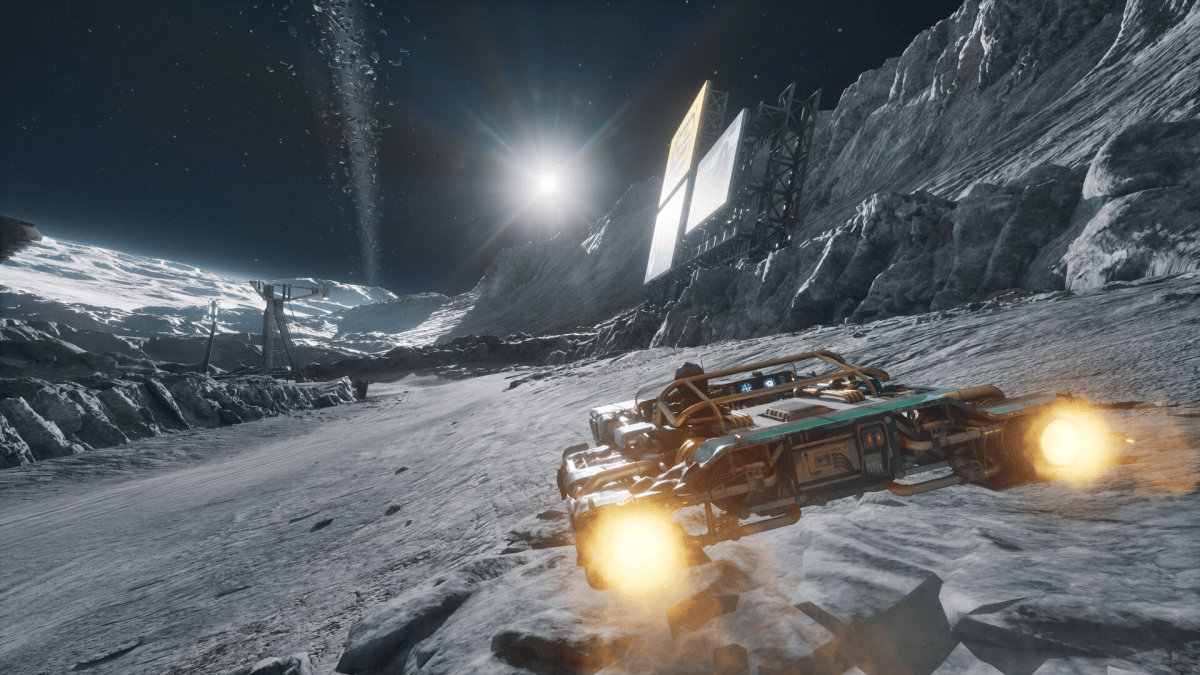
First, Galactic Racer is a pretty darn good arcade racing game. It’s an easy recommendation if you’ve ever enjoyed a game like F-Zero or Wipeout, or of course the original Episode 1 Racer from way back in the 90s. It’s got a decent roguelike singleplayer mode, competitive multiplayer, lots of customization options, some very pretty graphics, and most essentially, an incredible feeling of speed.
I especially like the little sci-fi touches that make this game more than just a set of cars and tracks. Before each race you can do a little quick-time button-tapping event to warm up your hovercar’s parts. It feels very intentionally like the pre-launch checks of a spaceship, or indeed, a futuristic racer. Your dangerous “ramjet” speed boost can overheat and explode, but on an ice planet it can go much longer. Very cool.
But what’s engaged me most is the story mode. And that’s surprising, because the story itself isn’t very good. Not that I’m disappointed — you don’t buy racing games to get enthralled by a narrative. On the surface it’s an extremely simple little tale. You’re a pilot who’s just out of prison on a trumped-up charge, some investors rope you into a racing league of questionable legitimacy, and there’s a rich guy asshole who’s doing rich guy asshole things. Your motivation is to knock him off his high speeder bike.
Star Wars fans are eating well
There’s a lot of fodder for the Star Wars fans. The story takes place at a very particular point in the sprawling Star Wars timeline, just after Return of the Jedi, when the Empire is freshly fallen and there’s a big power vacuum with a lot of jockeying to fill it. Apparently at some point after The Phantom Menace — the movie that put the pulse-pounding sci-fi update to Ben Hur’s chariot race in the cultural zeitgeist — the Empire outlawed the sport of podracing. So at the start of Galactic Racer, you very pointedly do not engage in podracing. Instead you get car-style landspeeders, bike-style speeder bikes, and “skim speeders.” This third and entirely new category is tougher and slower than a bike, but faster and more maneuverable than a car. It’s like a podracer, only…not.
This is my skim speeder. It is not, I repeat, NOT a podracer.
Michael Crider/Foundry
The thing is, basically every character in this game is either one of your fellow racers, or someone intimately involved in the sport. Your mechanic, your manager, your various financial backers. Everyone loves racing. This gives the dialogue and interactions some flavor that might otherwise be missing.
While I started the game mostly skipping the interactions in between each leg of the race, I eventually got to know my fellow racers. Like memetic mama’s boy alligator guy Biddy Blas, or rookie prodigy Goli, whose species is mute, so their friendly droid O2-RO speaks for them. My favorite is Fola Kanjen, a racer from a farming planet who wants nothing more than speed and excitement. Yes, those are some extremely Star Wars names.
So you’ve got a cast full of characters who love racing…but no podracing to be seen. Podracers are so fast and maneuverable that the danger in piloting one makes it almost impossible to hold a real, organized race. But it’s immediately apparent that there’s a legacy of podracing in the Star Wars universe, to more or less the same degree that there is in the real world. Everyone remembers podracing, and even those characters who are too young know of it and speak of it in reverent tones, recalling specific races and racers from approximately 30 years ago. And hey, would you look at that, Episode 1 and its accompanying video games are almost 30 years old here in the real world, too.
“I wanted racing back, the way it was, the way it should be!” says the game’s opening narration. “The audience has been dying to see a real podracer in the league. That is to say, they’re dying to see me,” says Kestar Bool, the rich jerkoff who’s executed a hostile takeover of the league.
Talking to these characters about the “glory days of podracing” feels a lot like listening to real motorsports fans. When a car nut talks about the Nissan Skyline GT-R R32 and gives it a nickname like “Godzilla,” or recalls with fondness the rapid advancements of a particular decade of rally racing, it gives off the same vibes. I don’t know enough about real racing to speak with authority here. But as an outsider, it sure seems like the developers were aiming for a very specific vibe, and hit it right on target.
“The glory days” of the prequels
I can’t help but analyze this through a broader media lens, too. If you’re a Star Wars fan, you probably know that it’s been very up-and-down since Disney acquired the franchise. The movie Episodes 7-9 had a reaction that was mixed at best, with a definite downturn on the final, 40-year cap to the “Skywalker saga.” The other tie-ins have ranged from surprisingly good (Rogue One and Andor) to fine, I guess (The Mandalorian, Solo, Ahsoka) to downright awful (The Book of Boba Fett, The Acolyte, and the latest movie, The Mandalorian and Grogu).
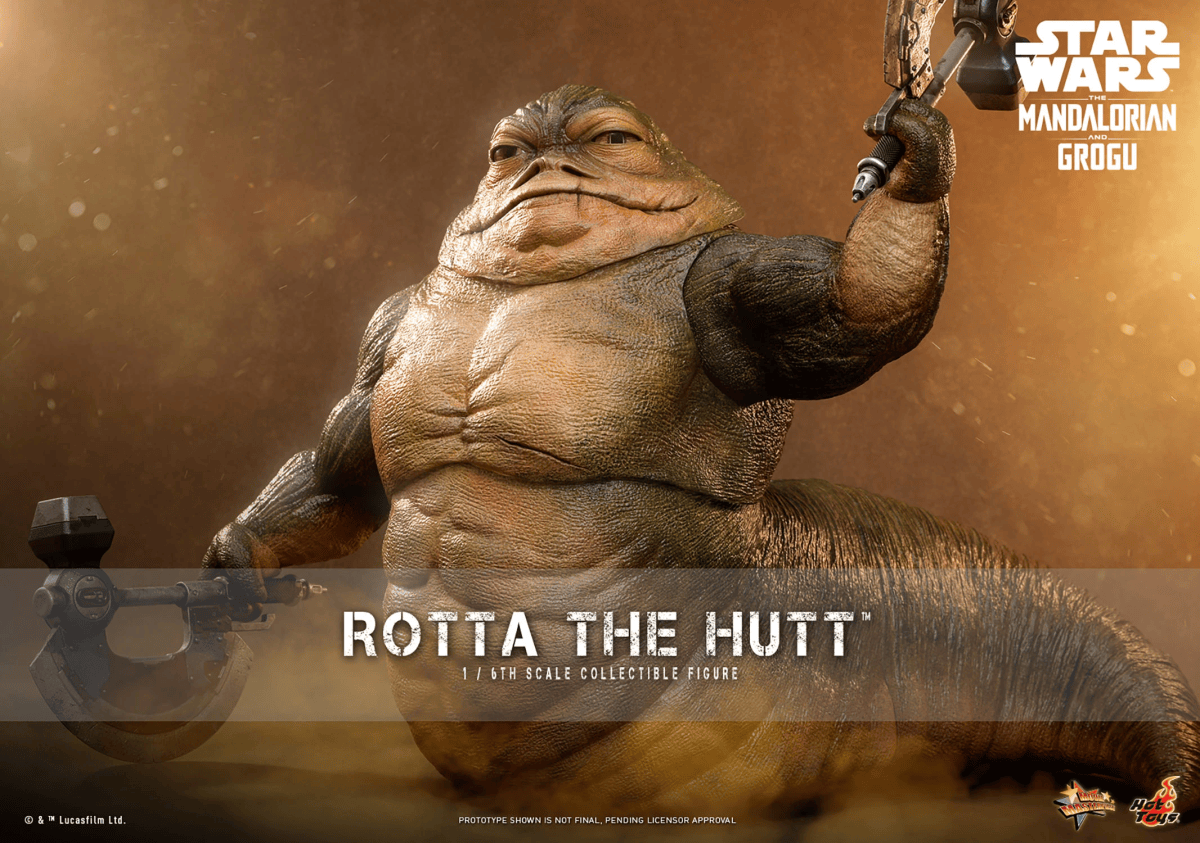
This action figure of Jabba’s jacked son can be yours for just $295.
Hot Toys
At the same time, people who were kids or teenagers when the much-maligned prequel series — of which the Episode 1 podrace was an unambiguous highlight — are fueling a new wave of nostalgia for those three movies. Which feels strange to me, since the prequels and George Lucas’s storytelling became a punchline after Revenge of the Sith.
But hey, I’m a Star Trek fan, so I have no room to judge anyone for liking questionable sci-fi entries. “From my point of view, the Jedi are evil” is at about the same level as “What does God need with a starship?” in terms of retrospective cringe.
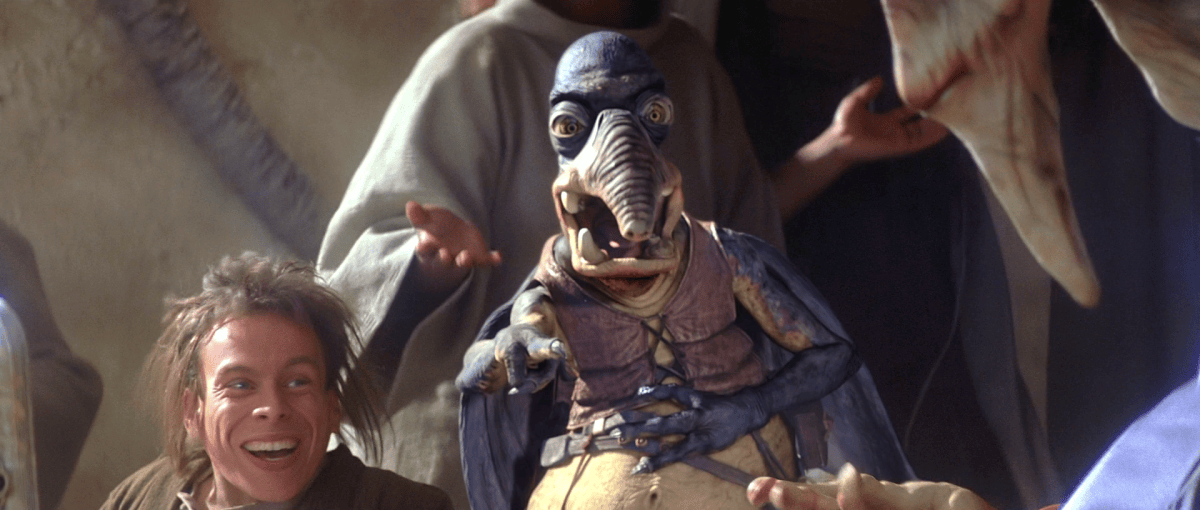
Disney
So is it any wonder that Galactic Racer seems inordinately fond of podracing? And perhaps more importantly, of the Episode 1 Racer game that came out on the N64 and other platforms twenty-seven years ago? That game bucked the trend of the 90s and early 2000s, when any movie tie-in game was likely to be shovelware at best. But I think it’s fair to say that the original podracing game is held in high esteem, with over 3 million copies sold, more than any singular F-Zero or Wipeout game by a wide margin.
It’s likely that few if any of Galactic Racer‘s dev team had a hand in the original. But assuming the team has people in their 20s through 50s, I’d bet that the majority of them played it at some point. Here I’ll point out that Zero Company, another well-regarded Star Wars game that released just a few months ago, uses the prequels’ Clone Wars setting for tactical strategy.
Now this is podracing
It’s no surprise (and no spoiler, since it’s in the trailer) that eventually you get your hands on a podracer in Galactic Racer, shortly after an older and more wrinkled Sebulba shows up. The bad guy of the original podracing sequence becomes the Mickey to your Rocky, helping you recover from the back foot and take on the villain in a junker that your team slowly brings back to life.
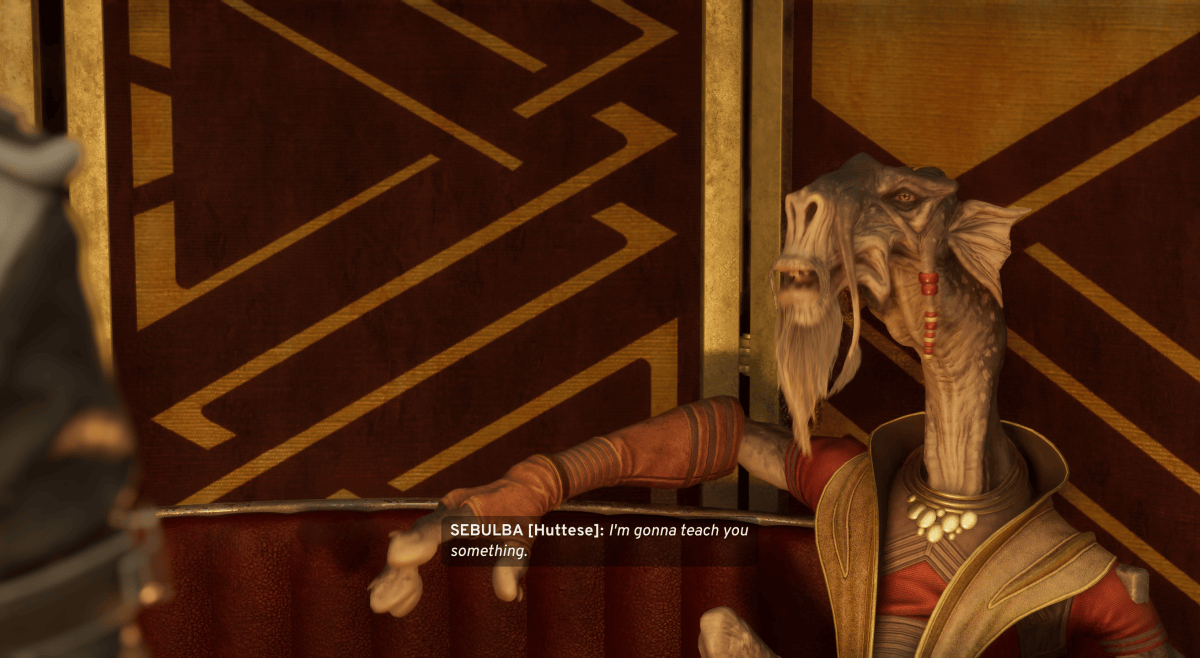
Fuse Games
You’ll get to relive those glory days with sequences that are essentially short, remastered versions of the Tatooine track from the movie and Episode 1 Racer. Plus you can take your cobbled-together podracer out on the new tracks and carry over your roguelike part builds to the much, much faster format. A handful of Phantom Menace racers return, a gallery of Glup Shittos that the biggest prequel fans will immediately recognize. The difference in these racing machines is immediately evident, and it’s such a sharp distinction that the game never mixes podracers with the other three categories of hovercraft. The capstone of every roguelike run is a white-knuckle one-on-one podrace, to dethrone the billionaire jerkoff who’s making his crippling insecurity everyone else’s problem.
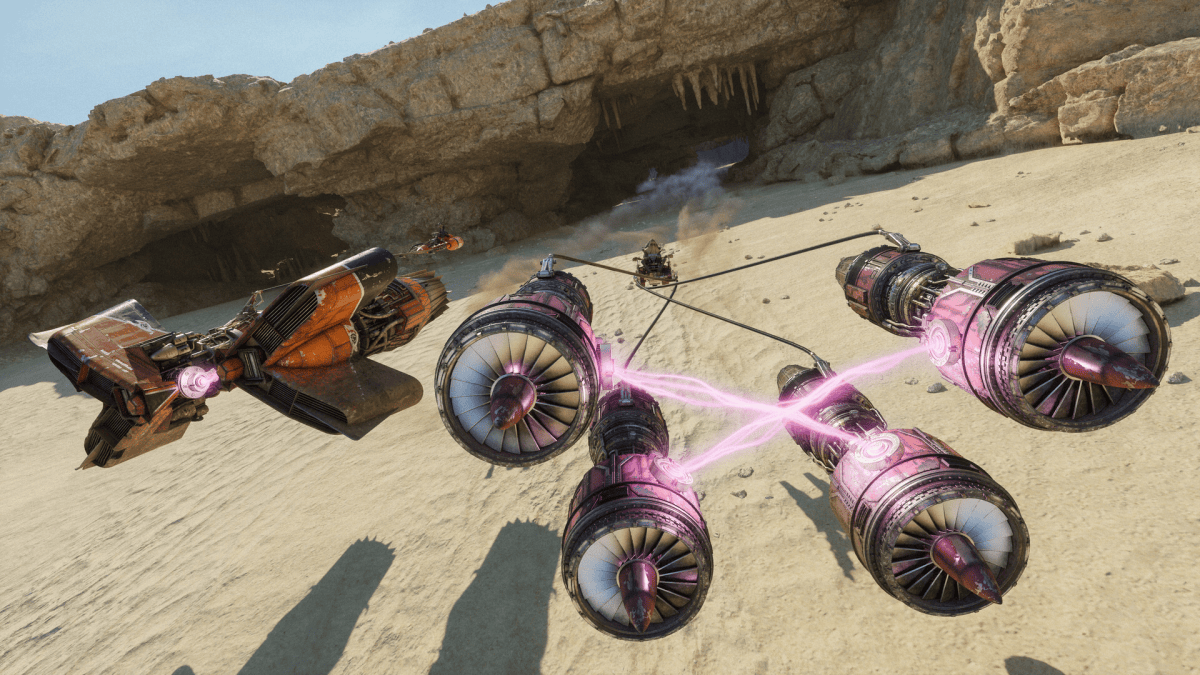
Fuse Games
The story in Galactic Racer isn’t much to write about, some colorful characters notwithstanding. Seeing Sebulba, a barely-notable antagonist, suddenly become a surly and lovable old coot a la Doc Hudson, is something I wasn’t expecting to see or enjoy so much. But it’s the metatextual story that really engrossed me. It’s a narrative about people in love with a sport, and making it personal and meaningful in spite of the money and power poisoning it from the top down.
Surely anyone who loves a sport, from racing to soccer to little league, can relate. Ditto for fans of Star Wars, or any property that’s been passed around the oligarch poker table.
Underneath the hood
This is a game very much in conversation with its predecessors, and even with Star Wars in general. I don’t know if the writers for Galactic Racer intended to tell a tale about a massive media franchise that looks better in the rearview mirror. And they certainly weren’t aiming for anything broader that one could mention in the same context — say, a gaming hardware space that’s being devoured by billionaire jerkoffs determined to turn “AI” into an infinite money glitch, at the expense of the environment and the economy. Or a game publishing industry that seems to viscerally hate everyone who actually makes games, and systematically deny them any kind of security or dignity. Certainly not.
(Galactic Racer is developed by Fuse Games, an apparently new British team under the Sumo Group, itself a wholly owned subsidiary of Tencent for the last four years. Tencent, for a variety of reasons, sucks bantha poodoo.)
Fuse Games
Galactic Racer is great fun. It’s not without its faults — the tracks can be a little bland and lacking in clear direction, especially compared to the old, cartoony sci-fi tracks in Episode 1 Racer. The lack of a split-screen mode (even on the PlayStation and Xbox) might sting a lot for those trying to recapture the feeling of the N64 original. But since Nintendo and Sony haven’t seen fit to give us new F-Zero or Wipeout games in multiple decades, I’d say it’s about as good as it gets in this small but interesting niche.
And if you get something more out of Galactic Racer’s story than what’s actually written on the pages of the script, that’s just a nice bonus.
Cool stuff from around the web:
- I’m going to signal boost the thesis of last week’s episode of The Full Nerd: Nvidia doesn’t need to care about PC gaming.
- Epic said it slop-coded the latest version of the Game Store to be faster. Then Valve made Steam faster with actual programmers. Tim Sweeney continues to get dunked on by pretty much the entire industry.
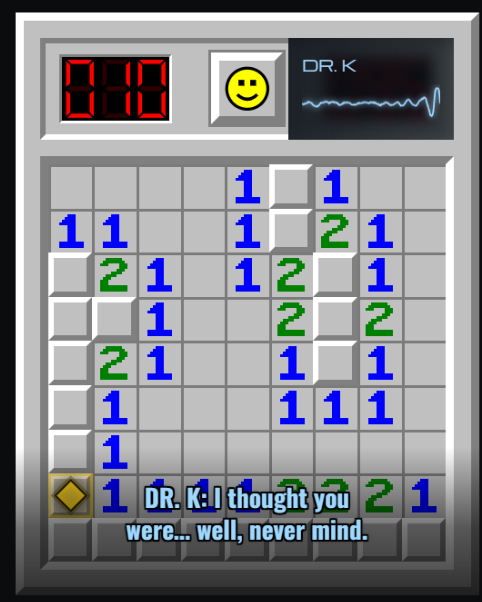
- Speaking of AAA nonsense, check out this “Triple-A Minesweeper,” a free game you can play in your browser. Be sure to turn RTX on.
- You can get the new Googlebook OS running on at least some Chromebooks, an interesting exercise if you want to check out the new platform without spending a thousand bucks.
- If you use both Xbox Game Pass and a Steam Deck, you need to check out this open-source tool bringing the former to the latter.
Game Pick of the week: Burnout Paradise
Electronic Arts
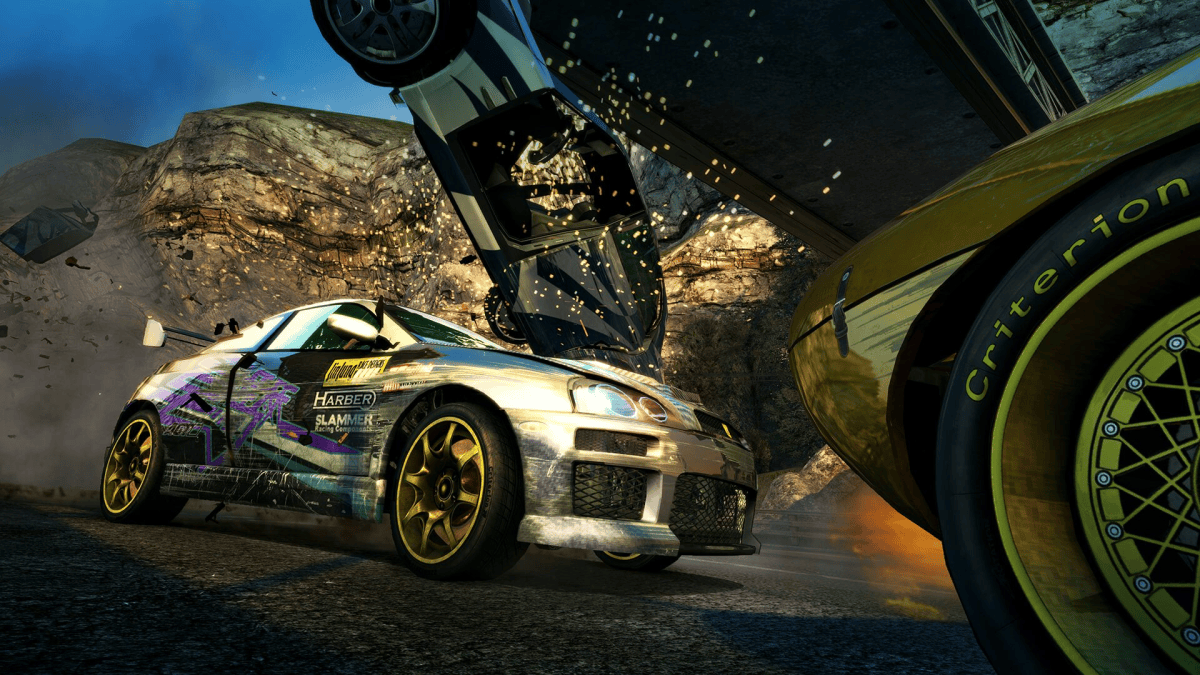
If you’re in the mood for some arcade racing but $60 for a new Star Wars game is a bit rich, then check out this certified classic. Racing fans know Criterion makes some of the best entries out there, and Burnout Paradise is generally considered the pinnacle of its long-running series. A lot of its DNA — particularly the elimination races that knock out the slowest car — can be seen in Galactic Racer.
Nearly 20 years later, Burnout Paradise is a bit of a 2000s relic, with an open-world setup that was all the rage at the time and seems a bit unnecessary now (unless you like Forza‘s map system, I guess). But it nails the sense of speed and splashy feel, where smashing your rivals into heaps of scrap is half the fun. This is essentially a Hot Wheels set in video game form.
Burnout Paradise Remastered is $20 on Steam, but can be found much cheaper elsewhere. It’s also on Xbox Game Pass.
That’s all for this week. To get my editorials, news picks, and game recommendations delivered straight to your inbox, you can sign up for Boost Mode on the PCWorld Newsletter hub. Also check out The Full Nerd for more enthusiast-focused goodies, Prompt Mode for AI tips, Safe Mode to keep your PC and gadgets secure, and Smart Mode to boost your productivity.


