Nvidia is evidently not content to be the world’s most valuable company, as the AI and GPU giant now appears primed to dive headfirst into the choppy waters of the laptop processor market. Whether that will help or hurt its fortunes remains to be seen, as the Internet has been aflame this month with rumors that Nvidia will unveil a new “N1X” chip this week at Computex alongside a weaker N1 chip – and the word is both will be SoC (system-on-chip) silicon aimed at Windows laptops.
That could be a big deal for anyone who wants to buy a laptop in the next few years, because everything I’ve heard about the N1X suggests it’s optimized for AI performance, battery life, and perhaps even gaming. If Nvidia’s efforts to partner with companies like MediaTek and Intel has produced a capable CPU married to a svelte Nvidia GPU on a single chip, utilizing Nvidia’s expertise in building high-performance systems for AI and enterprise use, that’s potentially a game-changer for the laptop market – and a big challenge to AMD, Apple, and Qualcomm’s flagship laptop chips.
What is Nvidia N1X?
Before I explore where this all could go, let me run down what we know so far. First and foremost, while we don’t know for sure if we’ll see an N1 chip at Computex, we do know they exist – Nvidia CEO Jensen Huang already confirmed the company has been working on something called the N1 chip for some time.
We first got wind of it back in 2024 with reports that MediaTek was considering partnering with Nvidia to make Arm-based chips. At CES the following year Nvidia revealed a new AI-focused DGX Spark mini PC powered by its new GB10 Superchip (basically an Nvidia GPU sandwiched together with a 20-core Arm CPU and a bank of memory, pictured as small box above), and later company chief Huang confirmed (according to Tom’s Hardware) that the N1 is basically the same processor that’s being used in the DGX Spark and other Nvidia products.
So when we started seeing reports (via VideoCardz) early this year that Lenovo was testing laptops with chips sporting N1 and N1X nomenclature, it was pretty easy to guess what was coming. And indeed we’ve seen reports from the Wall Street Journal that Dell and other manufacturers are working on products packing N1 and N1X chips, suggesting there’s a wave of laptops packing Nvidia SoCs coming down the pike.
Now, until we see an official press release or fact sheet I can’t say for sure how the N1 and N1X chips will stack up against the latest and greatest this year. So far the rumors suggest the N1X could be equipped with a 20-core CPU developed in conjunction with MediaTek, an onboard Blackwell GPU sporting 6,144 CUDA cores (the same amount you find on an Nvidia RTX 5070 GPU) and support for up to 128 GB of LPDDR5X memory in a unified architecture that makes it accessible to both CPU and GPU – just like Apple’s M-series chips and Qualcomm’s Snapdragon X silicon.
Why laptop makers care
The fact that Nvidia is reportedly about to launch its own laptop-grade SoC is exciting because Nvidia may be able to find new ways of eking better performance and battery life out of Windows PCs running on these N1 and N1X chips, and it could potentially do a better job of optimizing performance than competitors like AMD and Qualcomm.
On the other hand, Nvidia’s competitors have all been doing this for years now and they presumably have more data and expertise about what works. We also expect new laptops featuring Apple, AMD, Intel and Qualcomm to hit the market this year, so we’ll have to wait and see how the long-rumored N1 and N1X stack up in terms of price and performance. One thing I’m certain of: Nvidia entering the laptop SoC market is going to ramp up competition, and that seems like good news for anyone buying a laptop in the next few years.
Why AI may be the real focus
Nvidia’s N1X could challenge Qualcomm’s Snapdragon X2 Elite for AI TOPS supremacy.
Mark Hachman / Foundry
Before you start dreaming about thin-and-light MacBook Air competitors packing the power of an Nvidia GeForce RTX 5070 laptop GPU onboard, let me gently bring you back to reality. Remember, Nvidia thinks of itself as more of an AI company than a graphics company at this point, so any new Nvidia-branded laptop chips are almost certainly going to be optimized and marketed for AI applications first and foremost.
We’ve already seen competitors like Qualcomm doing a ton of work to market its Snapdragon X chips as your best choice for AI apps, and indeed the new Snapdragon X2 Elite sports an NPU offering a whopping 80 TOPS (trillion operations per second), outpacing most competitors. Qualcomm’s new high-end chip is also a beast when it comes to performance in benchmarks like Cinebench, so if you’re passionate about utilizing AI apps or effectively editing video on an ultraportable, a high-end Arm-based laptop could be great for you.
Why gamers should be cautious
But when it comes to gaming, the story isn’t so rosy. Like Nvidia’s N1X, Qualcomm’s Snapdragon chips are built on Arm architecture, which means they have to emulate an x86 layer in order to run x86 apps. That includes basically all PC games from the last few decades, and while you can play many of them on your new Arm laptop today the performance will be hit-or-miss.

Some PC games, like “Kill it with Fire 2,” crash immediately when launched on an Arm-based laptop.
Mark Hachman / Foundry
This is one of the biggest drawbacks to buying an Arm-based laptop, and by embracing Arm for its new N1 and N1X chips Nvidia is potentially walking right into the same pitfall. In fact the pit is probably deeper, because one of the latest ways to play x86 games on an Arm-based PC is the Prism emulation layer in Windows – and Prism is specifically tuned for Qualcomm’s chips, with some performance features that only work on a Snapdragon SoC.
So as the Internet salivates over the potential for Nvidia’s new chips to power the next generation of gaming laptops, keep in mind that unless they have a solution for the x86 emulation problem the first wave of N1X-powered laptops likely won’t blow your gaming laptop out of the water.
Nvidia N1X doesn’t need gaming to succeed
But that’s okay, because I don’t think Nvidia’s N1 chips need to be great for gaming in order to make a difference in how we buy laptops for the foreseeable future.
See, Nvidia is getting into the laptop chip biz at a moment when things look especially dreary for high-end notebooks. Between skyrocketing costs for RAM and storage and the already painfully high prices on high-end GPUs, anyone shopping for a powerful PC in the next few years needs either deep pockets, a lot of time to hunt for deals or a willingness to compromise. And if you (like me) are in that last camp, you’re prepping for an era in which we focus on scrounging for great deals and buying/building “good enough” hardware rather than chasing the cutting edge.
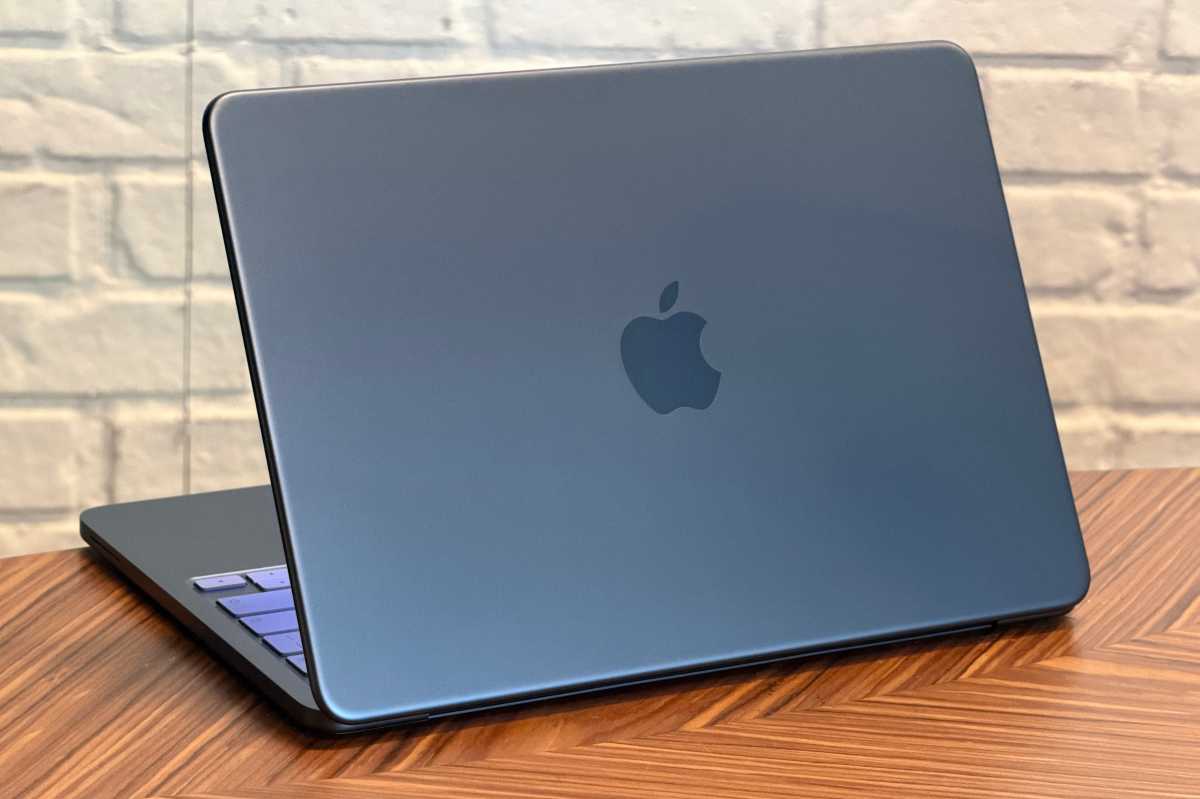
Apple’s MacBook Neo has been a revelation for cheap PCs.
Foundry
That makes right now an ideal time for something like the MacBook Neo, a perfectly capable (and eye-catching) laptop that can be yours for as low as $600. Cheap Windows laptops are in a really good place right now too, and I expect they’ll get even more capable thanks to performance improvements in affordable Intel Wildcat Lake and Qualcomm Snapdragon C laptops debuting this year.
If I’m right and we’re entering our cheap laptop era, then Nvidia’s new N1 and N1X chips could arrive right when we need them most. It would be great to see these new slices of silicon unveiled at Computex 2026 this week with some sort of novel new design or feature that promises to revolutionize the gaming laptop landscape, but I’ll settle for stiff competition and an affordable price tag. After all, the last SoC that Nvidia shipped was the Tegra chipset, which is perhaps most famous for driving the Nintendo Switch and Switch 2 consoles – and as good as those machines are, they’re not exactly high-performance gaming powerhouses.
We’ll have to wait until Nvidia’s Computex keynote Sunday evening (or Monday morning if you’re on site in Taipei) for our best chance to get the scoop on the N1 and N1X chipsets. Stay tuned!


