Summary created by Smart Answers AI
In summary:
- Macworld analyzes Apple’s iPhone Air, the thinnest iPhone ever at 5.64mm, which has sold only 700,000 units despite impressive design.
- Priced at $999 with limited features like a single camera and poor battery life, consumers find it overpriced compared to the $799 iPhone 17.
- Poor sales indicate users prioritize functionality over extreme thinness, suggesting Apple may reconsider its Air strategy for future smartphones.
The ultra-thin iPhone Air definitely caught everyone’s attention when it was unveiled last September. It’s the thinnest iPhone ever made, and it gave us a clear glimpse into the future of smartphones. When the new iPhones hit shelves on September 19, everyone was talking about the iPhone Air.
Months later, the reality is that very few people seem to have chosen the iPhone Air over its siblings. People who own it sing its praises, it’s one of the few iPhones to get a no-strings discount, and its design has been hailed as one of Apple’s best. So why hasn’t it been as successful as the other models?
Perception vs perspective
There’s no denying that the iPhone Air is a truly impressive device. Although my daily driver is an iPhone 17 Pro Max, I’ve had the chance to spend some time with the iPhone Air on a few occasions (most recently at an Apple event), and every time I hold it in my hands, I’m amazed by how thin and light it is.
We’re talking about a phone that’s just 5.64 millimeters thick and weighs only 165 grams. By comparison, the 17 Pro Max is 3 millimeters thicker and weighs 233 grams. It’s impossible not to feel the difference.
The design of the iPhone Air is undeniably impressive.
Foundry
The Air is also stunning. The combination of its ultra-slim design and shiny titanium frame screams luxury. Yet, sales of the iPhone Air are far from being a huge success.
Apple itself doesn’t provide details on sales figures for each iPhone model. But during a call with investors last month, both Apple CEO Tim Cook and Apple CFO Kevan Parekh revealed that the iPhone 17 lineup is the most popular in history.
A Chinese leaker known as “Digital Chat Station” recently shared a report providing some insight into iPhone Air sales, and the numbers aren’t encouraging. According to the report, Apple has been struggling to surpass the 1 million mark for iPhone Air units shipped. So far, the company has reportedly sold around 700,000 units of its thinnest iPhone yet, a shockingly low number for a company that moves some 250 million handsets each year.
Dreams vs reality
I’ve always dreamed of an ultra-thin phone. To me, a phone of the future would be a device with an edge-to-edge display that’s thinner than the iPhone 6. The iPhone Air is, in a way, the closest Apple has ever gotten to that vision.
Many people I know want the same thing: thinner, lighter phones. After all, as smartphones have become more powerful, they’ve also become larger, thicker, and heavier. But the overall failure of the iPhone Air has posed a question: Do people prioritize design over functionality, or the other way around?
Once again, the iPhone Air is impressive. But once you actually start spending time with it, you realize its limitations.
The iPhone Air’s single camera is one of its biggest hurdles.
Britta O’Boyle / Foundry
Because it’s so thin, Apple was only able to fit a single rear camera on the iPhone Air. You can’t take ultra-wide or long-range zoom photos with it. That’s not a problem for people who are not into taking photos, but chances are you’ll eventually miss having extra angles for your shots.
The battery is also an issue. After all, there’s no way to fit a huge battery inside an ultra-thin phone. Although Apple claims that the iPhone Air lasts a full day on a single charge, the reality is that this only applies when you’re using your phone for basic tasks. People who work more intensively with their phones end up having to recharge the iPhone Air twice a day.
Also, there are a few other minor limitations, such as the Air having a mono speaker and lacking the vapor chamber found in the iPhone 17 Pro models, which allows the phone to run cooler for longer.
Given the poor sales of the iPhone Air and other thin phones, such as the Galaxy Edge, it seems that people still prefer functionality over design, or at least a balance between the two. Buyers aren’t willing to give up features for a fancy form factor in 2026.
Want vs need
These limitations aren’t a problem for everyone. There are people who really just want a smartphone to do basic things like send messages or browse the web. For those people, an iPhone Air works just fine.
But things get tricky when you start comparing the iPhone Air to the rest of the lineup. Despite all its hardware limitations, the Air starts at $999. That’s only $100 less than the iPhone 17 Pro, which has two extra cameras and a much larger battery.
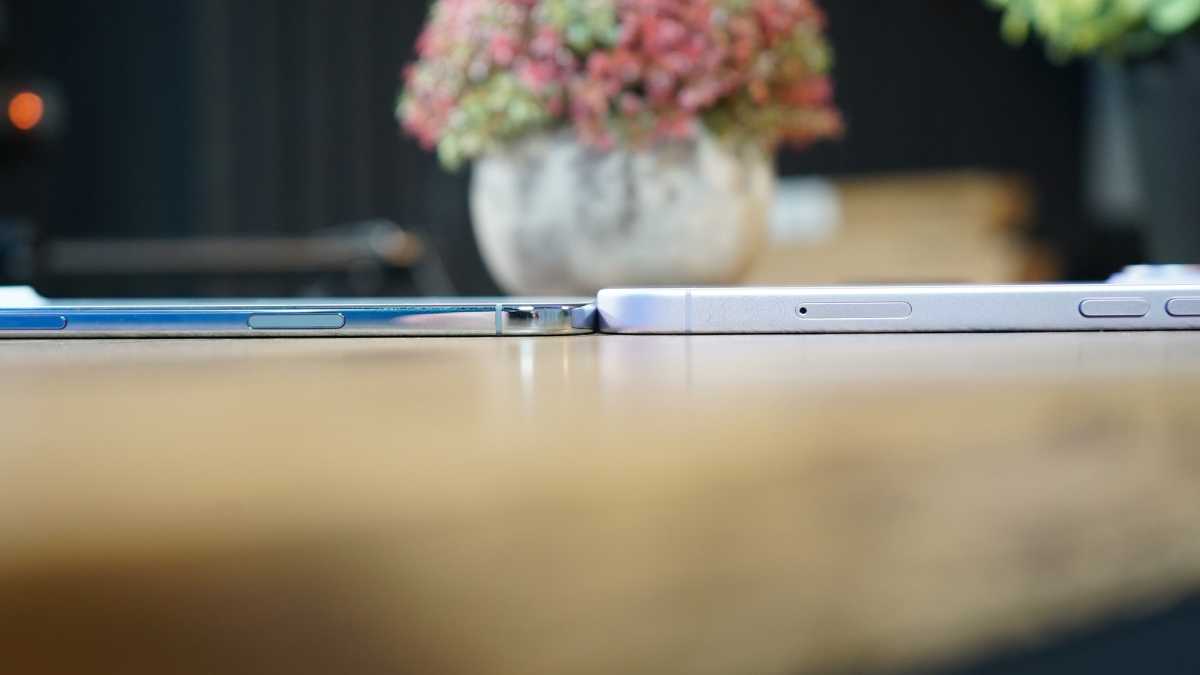
The iPhone Air’s design makes it significantly more expensive than the base iPhone 17.
Eugen Wegmann
Or, if you’re looking for something a bit more affordable, you can get the base iPhone 17 for just $799. For that price, you’re getting a phone with a 120Hz display, two rear cameras, and longer battery life. Plus, the iPhone 17 weighs just 12 grams more than the iPhone Air.
This makes the iPhone Air seem out of place in the lineup. It’s priced similarly to a Pro model, but offers fewer features than the base iPhone.
Giving up certain features is to be expected when you’re buying an entry-level phone like the iPhone 17e, which also has a single rear camera but costs $599 (and still has a larger battery than the iPhone Air). But with the Air, you’re essentially paying more just to get a thinner phone.
When you weigh the price against everything you’ll be missing out on, the iPhone Air becomes hard to justify.
Is there a future for the iPhone Air?
While the iPhone Air represents the future of smartphone design, the future of the iPhone Air itself is now unclear. If the latest reports are accurate, Apple may be rethinking the Air strategy, and it’s easy to see why.
For years, people said they wanted thinner, lighter phones. Apple delivered exactly that. But in doing so, it also exposed an uncomfortable truth: thinness alone isn’t enough anymore.
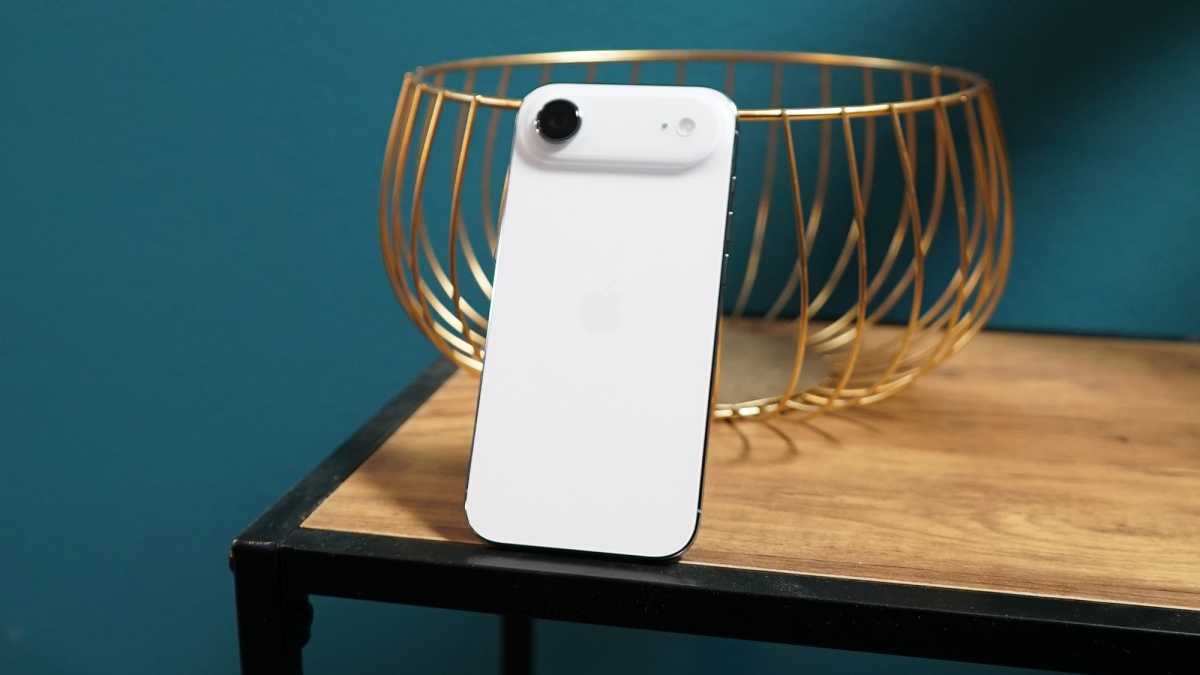
The fate of the iPhone Air is uncertain due to its underwhelming sales.
Eugen Wegmann
Many people now rely on smartphones as more than just communication tools, so compromising on things such as battery life or camera quality is simply out of the question. The iPhone Air asks users to prioritize form over function. And while that sounds appealing in theory, it’s a much harder sell in practice, especially at this price point.
Could Apple fix this in the future? Maybe. More advanced technologies could help Apple fit a larger battery or better cameras into its ultra-thin iPhone, or the company could simply make the Air slightly thicker so that it can pack more technology inside.
The iPhone Air is the dream phone. It’s the kind of device that gets people excited, that reminds us of how far technology has come. But when it comes time to actually spend $999, most people wake up from that dream and choose something more practical.
Related posts:
 iPhone 16 Pro and Pro Max review: Built for Apple Intelligence*
 ‘Fortnite’ could return to the iPhone this week (if Apple doesn’t block it)
 U.S. military contractor likely built iPhone hacking tools used by Russian spies in Ukraine
 Hands-on: Razer Joro is like an Apple Magic Keyboard built for gamers