Summary created by Smart Answers AI
In summary:
- Apple unveiled a new Voice Control feature powered by Apple Intelligence that allows natural voice commands like “tap the orange folder” instead of rigid commands.
- Macworld reports this accessibility enhancement likely previews a revolutionary Siri upgrade expected in iOS 27 with contextual understanding and app control.
- The feature matches Samsung’s Voice Access capabilities and could transform iPhone interaction for all users when officially released.
When people think about Accessibility features on the iPhone, they usually imagine tools designed for a relatively small group of users with specific needs. But every now and then, Apple introduces something that has the potential to change the way everyone interacts with their devices.
That’s exactly what happened last week. As part of its annual Accessibility preview ahead of WWDC, Apple announced a new version of Voice Control powered by Apple Intelligence. In theory, it sounds like a simple upgrade designed to help users control their iPhone using natural voice commands.
But reading between the lines, it feels like Apple just teased one of the biggest features of iOS 27 before the keynote in June. And honestly, this might be one of the most exciting Apple Intelligence features yet.
Apple is finally bringing natural voice commands to iOS
Voice control on the iPhone isn’t new, and I’m not even talking about Siri. iOS already has an Accessibility feature that lets users perform specific tasks using only their voice. However, this feature has always seemed somewhat robotic and only works with very specific commands and phrases.
But what Apple teased is completely different. Instead of relying on strict command structures, Apple says users will be able to interact with their iPhone more conversationally using Apple Intelligence.
You’ll soon be able to interact with things like folders on your iPhone just by asking.
Apple
Instead of having to memorize labels and commands, users will simply be able to say what they actually want to do, and Voice Control will understand. In the example shown by Apple, the user says, “Tap the orange folder,” and then asks the iPhone to open a file on the screen and zoom in on a specific section of the document.
Essentially, Apple is using Apple Intelligence models to understand what’s on the screen in real time and control everything based on voice commands. “This can also help users overcome barriers when elements aren’t properly labeled for accessibility,” the company said in a press release.
Without a doubt, this feature represents a major breakthrough for users with disabilities. But it also hints at something much bigger.
This looks a lot like the rumored new Siri
Back in 2024, when Apple unveiled the features of Apple Intelligence, the company teased a brand-new Siri that would have agentic capabilities. The assistant would be able to control certain aspects of the phone using natural voice commands.
Among the examples Apple showcased back then were commands such as adding an address from a conversation in the Messages app to a contact card or sending the link to the webpage you’re viewing in Safari to someone.
It’s no secret that this feature has yet to see the light of day. But for over a year, reports have suggested that Apple has been working on an upgraded Siri experience for iOS 27. The rumored assistant is expected to understand on-screen context, control apps, and perform actions across the operating system more intelligently.
In other words: less “set a timer” and more “open this file and send it to John.” The accessibility feature Apple teased this week sounds a lot like that, and that’s probably no coincidence.
Apple has a long history of using accessibility features as a testing ground for broader interface changes. Features originally designed for accessibility often end up becoming mainstream features. AssistiveTouch, Live Captions, and even mouse support have eventually expanded beyond their original purpose.
This new Voice Control enhancement feels like the clearest sign yet that Apple’s next-generation Siri architecture is almost ready.
Apple’s upcoming Voice Control features seems similar to Samsung’s Voice Access.
Foundry
Universal control
There’s another reason I’m excited about this feature besides seeing a new version of Siri. More specifically, I’ve already had experience with a very similar feature on another device.
The new version of Voice Control announced by Apple reminded me of something I tested earlier this year on the Galaxy S26 Ultra. Samsung’s Voice Access feature was recently updated with AI models designed to understand natural language, and it’s genuinely impressive.
You can navigate through apps, open menus, scroll through pages, tap specific UI elements, and perform fairly complex tasks entirely with your voice. It’s one of those features that makes you realize how outdated traditional voice assistants suddenly feel.
It’s not something I use all the time, but it’s pretty handy when my hands are full, and I need to do something on my phone, like open a chat and send someone a voice message. After using it for a while, going back to Siri felt more constricted than ever.
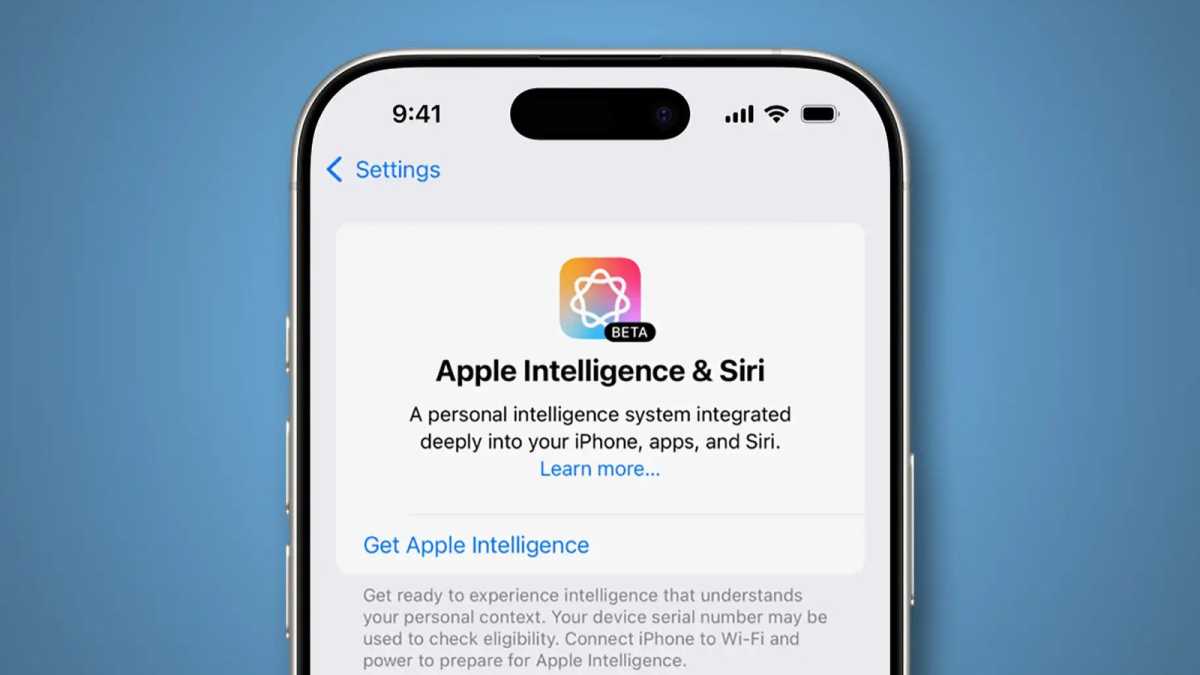
Apple Intelligence and Siri are expected to be the focus of the upcoming iOS 27 update.
Apple
The potential of Apple Intelligence
One of the main criticisms of Apple Intelligence so far is how limited it feels. Notification Summaries can be useful, Writing Tools are occasionally convenient, and Genmoji is fun for a few minutes. But none of them really change the way you use your iPhone.
Having an AI assistant that can understand exactly what you need, even when you don’t use specific commands, is a game-changer. It’s the kind of feature that has the potential to make our lives much easier.
Most people probably won’t spend the whole day talking to their phone, but it’s nice to know the feature is there for when you need a little help opening or finding something.
Unsurprisingly, Apple isn’t making a big deal out of it, probably because it’s saving the best for next month’s WWDC keynote. But I’m already excited to finally see the first signs of a truly AI-powered Siri.


