There’s a brand new platform for Windows-powered laptops arriving soon, with a familiar name and some shockingly high prices. If you’ve been following the high-end hardware news in 2026… then I’m sorry. But possibly the most exciting thing to land in some time is Nvidia’s Spark RTX, an Arm-based chip that’s now going into consumer laptops, headlined by the Surface Laptop Ultra.
“Consumer” gets a bit of an asterisk there. While these Arm-based laptops are at least somewhat similar to Qualcomm-powered Snapdragon models we’ve seen for the last few years, there’s nothing spare or affordable about them. With chips custom-tuned for “AI” at every level, tons of speedy, expensive integrated RAM, and an integrated GPU that matches an RTX 5070 (at least on paper), Nvidia and its partners want these laptops to hit at the high end.
They certainly land at high-end prices. RTX Spark laptops start at $2,600 USD, and only get more expensive. Microsoft’s flagship Surface Laptop Ultra is a cool three grand at the recommended configuration. Pre-orders are available now, and shipments should be arriving next week. Here’s an at-a-glance look at all the RTX Spark laptops announced so far:
Microsoft Surface Laptop Ultra — $2,600 to $5,900
Mark Hachman / Foundry
- CPU: 20-core or 18-core
- GPU: Blackwell 6244-core or 5120-core
- Screen: 15-inch 3270×2180 touchscreen
- RAM: 24GB, 32GB, 48GB, 64GB, or 128GB
- Storage: 512GB gen5, 1TB Gen5, or 2TB gen5
- Ports: 3 USB-C (USB 4 spec), one USB-A, SD card reader, HDMI, hedaphone jack
- Battery: “Up to 15 hours of local playback”, 92 watt-hour
- Weight: 4.41 pounds (2 kilograms)
Microsoft’s Surface Laptop Ultra is the flagship of this push, ranging from an at least believable $2,600 all the way to an insane $5,900, if you load it up with the maximum RAM and storage. The magnetic USB-C charger is neat.
Asus ProArt P14 — $2,600 to $6,500
Asus
- CPU: 20-core or 18-core
- GPU: Blackwell 6244-core or 5120-core
- Screen: 14-inch 2880×1800 OLED touchscreen
- RAM: 24GB, 32GB, 48GB or 128GB
- Storage: 512GB Gen4 or 1TB Gen4
- Ports: 3 USB-C (USB 4 spec), one USB-A, HDMI, SD card, headphone jack
- Battery: 90 watt-hour
- Weight: 3.26 pounds (1.48 kilograms)
Asus offers a slightly smaller take with the ProArt P14, sharing the same moniker as its well-regarded “creator” series.
Asus ProArt P16 — $2,800 to $7,000
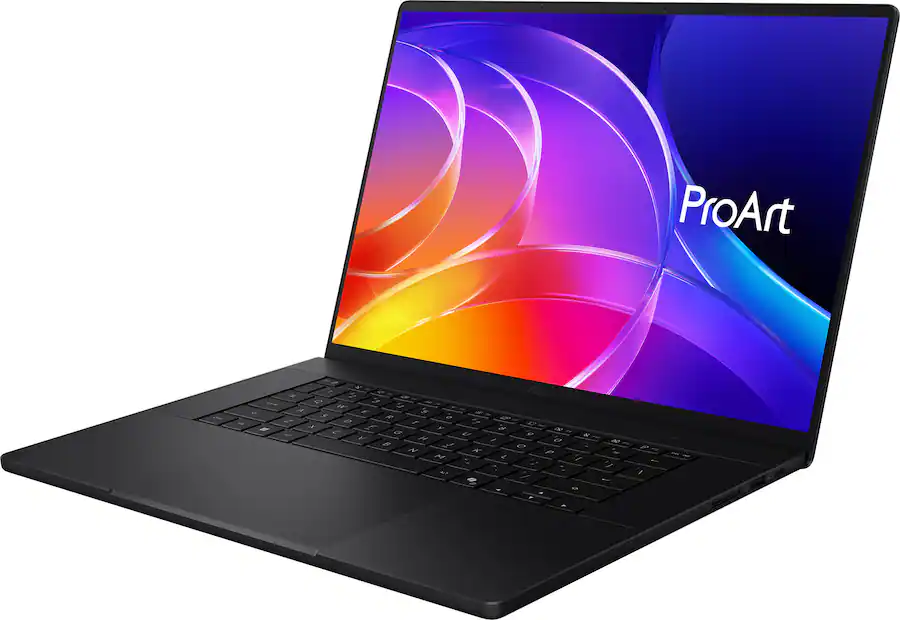
Asus
- CPU: 20-core or 18-core
- GPU: Blackwell 6244-core or 5120-core
- Screen: 16-inch 3840×2400 OLED touchscreen
- RAM: 24GB, 32GB, 64GB or 128GB
- Storage: 512GB Gen4, 1TB Gen4, or 2TB Gen4
- Ports: 3 USB-C (USB 4 spec), one USB-A, HDMI, SD card, headphone jack
- Battery: 99.9 watt-hour
- Weight: 3.9 pounds (1.77 kilograms)
This bigger variant from Asus packs a 4K screen and an even bigger battery, impressively still sliding under the four-pound mark. But c’mon, Asus, for seven thousand dollars you couldn’t toss in a Gen5 SSD?
Dell XPS 16 Creator Edition — $3,800 to ???
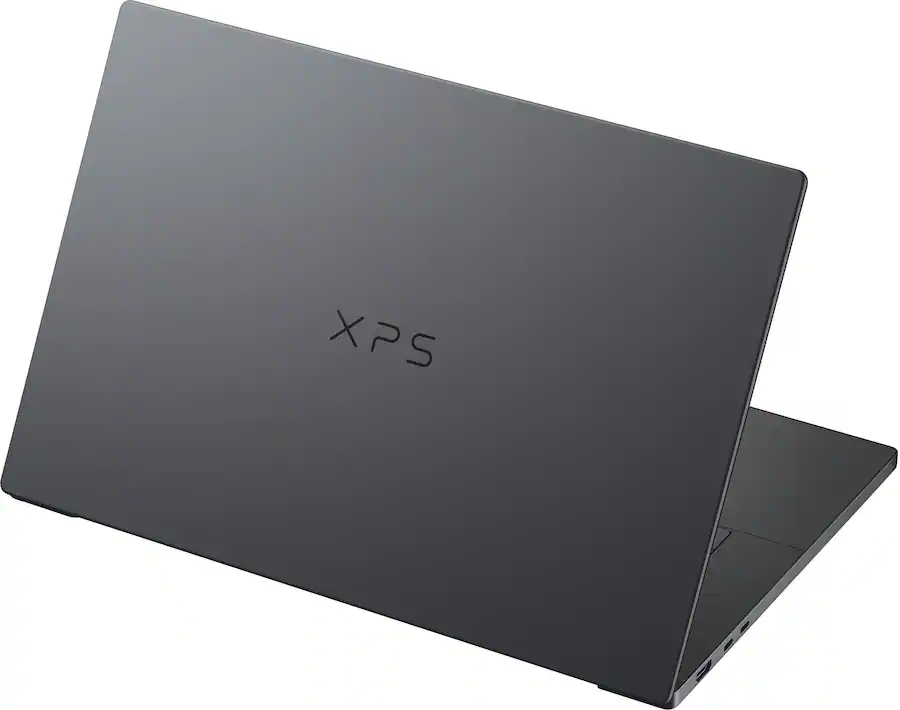
Dell
- CPU: 20-core or 18-core
- GPU: Blackwell 6244-core or 5120-core
- Screen: 16-inch 3200×2000 OLED touchscreen
- RAM: 32GB, up to 128GB
- Storage: 512GB or 1TB
- Ports: 3 USB-C (USB 4 spec), HDMI, SD card, headphone jack
- Battery: “Pending”
- Weight: 4.45 pounds (2.02 kilograms)
Dell doesn’t seem ready to launch its highest-end XPS laptop, with a lot of specs still missing and/or inconsistent with retail listings. The cheapest configuration features 32GB of RAM, but there will be a 128GB version, presumably at a much higher price than is listed in pre-orders. It’s also considerably thicker and heavier than the Intel-based XPS 16.
HP OminBook Ultra 16 — $3,200 to (at least) $5,000
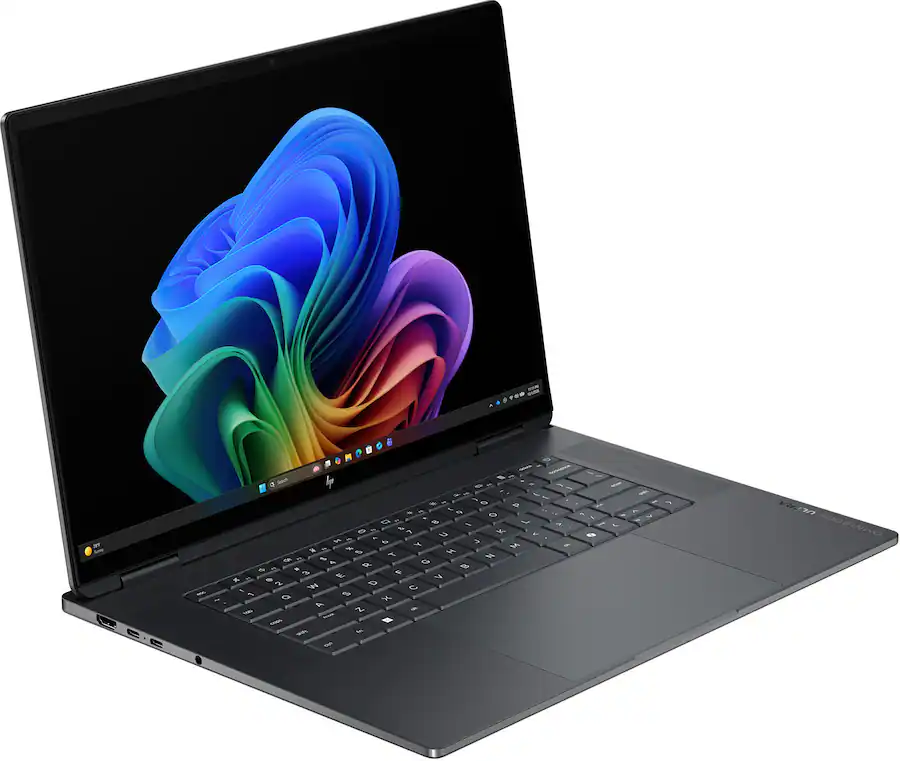
HP
- CPU: 20-core
- GPU: Blackwell 6244-core
- Screen: 16-inch 2880×1800 OLED touchscreen
- RAM: 32GB or 64GB
- Storage: 1TB Gen5 SSD or 2TB Gen5 SSD
- Ports: 2 USB-C (USB 4 spec), 2 USB-A, HDMI, headphone jack
- Battery: 99.9 watt-hour
- Weight: 4.89 pounds (2.22 kilograms)
HP’s top-of-the-line OmniBook looks like an affordable and practical choice, at least in this crazy lineup. It defaults to the more beefed-up 20-core Spark chip with the faster GPU, and springs for Gen 5 SSDs. You also get two USB-A ports for older gadgets.
A smaller HP RTX Spark laptop, the OmniBook X 14, has been announced. It doesn’t appear to be ready for the October launch.
Lenovo Yoga 9n — $3,000 to $4,500
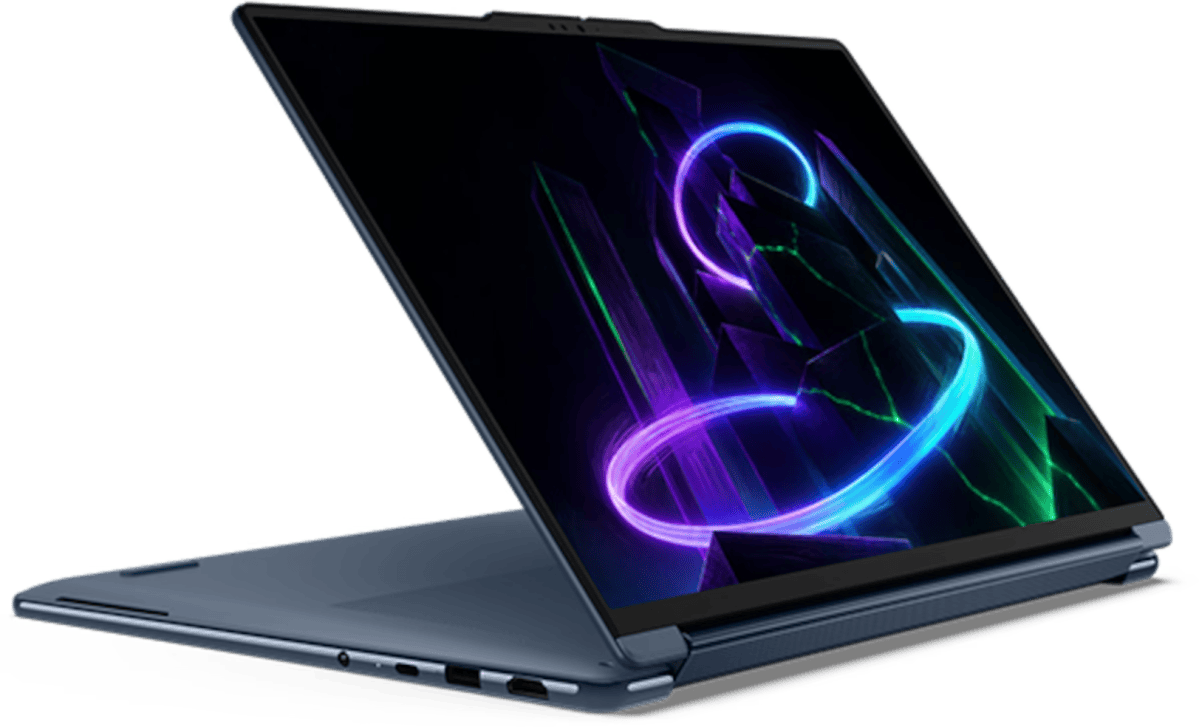
Lenovo
- CPU: 20-core or 18-core
- GPU: Blackwell 6244-core or 5120-core
- Screen: 16-inch 2880×1800 OLED touchscreen, reversible
- RAM: 32GB or 64GB
- Storage: 512GB gen4 or 1TB gen4 SSD
- Ports: 2 USB-C (USB 4 spec), 2 USB-A, HDMI, SD card, headphone jack
- Battery: 99.9 watt-hour
- Weight: 4.28 pounds (1.94 kilograms)
Lenovo offers one of the only choices for a convertible laptop in the initial RTX Spark lineup, which makes sense, as its top-of-the-line Yoga series sells itself on flexibility. It also comes with a stylus in the box. But where are the ThinkPads and Legion laptops with this hardware?
All of these models are available for pre-order now, though they’re scattered across manufacturers and retailers. (MSI has also announced a Prestige N16 with a convertible screen, but I haven’t been able to find a pre-order page for it.) In the U.S., Best Buy seems to have the best selection of pre-orders. Pre-orders should arrive on October 16th, or slightly later, depending on the usual factors.


