Summary created by Smart Answers AI
In summary:
- Macworld reports that macOS 27 will debut at WWDC26 in June 2026, focusing on stability improvements and AI enhancements rather than major new features.
- The update will end Intel Mac support, requiring M1 processors or later, and introduce touch-optimized interface elements for an expected touchscreen MacBook Pro.
- Key features include a redesigned Siri powered by Google Gemini, refined Liquid Glass UI addressing transparency issues, and new Apple Intelligence capabilities for photo and text editing.
With WWDC just weeks away, the rumors about macOS 27 are starting to fly. On June 8, Apple will officially reveal the follow-up to macOS 27 Tahoe, followed by a months-long beta cycle, and the official release of the new operating system in the fall.
As for what to expect, since the development is all in-house at Apple, leaks aren’t as prevalent as hardware, so a lot of the features are seen for the first time at the WWDC keynote. However, we’ve heard about big changes to how Siri is implemented, along with tweaks to the Liquid Glass UI that was released with macOS Tahoe.
We can also draw some conclusions based on Apple’s hardware plans. For example, Apple is rumored to release its first touchscreen MacBook Pro during the macOS 27 cycle, so it’s possible that macOS 27 could bring major interface changes related to the new machine. Leading up to WWDC, stay tuned to this page as we track all the latest macOS 27 rumors.
What’s coming in macOS 27: At a Glance
- Liquid Glass UI refinements
- Touchscreen features
- New Apple Intelligence features
- New chatbot-style Siri based on Gemini technology
- M-series Mac support only
- Security updates and bug fixes
macOS 27 release date: When will macOS 27 be available?
- First developer beta: June 8, 2026
- First public beta: July 2026
- Final version: September 2026
Apple will debut macOS 27 at WWDC26. Apple’s Keynote presentation will be on June 8, 2026, and it will highlight the key features. Apple also holds a “Platforms State of the Union” session that goes into greater detail on the features and how they are implemented, but the session is for developers, so it’s quite technical.
Apple will release a developer beta at WWDC, followed by a public beta in July. The beta cycle includes several iterations as Apple refines the software. Here’s how you can participate in the beta program.
Apple is usually ready to release the official version of macOS in the fall. In recent years, Apple has released macOS at the same time as iOS. The iOS release has been happening during the second week of September, so Monday, September 14, is our guess as to when macOS 27 becomes available to everyone.
However, Apple has occasionally released macOS at a different time than iOS, delaying it for a few weeks. Here is a history of release dates for macOS:
- macOS 26 Tahoe: September 15, 2025
- macOS 15 Sequoia: September 16, 2024
- macOS 14 Sonoma: September 26, 2023
- macOS 13 Ventura: October 25, 2022
- macOS 12 Monterey: October 25, 2021
- macOS 11 Big Sur: November 19, 2020
- macOS 10.15 Catalina: October 7, 2019
- macOS 10.14 Mojave: September 24, 2018
- macOS 10.13 High Sierra: September 25, 2017
- macOS 10.12 Sierra: September 20, 2016
macOS 27 compatibility: Which Macs will get macOS 27?
- macOS 27 ends support for Intel Macs
With the release of macOS 26 Tahoe last year, Apple announced that it would be the last version that supports Macs with Intel processors. That means when macOS 27 is released, you’ll need a Mac with an M1 processor or later to install it.
The MacBook Neo and other Macs in Apple’s current lineup will all be compatible with macOS 27.
Foundry
Only M-series Macs will be able to run macOS 27. The list of supported Macs is expected to look like this:
- MacBook Neo (A18 Pro/2026 and later)
- MacBook Air (M1/2020 and later)
- MacBook Pro (M1/2020 and later)
- iMac (M1/2021 and later)
- Mac mini (M1/2020 and later)
- Mac Studio (M1/2022 and later)
- Mac Pro (M2/2023 and later)
Users should also take note that macOS 27 will be released about six years after the first M1 Macs were released in November 2020. Apple’s macOS support cycle usually runs about seven years; after that, Apple starts the deprecation process that eventually leads to the end of support for the device. Apple has not stated if macOS 27 will be the last or next-to-last version of macOS that M1 Macs can support, but it’s possible that the first Apple silicon Macs could get cut off next year.
macOS 27 performance: Stability improvements
macOS and the rest of the OS 26 releases last year introduced some of the biggest changes that Apple has made to its operating systems in recent history. Since it was such a big release, it follows that the xOS 27 releases this June won’t include a ton of feature changes.
According to Bloomberg’s Mark Gurman, Apple “is focused on improving the software’s quality and underlying performance… Engineering teams are now combing through Apple’s operating systems, hunting for bloat to cut, bugs to eliminate, and any opportunity to meaningfully boost performance and overall quality.”
In this case, Apple seems to be taking a cue from its release of Mac OS X Snow Leopard in 2009, which focused on stability and performance following 2007’s Mac OS X Leopard.
macOS 27 Apple Intelligence: Will Siri finally get an upgrade?
- Siri app
- Chatbot upgrades
- Google Gemini foundational model
The main spotlight at WWDC26 is expected to revolve around upgrades to Siri. Along with the original Apple Intelligence-based features we haven’t gotten yet, namely contextual awareness and app intents, reports have said that Apple plans a further “AI reboot” of Siri, which includes a new interface, a chatbot, a standalone app, and the technical implementation of Google Gemini as the foundational model. Details are somewhat light, but expect a major overhaul of Apple’s digital assistant. Learn more about the new Siri features.
However, the reports we’ve read about the new Siri almost always reference it as part of iOS 27, as Siri is primarily marketed as an iPhone feature. That doesn’t mean it won’t be a major component of macOS 27—it certainly will be—but the reports here reference iOS 27 rather than macOS 27.
Foundry
It’s in Apple’s best interest–given that Siri is already delayed–to update Siri on macOS 27 with the same features as iOS 27. That hasn’t always happened—for example, in 2019, Apple finally updated Siri in Mac OS 10.15 so that it can set alarms and timers, something Siri on iPhone has done from its start in 2011—but in recent years, Siri has received feature parity across iPhones, iPads, and Macs.
Along with the new Siri, reports claim that iOS 27 will have a lot of new Apple Intelligence features, and while many of those features are iPhone specific, there are several that are likely to make their way into macOS 27. Some Apple Intelligence features that could be in macOS 27 include:
macOS 27 UI: Liquid Glass tweaks and touchscreen elements
- Liquid Glass refinements
- Touchscreen MacBook Pro preparation
- Dynamic Island
With macOS 26, Apple introduced a major revamp of the macOS interface, based on Liquid Glass. It’s not going anywhere, but Apple will use macOS 27 to make refinements. Gurman reported that macOS 27 will address “transparency quirks” and other design issues. The changes will “make Liquid Glass look the way Apple’s design team intended it to from the start,” according to the report.
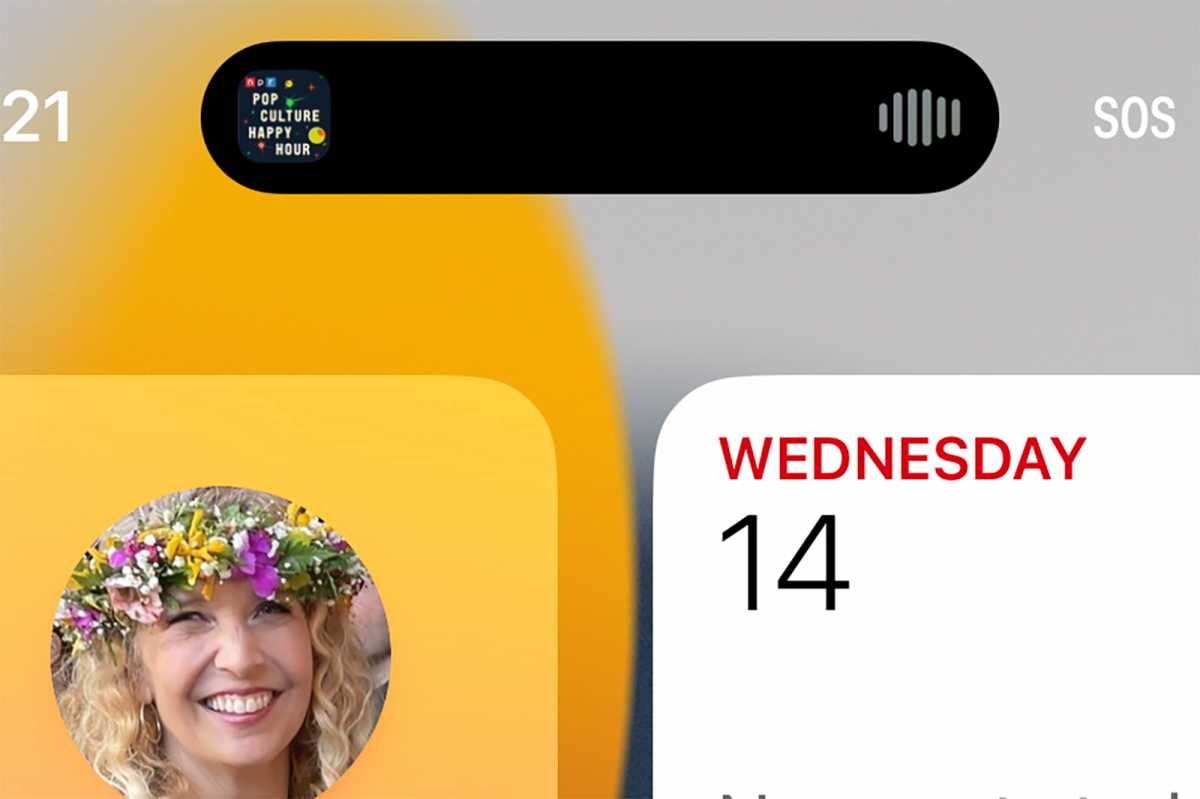
Dynamic Island on the Mac will more closely mirror that on the iPhone.
Foundry
Additionally, Apple is expected to release a touchscreen MacBook Pro sometime during the macOS 27 cycle, which will include UI elements for touch. Gurman said in a report that macOS 27 will offer a “refreshed, dynamic user interface that can shift between being optimized for touch or point-and-click input.” A new menu will appear with touch controls when the user touches the screen, and menu items will expand to make touching them easier. Gurman also said that these new laptops will have a Dynamic Island similar to the one on the iPhone. It will not have Face ID, however.
It’s unclear whether macOS 27 will feature visible interface changes to accommodate the new touchscreen MacBook or if the interface will contain hidden elements that adjust for touch input.
macOS 27 name: Which California landmark will macOS 27 get?
With macOS, Apple gives it a name that refers to an association in California. It’s a tradition that started in 2013 with OS X 10.9 Mavericks (referring to the surf break in the Half Moon Bay area). Here is a list of the names since then:
- 10.9 Mavericks
- 10.10 Yosemite
- 10.11 El Capitan
- macOS 10.12 Sierra
- macOS 10.13 High Sierra
- macOS 10.14 Mojave
- macOS 10.15 Catalina
- macOS 11 Big Sur
- macOS 12 Monterey
- macOS 13 Ventura
- macOS 14 Sonoma
- macOS 15 Sequoia
- macOS 26 Tahoe
Three years ago, a list of names that Apple had trademarked was posted to X. Here is that list of (then) trademarked named that have not yet been used:
- Condor
- Diablo
- Farallon
- Grizzly
- Mammoth
- Miramar
- Pacific
- Redwood
- Redtail
- Rincon
- Shasta
- Skyline
- Tiburon
It’s not clear if the trademark has expired on any of these names. However, it’s worth noting that the name “Big Sur” had expired before Apple decided to use it for macOS 11.


