Nvidia has a monopoly on consumer graphics cards. That’s not hyperbole, that is the full, technical truth — AMD has lost ground steadily for years, and Intel’s GPU ambitions seem to be stalled if not abandoned. But Nvidia is in a lot of potential trouble, with its 30-year veteran CEO out amid international intrigue. The company isn’t going anywhere, but it’s certainly not focused on gaming right now.
As a PC gamer, I’m itching to see AMD reverse years of losses in the GPU sector, especially while it seems like no one else is interested in innovating for hardware. Is now the time for AMD to push back? Let’s examine the situation.
Does AMD even care about graphics cards anymore?
Recently CEO Dr. Lisa Su said that AMD is a “data center first company.” For context, while Nvidia is the clear and massive leader in supplying hardware to “AI” data centers, AMD is doing just fine out of the bubble, too. In the most recent quarterly report, the company claimed $13.4 billion in revenue with a 54 percent profit margin. Data center income accounts for over $8.5 billion, with just $770 million coming from the “Gaming” segment (another $2.95 billion from “Client,” i.e. providing CPUs for standard laptops, desktops, etc.).
So even if AMD is well-known as a graphics card designer, and is rapidly gaining ground on Intel for high-performance gaming CPUs with its X3D series, its actual revenue from gaming-focused hardware is a pretty small piece of the pie. That mirrors Nvidia and Intel’s progress since the AI bubble began inflating. What are the odds that AMD will simply abandon the gaming market?
Jon Martindale / Foundry
Not high, as it turns out. I asked for comment from industry analysts, wondering if AMD has a reason to care about gaming in the age of AI. Patrick Moorhead of Moor Insights & Strategy said, “Yes, but for different reasons than ten years ago. Data center is where the money is now. …Gaming is down to about 6 percent of its revenue, but it isn’t a business AMD can drop.” He points out that AMD provides the core tech for both the Xbox and PlayStation, similar APUs to AMD-powered laptops and handhelds.
“Radeon keeps AMD’s graphics architecture and driver teams sharp, and the enthusiast base it builds is where many developers first try ROCm, on a local GPU,” says Moorhead. “Being data center first doesn’t mean data center only.”
IDG
Jon Peddie of Jon Peddie Research agrees. “AMD very much cares about the gaming market, especially consoles. GPU development has a symbiotic relationship with gaming and AI, and the combined production reduces COGS and improves margins.”
So we can assume that AMD won’t be dropping its long-standing investment in the consumer gaming space, for PC or consoles. But even considering its dominance in the console space and meteoric advancements for gaming-tuned CPUs and APUs like those in the Steam Deck, AMD is well behind Nvidia when it comes to discrete graphics card tech and market share.
Should AMD double down on gaming while Nvidia is distracted?
Nvidia chose Colette Kress as its interim CEO, a very different leader from co-founder Jensen Huang. Kress is the current chief financial officer with over a decade at the company, and finance positions at big tech names before that. She doesn’t have the long-standing reputation of a gaming enthusiast that Huang did. That very deliberate choice indicates, at least to me, that Nvidia is looking to strengthen the most profitable part of its current business: data centers.
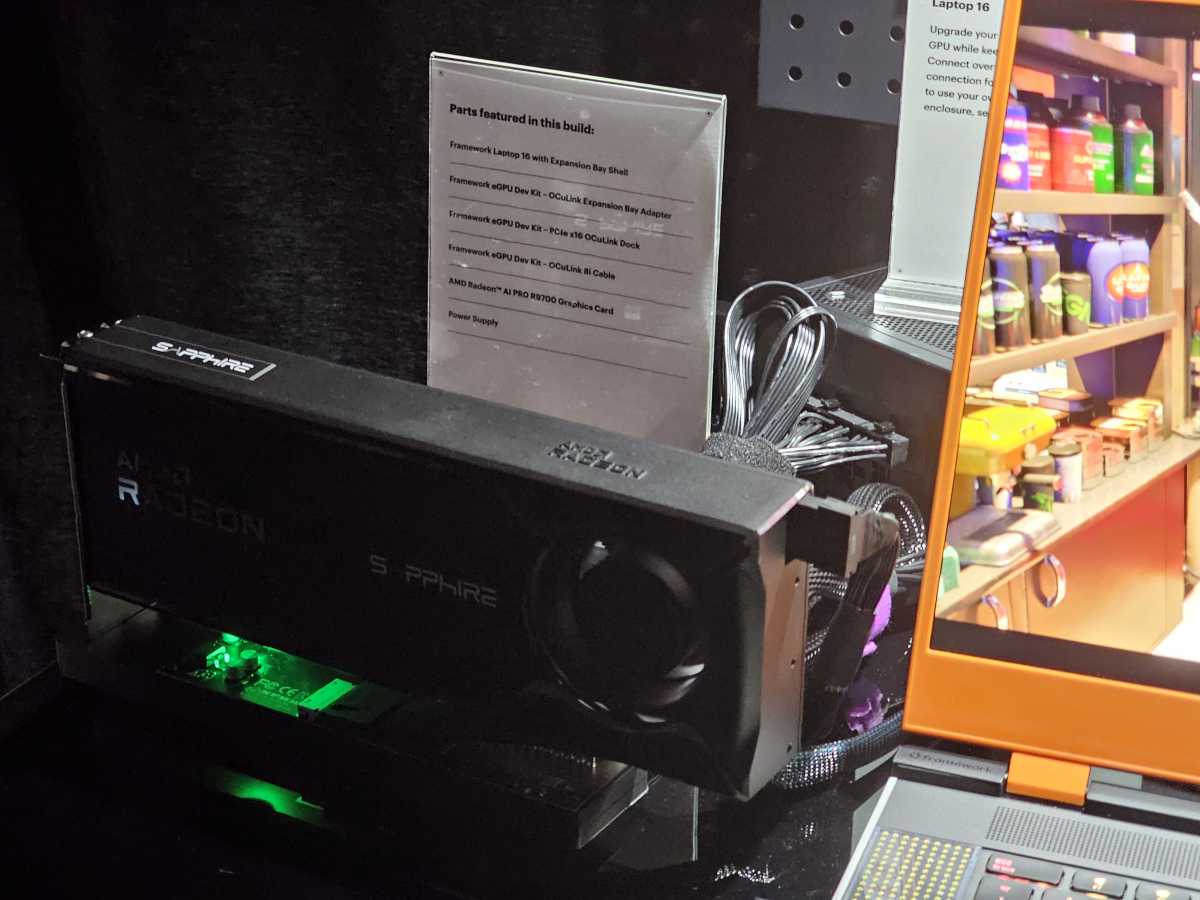
Mark Hachman / Foundry
So from the perspective of an outside observer, there’s never been a better time for AMD to go on the offensive in the gaming sector. Assuming that Nvidia isn’t focused on gaming in the short term, the opportunity for AMD to gain market share for graphics cards is ripe, right? AMD would need to reserve at least some capacity for consumer-focused gaming, which might mean making less than the maximum profit from data centers.
But wouldn’t that be worth it to expand into a less volatile part of the market, and one in which AMD has decades of experience and, at least to some degree, trust?
“AMD should push,” said Moorhead, “but it shouldn’t expect a sudden opening. I expect Nvidia to stay sold out [of GPU production capacity] for roughly the next 18 months, and its roadmap is locked in. Customers can’t move 20% to 30% of their accelerator spend to AMD in a year. …What the leadership change does is make buyers more serious about a second source, and AMD is the most credible one for merchant GPUs. So the window isn’t this quarter’s orders. It’s the design decisions customers make over the next 12 to 18 months.”
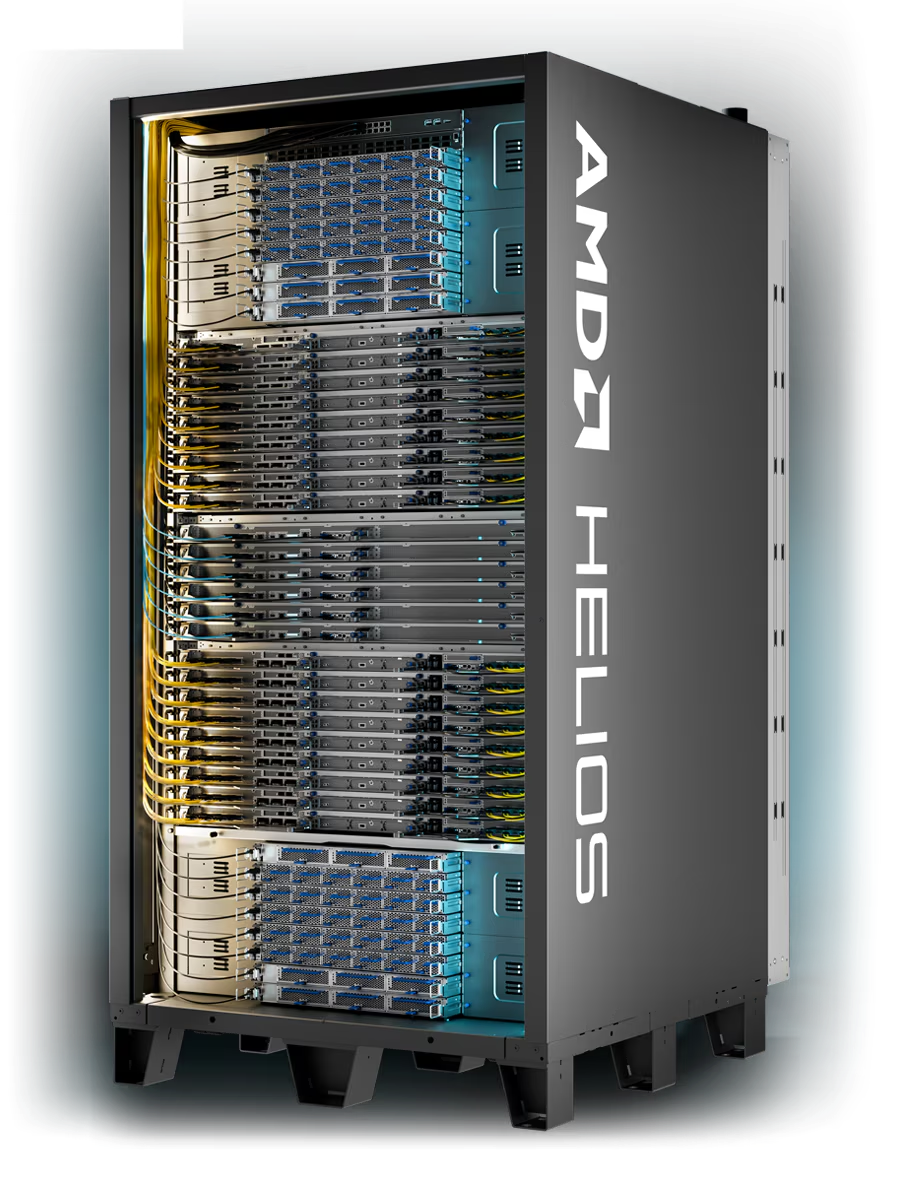
AMD
As is almost always the case with the chip market, changes are slow and effects won’t be seen immediately. Moorhead says AMD should focus on ramping up Helios, its next-gen data center architecture currently shipping to partners, not necessarily making big changes to its consumer-focused portfolio. “I don’t see the CEO change opening anything up. Gamers buy on performance per dollar, not on who runs the company.”
Peddie doesn’t see the CEO situation changing AMD’s plans much, either. “There’s not much AMD (or Intel or anyone else) could do to exploit the situation (other than undermining comments). This is not a football game where one side drops the ball and the other team makes a heroic touchdown.”
Business as usual
While I personally think the opportunity for AMD to make big gains in consumer-focused gaming is there, I also doubt the company’s willingness to make those moves. Even if AMD diverted some of its current capacity towards the high-performance sector of the consumer market, there’s no guarantee that it could successfully make gains against Nvidia, even a highly volatile Nvidia. Team Green’s dominance is just that overwhelming, even after a year of soaring prices. And investing in AI and data centers, much as it pains me to admit, is the smarter short-term move.
I don’t hate Nvidia — the PC I’m typing on right now has an RTX 5070 Ti — but I do resent its dominance and complacency in the GPU market. I’ve been hoping for a competitor to step up and break us out of a monopoly for years. Those hopes were dashed when Intel’s discrete GPUs had trouble out of the gate, and now seem to be strangled by the same memory supply issues affecting everything else.
As much as I’d love to see AMD strike while the iron is hot, I’m forced to admit that it probably isn’t hot enough. Jensen Huang built Nvidia on gamers. AI made them an afterthought — and those same economic considerations are fully in effect for Radeon as well. What a shame.


