Summary created by Smart Answers AI
In summary:
- Macworld explores refurbished Macs as cost-effective alternatives, offering around 15% savings with Apple’s rigorous testing and one-year warranty.
- Refurbished units from Apple undergo professional inspection and repairs, making them reliable, while third-party standards vary significantly.
- Key considerations include limited availability, older Intel models losing software support, and better value from new Mac discounts.
We love Macs, but they aren’t cheap. Even with the arrival of lower-cost options like the MacBook Neo, buying a new Mac that meets your requirements can be expensive. Luckily there are cost-effective options, if you don’t mind buying a used Mac.
Not all used Macs are equal though. If budget is tight you might be tempted by a bargain on eBay, Facebook Marketplace, or similar platforms. The price might look attractive, but buying a used Mac can introduce risks around security, longevity, and hardware reliability.
Luckily there is a safe way to get a used Mac for less. You can buy a Mac that has been refurbished.
In this article we’ll discuss what a refurbished Mac is, how to know whether it’s safe to buy a refurbished Mac, what protections you have if you buy a refurbished Mac, how much money you can save, and how old is too old when choosing a refurbished Mac.
| Buy refurbished if you… | Don’t buy refurbished if you… | |
|---|---|---|
| Have a limited budget | Are a power user needing cutting-edge performance | |
| Are a student or casual user | Want the latest specs | |
| Are upgrading from a very old Mac | Need maximum reliability | |
| Are a first-time Mac buyer looking to try macOS at the lowest cost | Needs a custom configuration | |
| Want to be eco-conscious | Plan to keep the Mac for many years |
What is a refurbished Mac (and how is it different from used)?
Unlike used or second-hand items, which are often sold as-is without testing, refurbished products are pre-owned items that have been professionally inspected, tested, and, if necessary, repaired and restored to full working condition.
In the case of Macs, the refurbisher ensures the Mac or MacBook functions as intended – sometimes replacing parts or carrying out repairs – before it is resold.
Because of this process, you can expect refurbished Macs to work properly, and they should come with a returns policy in case any issues arise.
What do you actually gain by buying a refurbished Mac?
Buying a refurbished Mac is a practical way to acquire a high-quality computer at a significantly lower price point than a brand-new model.
The key advantages to buying a refurbished Mac, over a secondhand, used Mac, are:
- Rigorous Testing: Official refurbished units undergo a stringent process that includes full functional testing, thorough cleaning, and inspection to meet the same standards as new products.
- Warranty and Support: Many refurbishers, including Apple, will sell refurbished Macs with a one-year limited warranty, up to 90 days of technical support, and (in the case of Apple) eligibility for AppleCare.
- Like-New Condition: Devices are visually indistinguishable from new models and come repackaged in a brand-new box with all original accessories and cables.
- Reliability: Unlike buying a standard secondhand or used Mac from a private seller, a certified refurbished machine is guaranteed to be in full working order, with any previous faults rectified by professional engineers.
Apple
Why buy a refurbished Mac from Apple
Apple
Apple’s Refurbished Store is a section of its website where you can buy refurbished Macs and MacBooks, along with other products like iPhones, iPads, Apple Watches, HomePods, and Apple TV.
Buying a refurbished Mac from Apple’s Certified Refurbished Store is a smart way to save money while still getting a device that’s virtually indistinguishable from a brand-new model. Here are some of the reasons why you should shop at Apple’s Certified Refurbished store:
- Stringent checks: Unlike buying second-hand from a private seller, Apple puts every device through a rigorous refurbishment process. This includes full functional testing, thorough cleaning, and detailed inspection to ensure it meets the same performance standards as new products. Apple states that every Certified Refurbished product undergoes comprehensive testing to meet the same functional standards as new devices, meaning it should feel “like new.”
- Recent and current models: The Macs available may be from a previous year or part of the current lineup.
- Fault free returns: They could be ex-demonstration units, or devices returned by customers within Apple’s standard 14-day return window. In some cases, a Mac may have been returned due to a fault—but any issues are fixed by Apple engineers before resale.
According to Apple, each Mac:
- Will be thoroughly cleaned and inspected
- Includes Apple’s standard one-year limited warranty
- Includes up to 90 days of complimentary technical support
- Comes with all accessories, cables, and operating systems
- Is packaged in a brand-new white box
- Is dispatched with free shipping and returns
- Can be purchased via financing options
- And can be delivered next day
The key point is that Macs from Apple’s Refurbished Store are not noticeably different from new ones – they’re tested, certified, and restored to a like-new condition.
Other places to buy refurbished Macs
Apple isn’t the only place that sells refurbished Macs – we recommend some alternative Mac refurbishers in this article: Best place to buy a refurbished MacBook or Mac.
We’d advise that you are a little more cautious if it isn’t Apple selling the refurbished Mac, and we recommend that you don’t buy a very old Mac, even if it has been refurbished.
These Apple Resellers and Refurbishment specialists who will also sell you a secondhand Mac that has been thoroughly checked over:
In the U.S.:
In the U.K.:
8 reasons to buy a refurbished Mac
Here are eight reasons why choosing a refurbished model could be a good option:
- Refurbished Macs are as good as new – Buying from Apple’s Refurbished Store isn’t the same as typical secondhand. Any faults are identified and fixed by Apple, so these Macs should be just as reliable as new ones bought from an Apple Authorized Reseller or Apple’s online store.
- They’re nearly new – Most have only been briefly used, often returned within 14 days or used as display models. They’re unlikely to have seen heavy or intensive use.
- They pass rigorous checks – Every refurbished Mac undergoes full functional testing, genuine Apple part replacement if needed, and a thorough clean—often with more checks than brand-new models.
- Save on current models – You can buy current-generation Macs for less than their brand-new price by shopping in Apple’s Refurbished Store.
- You can get more for your money – Refurbished options let you choose higher-spec or more powerful models (like Pro chips) for the same budget as entry-level new devices.
- Greater choice of models – Unlike standard retail stores, the Refurbished Store offers Macs from recent months or years, giving you more variety at lower prices.
- Warranty and support included – You get a one-year warranty, 90 days of tech support, and the option to extend coverage with AppleCare for extra peace of mind.
- Extra buying benefits – Free delivery and returns, financing options, trade in credit, fast shipping or store pickup, and the reassurance of buying directly from Apple without dealing with previous owners.
8 reasons not to buy a refurbished Mac
As you can see there are plenty of good reasons to buy a refurbished Mac. Are there any disadvantages?
While refurbished Macs offer significant savings, there are several drawbacks to consider, ranging from limited availability to potential hardware obsolescence. Here are some of the disadvantages to look out for:
- Older models – Buying refurbished often means you won’t get the very latest technology. While current-generation Macs do appear on Apple’s Refurbished Store, they usually show up a few months after launch.
- Limited availability – You may not find the exact model, specs, or color you want. Stock depends on returns and trade-ins, so availability is unpredictable and can change quickly.
- Inconsistent stock – What’s available one day might be gone the next. You may need to check back regularly, and even then, there’s no guarantee your preferred configuration will appear.
- Varying refurbishment standards – Apple has strict testing processes, but third-party sellers may not. Buying outside Apple can mean fewer checks or older machines that aren’t great value.
- Discounts aren’t always best – Refurbished prices from Apple aren’t always the lowest available. However, cheaper deals elsewhere can come with added risk.
- The Intel trap – Many refurbished Macs, especially from marketplaces like Amazon, use older Intel processors. These lack Apple Silicon performance and will lose software support sooner.
- New models may offer better value – When Apple updates a Mac, it often improves specs like storage or RAM. A refurbished older model might offer significantly less for a similar price.
- New Macs can also be discounted – Retailers sometimes offer deals on new or recently discontinued Macs, so it’s worth comparing refurbished prices with new offers before buying. Have a look at our frequently updated best Mac deals picks for MacBook Air, MacBook Pro, iMac and Mac mini.
Where do refurbished Macs come from?
IDG
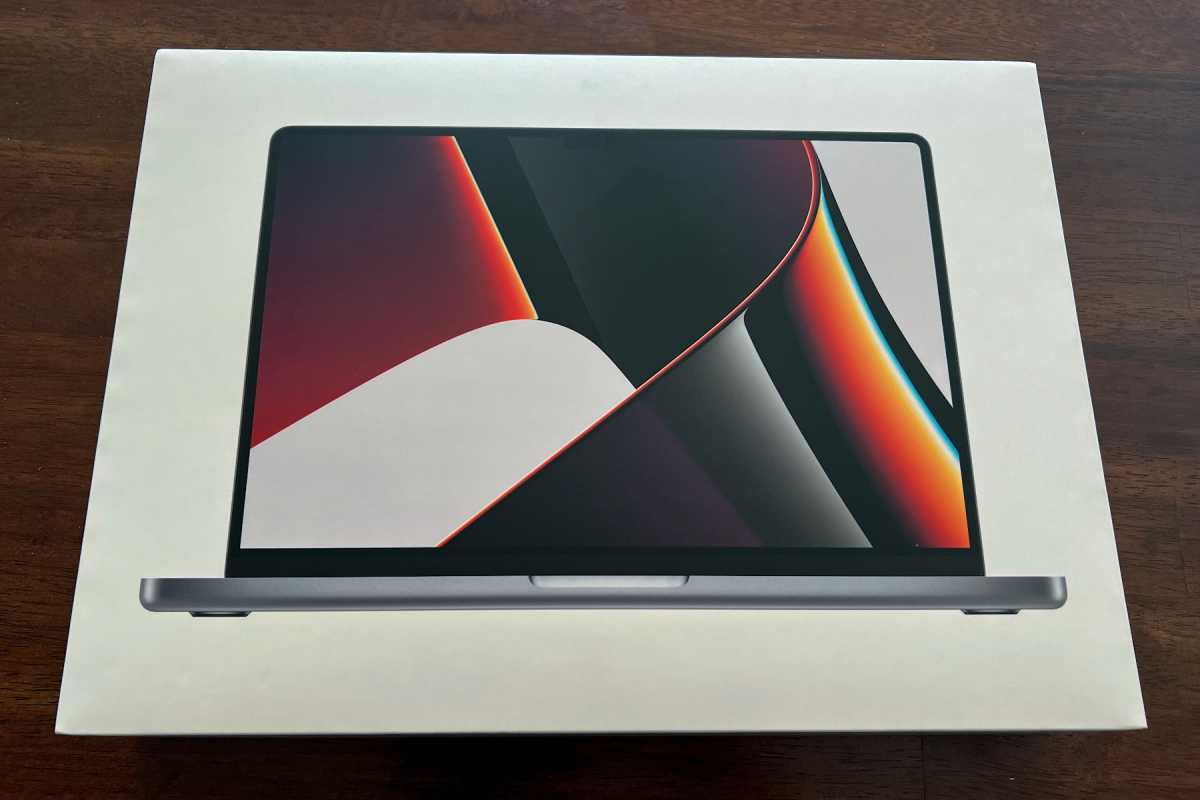
Refurbished Macs are sourced from several different channels, ranging from customer returns to manufacturing surpluses. The origin of a specific unit often depends on whether you are purchasing directly from Apple or through a third-party reseller.
Units sold through the Apple Certified Refurbished Store typically originate from the following sources:
- Customer Returns: Apple allows customers to return products within 14 days for a refund. These units are often in near-perfect condition but cannot be resold as “new” once the box has been opened.
- Defective Units: Some Macs are returned due to a specific technical fault. These units are sent to Apple engineers who rectify the issue before the device is cleared for resale.
- Ex-Demonstration Models: Units used in Apple teaching programs or as floor models in retail stores are also reconditioned for the refurbished market.
- Manufacturing Surplus: In some cases, what appears to be a refurbished deal is actually a surplus of new product. For instance, as noted in Save a whopping $1,300 on this M3 Max MacBook Pro blowout deal, some deeply discounted units sold by retailers like Woot “aren’t refurbished but rather are likely the result of a manufacturing surplus of product from Apple.”
How much cheaper are refurbished Macs?
The primary benefit of choosing a refurbished Mac is the cost savings, which typically range around 15% off the original retail price for recent models, though discounts can be much higher for older generations.
Because Macs command high retail prices, this percentage often translates into significant discounts ranging from a few hundred to several hundred dollars or pounds.
Typical Savings by Model
The exact amount you save depends on the specific model, its configuration (such as RAM and storage), and its age. Deals on the Apple Refurbished Store have included:
- MacBook Pro: Savings of up to $590 in the U.S. and up to £750 in the U.K.
- MacBook Air: Savings of up to $170 in the U.S.
- iMac: Savings of up to $290 in the U.S. and up to £260 in the U.K.
- Mac Studio: Significant discounts are available, with some models seeing price cuts of up to $600.
Specific high-end configurations can offer even deeper discounts.
Factors Influencing Price
- Generation: While it is possible to find current-generation models on the refurbished store, they typically do not appear until at least six months after their initial launch.
- Retailer: Other third-party resellers such as Amazon, Back Market, or Best Buy may offer even lower prices for refurbished Macs than Apple. However, Apple’s own refurbished units include a full one-year warranty and genuine Apple part replacements.
- Processor Type: Older Intel-based Macs are often sold at very low prices (e.g., a 2018 MacBook Pro for $300/£300), but these are not recommended as they are nearing the end of their software support lifecycle.
What are the risks of buying used vs refurbished
Buying a used Mac from an individual seller on a site like eBay can seem like a bargain, but it often comes with technical and security risks.
There’s an important distinction between used and refurbished. A refurbished Mac has been professionally inspected, tested, and repaired if needed – and is usually sold with a warranty and returns policy. By contrast, used or second-hand devices sold by individuals are typically offered “as-is,” with little to no protection if something goes wrong.
Here’s why buying used can be risky:
- Uncertain History: A used Mac may have hidden faults, wear and tear, or performance issues that aren’t immediately obvious – and could be the reason it’s being sold.
- No guarantee or returns: Private sellers often don’t offer returns or warranties, so you may be stuck with a faulty device.
- Activation Lock issues: If the previous owner hasn’t removed the device from their Apple ID, you could be locked out and unable to use the Mac.
In contrast, refurbished Macs offer far more peace of mind, thanks to professional checks, verified functionality, and buyer protections.
8 reasons not to buy a used, secondhand Mac
Foundry
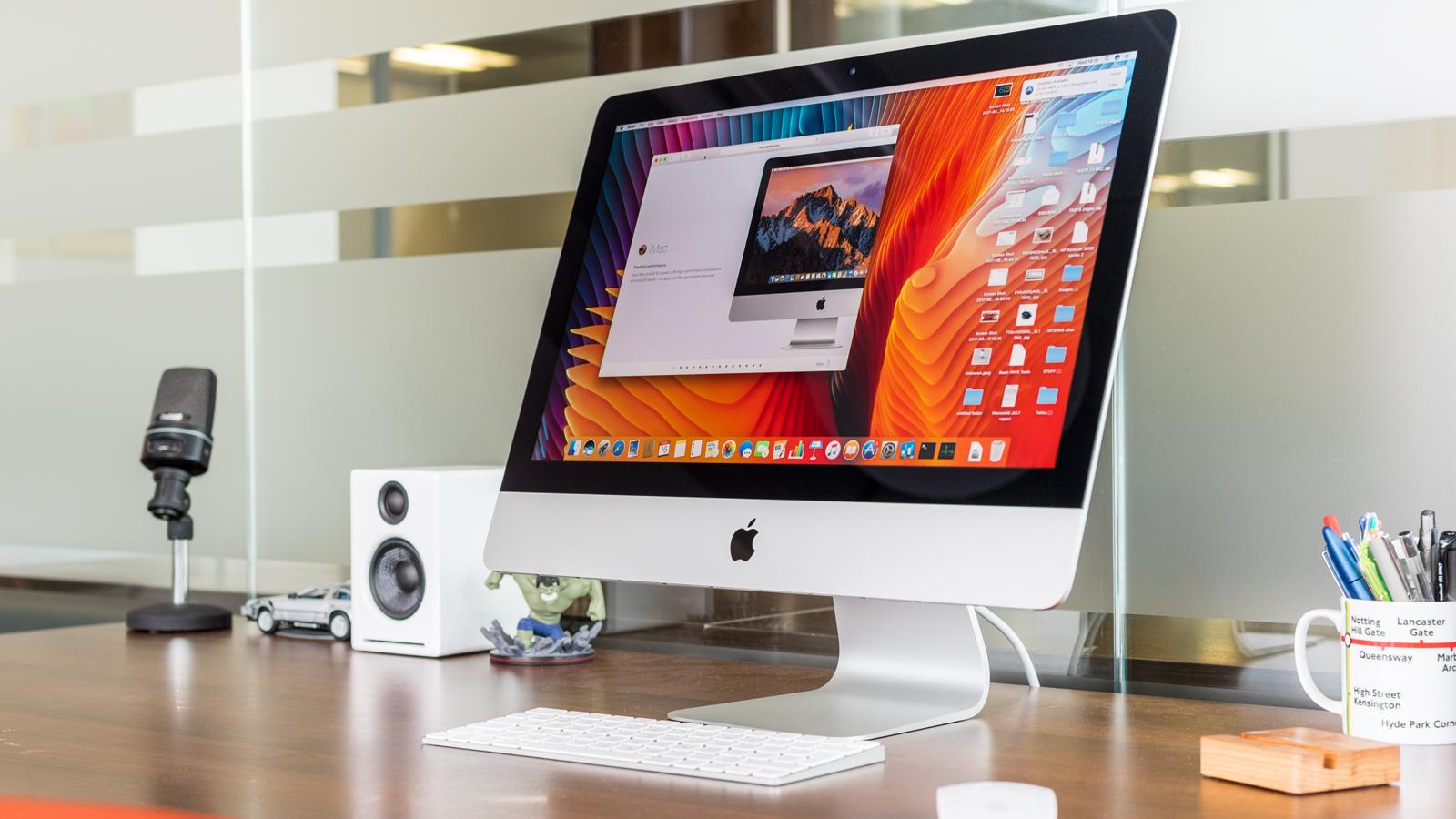
Here are eight reasons why it’s a bad idea to buy a secondhand Mac, and why you should consider refurbished or new instead:
- Older Macs can be insecure – Apple only supports the latest and two previous macOS versions. If a Mac can’t run a recent system like macOS Sonoma or later, it won’t receive security updates, leaving your data at risk. See How long does Apple support Macs to find out if the Mac is protected with security updates.
- Support is ending for older hardware – Even relatively recent Intel Macs are being phased out, with Apple expected to drop full support for them soon, limiting their lifespan.
- Repairs can be difficult and expensive – Apple classifies Macs as “Vintage” after seven years and “Obsolete” after ten. At that point, parts are hard to find or unavailable, making repairs costly or impossible.
- Limited software compatibility – Older Macs may not support the latest macOS features, and third-party apps may stop updating, increasing the risk of bugs and security vulnerabilities.
- Performance will lag behind – Even once-powerful Macs can struggle with modern tasks. Upgrading components is often limited or not worth the cost compared to buying a newer model.
- Reliability issues are more likely – Ageing hardware can lead to crashes, slowdowns, and unexpected shutdowns, making daily use frustrating.
- Intel models are outdated – Apple Silicon Macs (M1 and later) are significantly faster and more efficient. Intel Macs are becoming obsolete and will be harder to resell.
- Better alternatives exist – Instead of buying used, you can get affordable new or refurbished Macs with warranties, support, and better long-term value.
Further reading
If you want to know more about buying a refurbished Mac, read this: Where to buy a Refurbished Mac.
We also have
Best Place to buy a Mac and
When is the best time to buy a Mac.
For advice about which Mac to buy read out Best Mac Buying Guide
And if you want a deal on a new Mac, read:
Thinking of a refurbished iPhone? Read Best places to buy a refurbished iPhone and where to get the best deals.


