Summary created by Smart Answers AI
In summary:
- Macworld analyzes the upcoming iPhone 17e versus Google Pixel 10a, highlighting Apple’s struggle to compete in the budget smartphone market.
- The $599 iPhone 17e appears to offer less value than the $499 Pixel 10a, which features dual cameras, 120Hz display, and superior AI photography capabilities.
- Apple’s device retains outdated elements like a single rear camera, 60Hz refresh rate, and notch design while lacking competitive features that Android users expect.
Apple and Google are preparing the latest versions of their entry-level smartphones. On February 18, the Pixel 10a will debut with a reworked Tensor G4 processor and support for a full year of OS updates. At around the same time, Apple is expected to launch the iPhone 17e, featuring MagSafe compatibility and upgraded chips.
On the surface, both refreshes appear to be incremental. But a closer look at the rumored specifications suggests the Pixel 10a will still offer the stronger overall value for budget-conscious smartphone buyers. Not only will the iPhone 17e likely cost $100 more, but according to rumors, it’ll still miss out on several essential upgrades that have been standard on the budget Pixel line for a while.
Camera: Two is better than one
Photographers and content creators have long praised flagship iPhones for the exceptional camera systems they pack. Pro users get to pick between the ultra-wide, wide, and telephoto lenses, letting them shoot nearby and distant subjects alike. However, despite Apple’s undeniable interest in mobile photography, its efforts don’t translate as vividly beyond the flagship line.
When Apple introduced the iPhone SE with a single rear lens in 2020, the decision was arguably justified at the time due to the phone’s low cost. That’s no longer the case, however. The company now charges mid-range prices for its “e” iPhones, while still giving their cameras the budget phone treatment. The iPhone 17e won’t be cheap, and excluding a second rear lens makes little sense.
The iPhone 17e will likely still have just one rear camera.
David Price / Foundry
Things get trickier for Apple when comparing the iPhone 17e to its primary rival—Google’s Pixel 10a. Budget Pixel phones have offered ultra-wide and wide rear cameras for a few years now, despite them costing significantly less than Apple’s “e” iPhones. If Google has done it, why can’t Apple?
Another Pixel 10a camera win is Google’s superior AI photography features. Those opting for Android will get to utilize exclusive photography perks, like Best Take, and apply advanced edits unavailable natively on iOS. And we don’t expect the iPhone 17e to introduce any new tricks that aren’t already on the iPhone 17.
Display: Half the hertz hurts
In an era dominated by digital media, the smartphone’s display matters a lot. Google’s Pixel 10a wins this round, too, as it’ll pack a larger, brighter, and more fluid screen. The iPhone 17e will reportedly stick to the dated 60Hz refresh rate, while the Android-powered alternative will once again offer 120Hz for smoother animations. Similarly, the 6.3-inch Pixel 10a will have almost twice the max brightness as the 6.1-inch iPhone 17e, making it more usable outdoors.
The iPhone 16e’s notch is likely going to still be present on the 17e.
Foundry | Alex Walker-Todd
Design: Retro isn’t hip anymore
Apple essentially ended the notch when it launched the iPhone 14 Pro with the Dynamic Island in 2022. Nevertheless, Apple continues to plague the iPhone “e” line with the horrendous notch, giving the phone an unfashionable look. The Pixel 10a, on the other hand, will offer the hole-punch front camera design that has been rumored for the iPhone for years—and looks noticeably more futuristic.
Other design mishaps include the limited color selection for “e” iPhones. Apple offers the iPhone 16e in black or white, and its successor is expected to follow suit. Conversely, the Pixel 9a comes in four finishes, including more vibrant options, and the 10a won’t be any different. Lively colors shouldn’t be exclusive to flagship phone customers, Apple.
Battery: Just enough vs long-lasting
Both the iPhone 17e and Pixel 10a are expected to have similar batteries as their predecessors. As such, it’s safe to assume that the Pixel 10a will similarly have a longer battery life than the iPhone 17e. The upcoming iPhone will likely adopt Apple’s more efficient A19 processor, C1X modem, and N1 networking chip, but these are unlikely to make a huge impact on energy consumption.
Otherwise, the Pixel 10a will feature a USB 3.2 connector for charging and data transfer, while Apple will continue to limit “e” iPhone users to the ancient USB 2 port. On the bright side, iPhone 17e users may finally get to use MagSafe chargers and accessories, while the Pixel 10a will likely stick with basic Qi wireless charging.
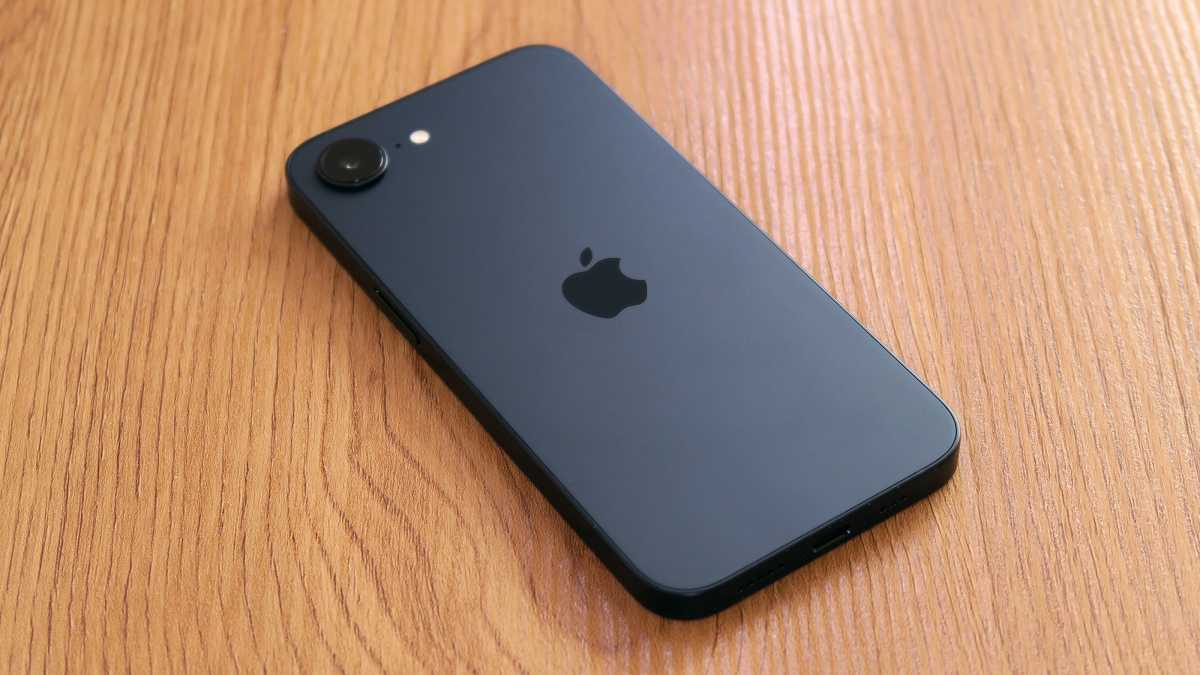
The iPhone 17e will reportedly get MagSafe but not much else to entice buyers to switch.
Foundry | Alex Walker-Todd
Price: $100 goes a long way
Above all, budget smartphone buyers care more about the price than the feature set—they just want a smartphone that can take pictures and make calls without spending a fortune. That’s where Google wins yet again. The 128GB Pixel 10a will reportedly retain its predecessor’s $499 starting price, while the 128GB iPhone 17e will continue to start at $599. A $100 difference in price is considerable in the budget smartphone market.
In the past, Apple loyalists were more than willing to pay a higher price and settle for inferior specifications due to the ecosystem lock-in. The past has passed, however. Today, Google is offering numerous features that were previously only available on iPhones: AirDrop support on its Pixel phones, RCS for an iMessage-like experience, and a guaranteed seven years of feature updates.
We’ve reached a point where it’s much easier to migrate data and use cross-platform apps that work on non-Apple platforms. Consequently, many customers will no longer be pushed to spend more on a less capable device when there are better options out there.


