April 1 marks Apple’s 50th anniversary, a milestone it couldn’t reach without the help of some very talented people. So we decided to put together a list of the 50 people who made Apple the company it is today. Some worked there for just a year or two; others for almost the entire half-century, while others never actually worked for the company at all. But all influenced Apple’s journey in some profound way.
This is all, of course, deeply subjective. It is very unlikely that every reader will agree with the author’s selections, far less with his rankings. Which is fine, we welcome the conversation. Our only rule is that if you complain about someone’s exclusion, tell us who you would cut to make room by dropping us a message on Bluesky or Threads.
50. Katie Cotton
Apple
PR legend Katie Cotton joined Apple in 1996, shortly before the return of Steve Jobs, and worked closely with him for the next 15 years. For better or worse, she was instrumental in shaping the company’s communications strategy and famous culture of secrecy, fiercely controlling Apple’s portrayal in the press. As we wrote upon her retirement in 2014, she “largely turned public relations on its head.” Cotton sadly passed away in 2023, but like Jobs himself, her legacy lives on in Apple Park.
49. Al Gore
Kleiner Perkins
The former vice president of the United States is better known, of course, for his political career and climate advocacy. But Al Gore has made a small mark on Apple’s history too: After his failed bid to become president of the United States, he joined Apple’s Board of Directors. “Al brings an incredible wealth of knowledge and wisdom to Apple from having helped run the largest organization in the world: the United States government,” Jobs said at the time of his election. No, not that election.
48. Michael Spindler
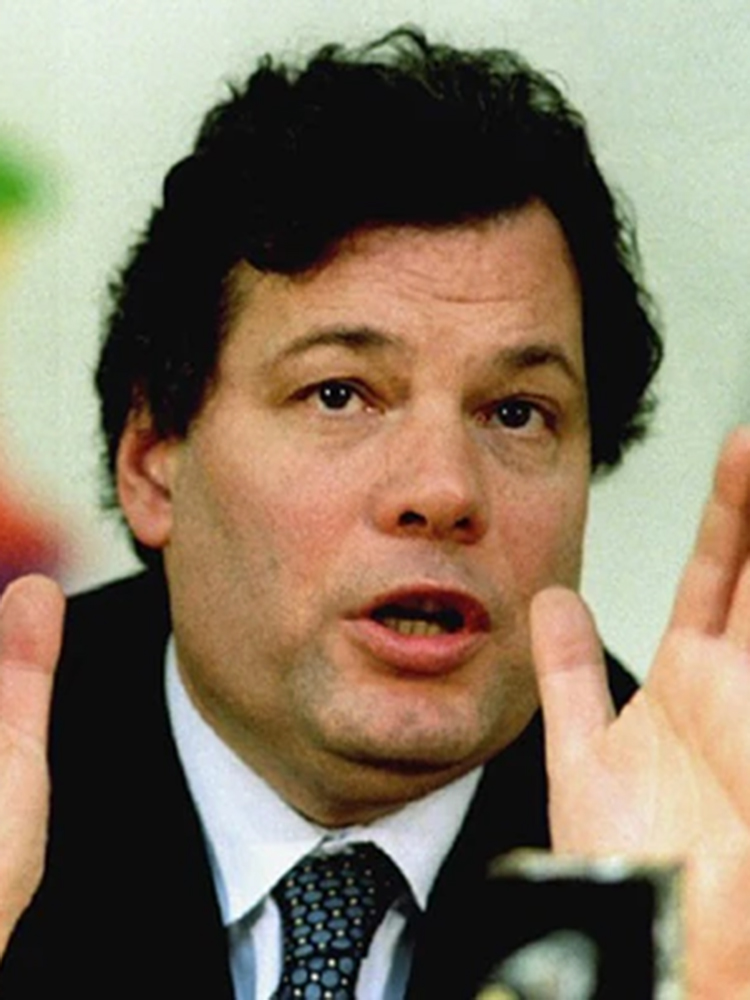
During its 50 years, Apple has had seven full-time CEOs. Six of them are in this list. (Michael Scott, who was more memorable for the number of people he fired than the new products he oversaw, misses out.) Michael Spindler, who ran things from 1993 to 1996, is our next lowest-ranked CEO. His era wasn’t exactly a golden one, but he deserves recognition for the momentous launch of the first PowerPC Macs on his watch, as well as bold failures such as the clone licensing program. Spindler also fired a bunch of people and tried to merge with IBM, but nobody’s perfect.
47. Bill Gates
Microsoft
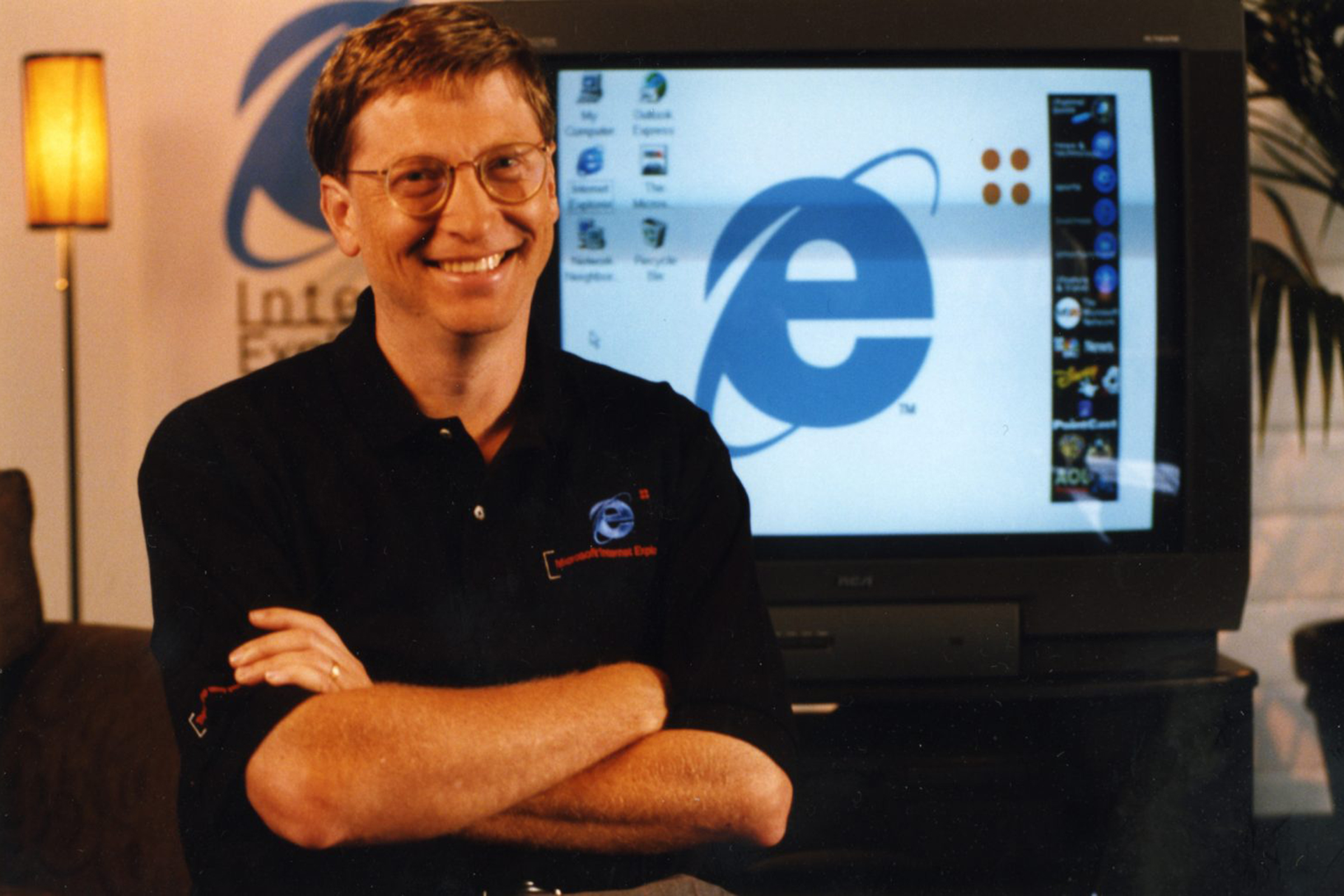
Apple fans are mainly familiar with Bill Gates as the guy trying to get everyone to run Microsoft DOS or Windows instead of Mac OS through the 1980s and 1990s. But it’s important to remember that Apple probably wouldn’t have survived the latter decade without Microsoft’s $150 million investment (and its commitment to keep developing Office for the Mac) in 1997, and it was Gates who made that call. This felt like a Faustian bargain, but unusually for those types of stories, everything worked out OK in the end.
46. Bob Belleville
Folklore.org
Jobs famously recruited John Sculley from PepsiCo by asking him if he wanted to sell sugared water for the rest of his life. Bob Belleville, working at the time for Xerox, reportedly got the even less flattering line “Everything you’ve ever done in your life is shit, so why don’t you come work for me?” Perhaps surprisingly, this worked, and Belleville spent three years leading both hardware and software engineering for the Macintosh and overseeing the development of the LaserWriter.
In a 2015 documentary, he said that working under Jobs consumed his life and destroyed his marriage, yet movingly struggled to hold back tears while reading an obituary he wrote for his former boss. It’s hard to think of a better metaphor for the intense highs and desolate lows of working with Steve.
45. Chris Espinosa

Meredith Espinosa
Apple employee No. 8 joined the company in 1976 when he was just 14 (despite being warned about the notorious Steves by his teachers), and is still there today, making him Apple Inc.’s longest-serving employee. Espinosa did a bit of everything in the early days, from marketing to writing manuals and business plans, before finding his niche in technical projects such as Mac OS, Xcode, and AppleScript. Few can claim to have contributed so much, and none for so long.
44. Ridley Scott
Getty Images
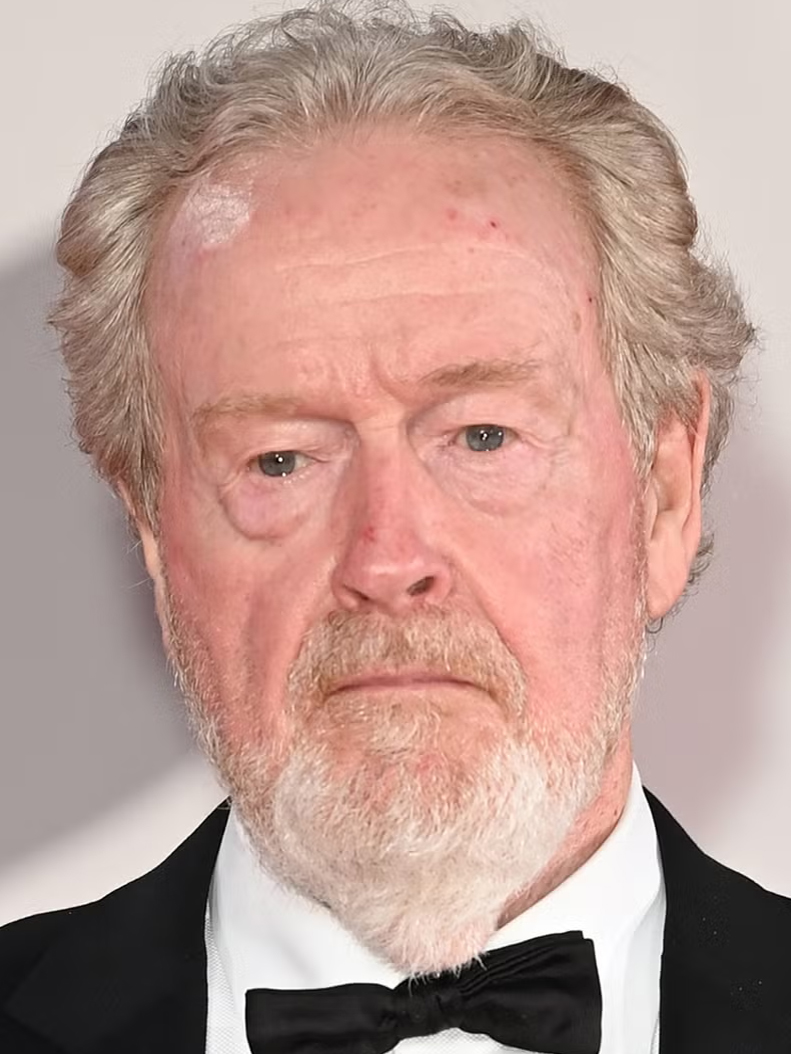
Lots of successful film directors have dabbled in advertising, but rarely does the resultant work merit more than a faintly embarrassing footnote in their career. Not so with Ridley Scott, who had already made Alien and Blade Runner when he was approached to direct a high-profile spot for the upcoming Macintosh computer. He could have passed on the sort of thing as beneath his stature, but instead, he made what is widely considered the greatest TV commercial ever made. All that without even showing the product.
Lots of successful film directors have dabbled in advertising, but rarely does the resultant work merit more than a faintly embarrassing footnote in their career. Not so with Ridley Scott, who had already made Alien and Blade Runner when he was approached to direct a high-profile spot for the upcoming Macintosh computer. He could have passed on the sort of thing as beneath his stature, but instead, he made what is widely considered the greatest TV commercial ever made. All that without even showing the product.
43. Rod Holt

Alchetron
Already well into his 40s by 1977, Rod Holt was reportedly skeptical about both Apple and Steve Jobs himself when first asked by his boss at Atari to “help the kids out.” He reportedly demanded a fee of $200 per day, which proved to be a wise investment. Holt designed a vital switching power supply for the Apple II and later joined full-time as employee No. 5, chief engineer, VP of engineering, and chief scientist. “This process of invention is very unusual,” he said on the Mac’s 30th birthday many years later. “I think the world could use a lot more of it.”
42. Angela Ahrendts
Apple
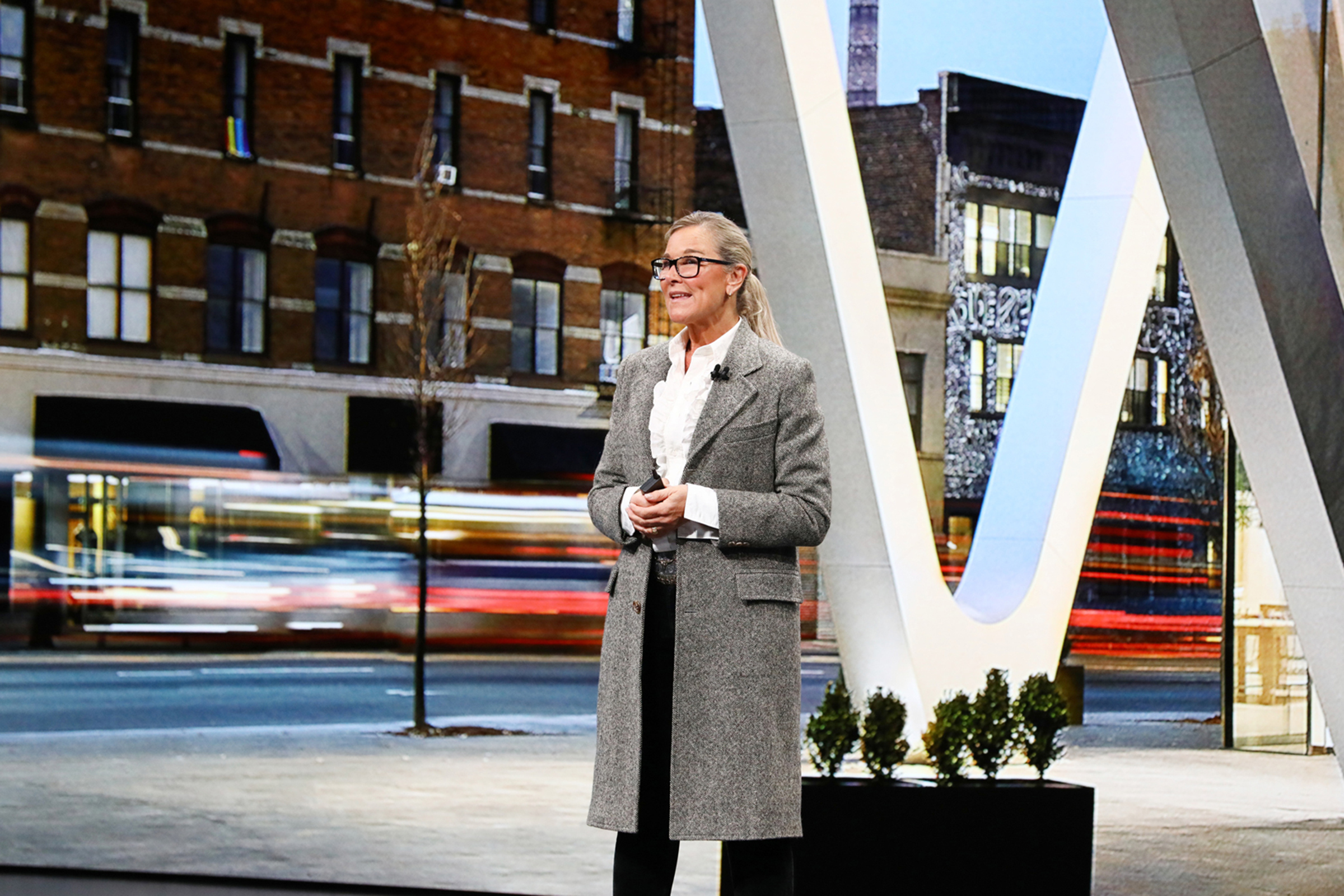
Apple’s first and for many years its only high-profile female executive, ex-Burberry CEO Angela Ahrendts merits inclusion as the pioneer she undoubtedly was in a male-dominated industry. (Just look at how many men there are on this list.) But that would be to sell her short, because she also made an indelible mark on the company’s retail presence around the world. Every time you walk into an Apple Store, you’re seeing Ahrendts’ influence, and the value brought to Apple by her deep understanding of the fashion and luxury markets.
41. Daniel Kottke

Having met Jobs (whom he described as “a really sweet guy, real quiet and shy”) at Reed College in 1972, Daniel Kottke later travelled extensively with the Apple founder. They trekked in India, seeking spiritual enlightenment, and they visited All One Farm, the Oregon commune owned by the love guru and LSD trafficker Robert Friedland. So it was natural enough, when Jobs started a company whose name was inspired by Friedland’s orchard, that he would bring his friend on board as Apple employee No. 12.
A self-taught engineer with little computing knowledge, Kottke grew to become an invaluable member of the team. He assembled and debugged circuit boards (he reportedly still owns all 12 original Mac logic boards), built prototypes, and designed the Macintosh’s detached keyboard. His signature is even embossed inside the case. But Kottke lost favor with the boss. When Apple went public in 1980, Rod Holt offered to match whatever stock options Jobs would give his buddy. “OK,” Jobs replied. “I will give him zero.” Not such a sweet guy after all.
40. Phil Schiller
Apple
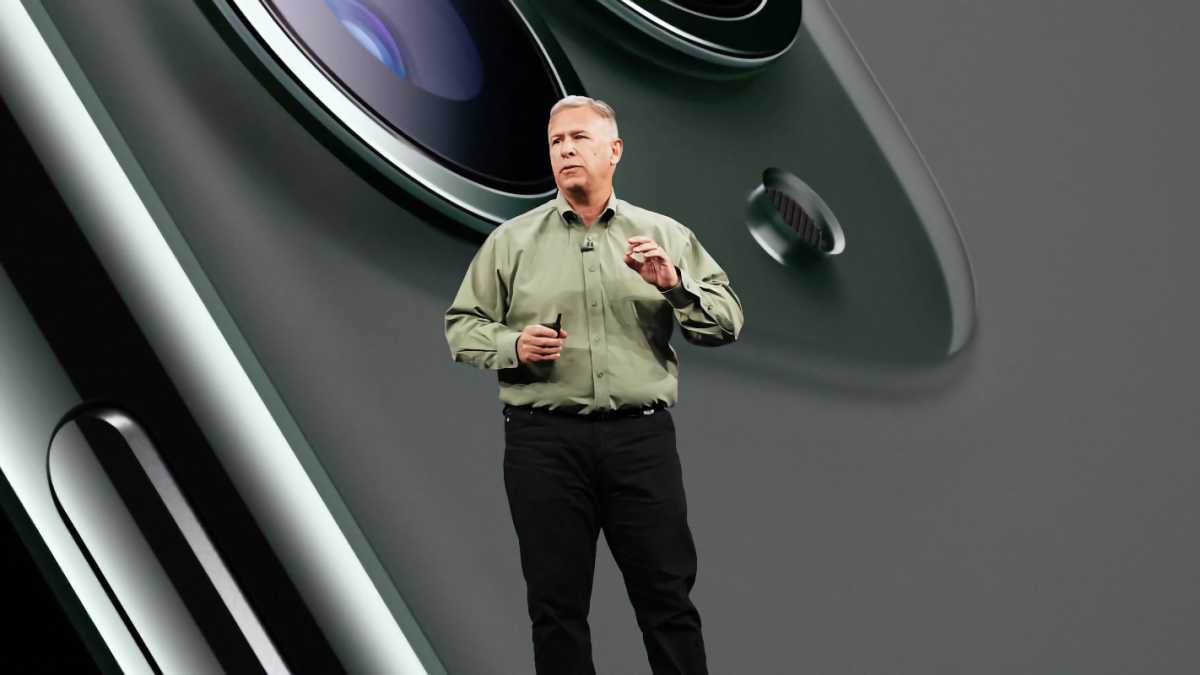
Phil Schiller is part of the modular furniture at Apple Park, having worked at the company in various roles for almost four decades. One of the most successful marketing men of our age, Schiller has enjoyed prominent roles in numerous keynote presentations and fronted several while Jobs was on medical leave. But he doesn’t just sell products: he helps to make them, too, boasting an inventor credit on nothing less than the iPod click wheel patent. In 2020, when Schiller was the first person in more than 25 years to be appointed as an Apple Fellow, he said, “I’ll keep working here as long as they will have me. I bleed six colors.”
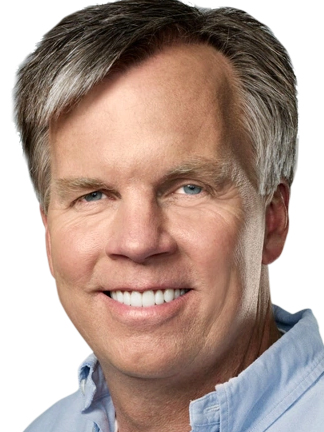
39. Ron Johnson
Apple
By the year 2001, it was apparent to basically everyone that the future of retail was online sales. Everyone, that is, except for a few bold thinkers at Apple who plunged wholeheartedly into bricks and mortar at what seemed like the worst possible time. Ron Johnson, who had been brought in from Target the year before, developed the concept of the Apple Store with a blend of creativity and tireless attention to detail, modelling it on great public buildings, obsessing over materials and lighting, and encouraging employees to help, not sell. The Genius Bar was his defining innovation: a mark, appropriately enough, of his very specific genius.
38. Joy Mountford

Joy Mountford
The user-friendliness that became a hallmark of Apple’s products can largely be traced to the work of the influential Human Interface Group, led by Joy Mountford from 1986 to 1996. A multidisciplinary project bringing together scientists, programmers, visual artists, and usability specialists, the group (which expanded from “about seven” to a 60-strong team) delivered design notes for a wide range of software products and codified the guidelines that would be followed by Mac app developers. Without Mountford, macOS might look very different today.
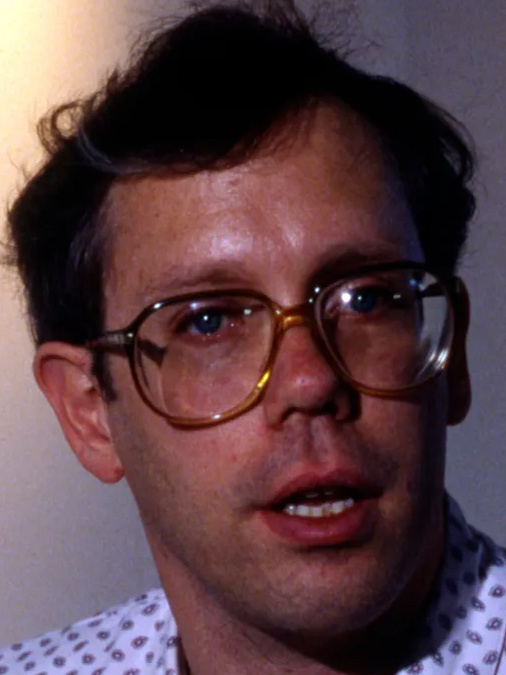
37. Bill Atkinson
Getty Images
Apple’s fact-finding visits to Xerox’s Palo Alto Research Center at the end of the 1970s are the stuff of Cupertino legend. Xerox had developed the building blocks of the GUI computing interface as we understand it today–but it was up to Apple programmer Bill Atkinson and his team to polish and expand the concepts into something they could use in the Lisa computer, and afterwards the Macintosh. In an interview one year before his death from pancreatic cancer in 2025, Atkinson recalled being asked by Steve Jobs how long this would take: “I said something totally stupid. I said, ‘Maybe six months.’” It actually took three years, but the impact would last far longer than that.
36. Jean-Louis Gassée

Wikipedia file
“Jean-Louis Gassée is evil,” Jobs reportedly told interviewer Brent Schlender in 1997. Then again, he might have been biased, since Gassée’s manoeuvrings were instrumental in the founder’s expulsion from Apple in 1985. Other industry figures have generally had kinder words for the French engineer-turned-executive who took over Steve’s role as head of the Macintosh team. Gassée not only founded Apple’s enormously profitable French division, but he was also responsible for a change in the Mac’s direction with projects such as the Macintosh Portable, Macintosh IIfx, and the Macintosh SE. Known for his jokey, informal onstage manner, Gassée was himself forced out of Apple in 1990, despite the best efforts of sympathetic employees who staged a demonstration on the lawn. Presumably, they saw him as a force for good, not evil.
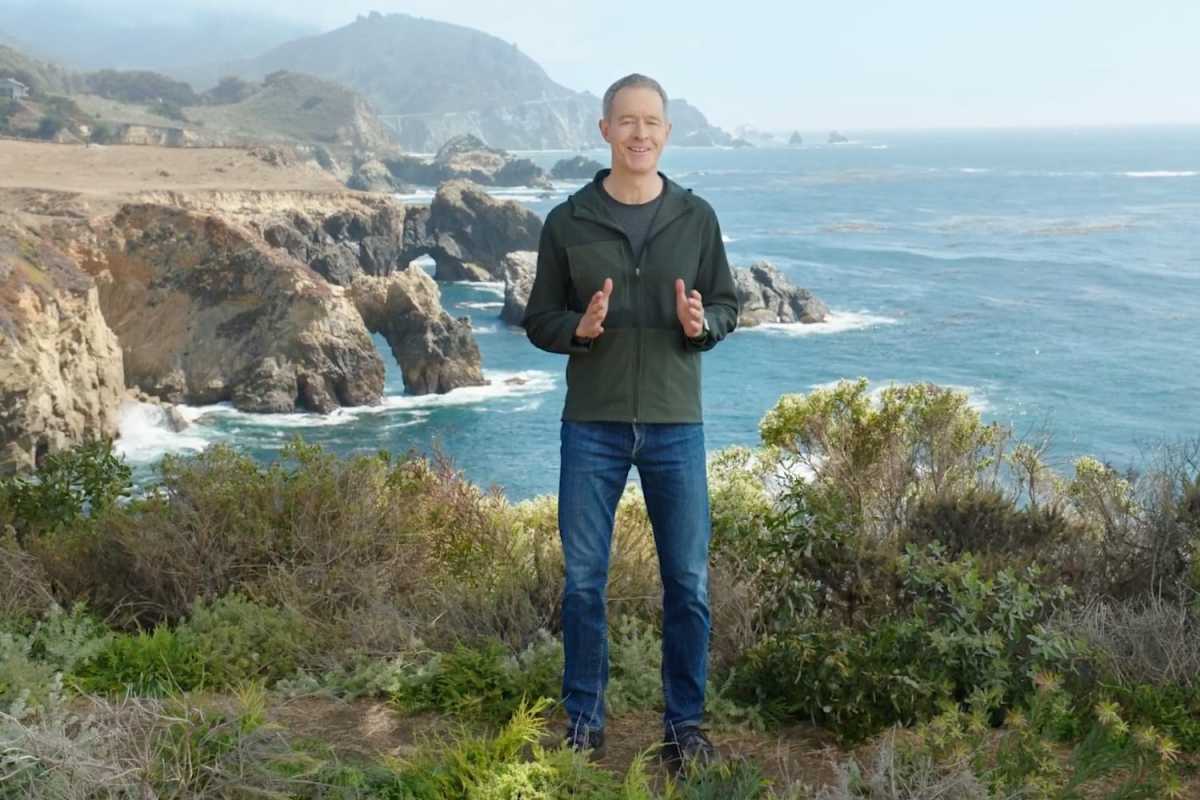
35. Jeff Williams
Apple
It took a strangely long time, after Tim Cook ascended to the top job in 2011, to fill his old post. Jeff Williams didn’t get the promotion to chief operating officer until 2015, becoming to Cook what Cook had been to Steve Jobs and, in the eyes of many, donning the mantle of de facto deputy.
For a while, it seemed probable that in due course, Williams would follow the same COO-to-CEO path as his predecessor. This made sense, given his high profile both internally and externally. He was a prominent stage presence at the launch of new products (the Apple Watch was a particular specialty), and the in-house design team reported to him after Jony Ive left in 2019. But the position never opened up. Cook, who is around three years older, keeps on trucking, and Williams retired last year. “Apple wouldn’t be what it is without him,” said his boss following his retirement.
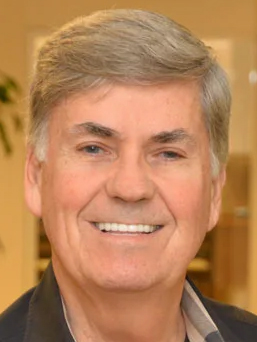
34. Fred Anderson
NextEquity
Who would have wanted to be Apple’s CFO in early 1996, with the flops stacking up and the company close to bankruptcy? Fred Anderson did, and he kept the position right through to the sunnier days of 2004. He even served as acting CEO between the removal of Gil Amelio and the installation of Jobs, doing the boring things (mostly) right in a way that allowed the geniuses to work their magic.I say “mostly” because he became embroiled in a backdating scandal that turned ugly, but this ignominious final chapter doesn’t change the fact that Anderson helped keep Apple afloat amid the most serious financial storms it ever had to weather.
33. Paul Terrell
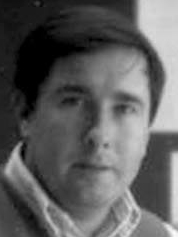
NextShark
Small decisions can have huge consequences. Apple’s first big break came when Paul Terrell, owner of the pioneering tech retailer Byte Shop, agreed to pay $25,000 for 500 fully assembled Apple I systems. The problem was that the parts alone cost $15,000, which the new company simply didn’t have, and suppliers were unwilling to extend credit to a pair of scruffy youngsters without verification of the deal. The story became part of Apple lore. Jobs tried to reach Terrell, but he was at a conference at the time. So Steve got the organizers to announce Terrell had an emergency call over the loudspeaker. If he hadn’t heard the announcement, not taken that call, or refused to pay up (the Apple circuit boards were delivered without cases or power supplies), I might not be writing this article.
32. Jimmy Iovine
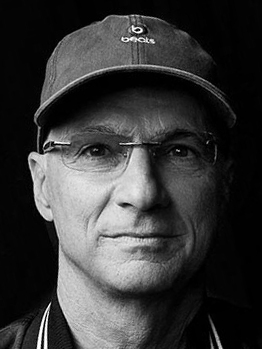
Jimmy Iovine
As part of a legal settlement with the Beatles over the Apple trademark in 1981, Apple agreed to stay out of the music business. That it has done such a spectacularly bad job of this can largely be traced to… well, the energy and persuasive powers of Steve Jobs. But the record exec Jimmy Iovine played a crucial role, too. Iovine put in a good word when his best friend, Universal Music Group boss Doug Morris, was weighing up the concept of the iTunes Store, leading Universal to get onboard with Apple and begin the industry shift towards digital music. (“This guy is unique!” he said, accurately, about Jobs. “He’s got a turnkey solution.”)
Iovine brokered the deal to have U2 appear in Apple ads, understanding that associating with a tech company would make the band appeal to a younger audience. And a few years later, after the headphone company he set up with Dr Dre became a runaway success, they sold Beats to Apple for $3 billion, the company’s biggest ever acquisition and its most significant since NeXT. This deal gave Iovine an undisclosed position at Apple, where he helped set up Apple Music. As if he hadn’t already done enough.
31. Paul Brainerd
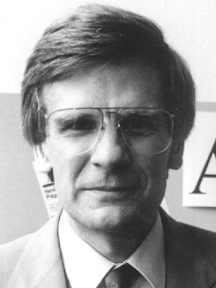
Wikipedia
The software pioneer and environmentalist Paul Brainerd, who died earlier this year, coined the term “desktop publishing” and in 1985 released its first consumer application: PageMaker. Although it was later made available on other platforms, PageMaker started out on the Mac, establishing it as the first choice of every self-respecting digital creative. The next time you see a hipster sipping a flat white while editing video on a MacBook Pro, tell them that Paul Brainerd says hi.
30. Susan Barnes

Apple Wiki file
It’s debatable whether Steve Jobs could accurately be described as a feminist, but he had his moments. On one occasion, finance exec Susan Barnes, sent to cut a deal with a partner, was condescendingly told by the chairman to go shopping while the men conducted business. Jobs reportedly sent a fax indicating in no uncertain terms that “Ms. Barnes makes the decision.” I recount that story not to praise Jobs, who, generally speaking, was more interested in success than fairness, but to illustrate his justified confidence in Barnes. As controller of the Mac division at Apple, and then as chief financial officer at Jobs’ NeXT Computing, Barnes consistently secured big deals, from Apple’s acquisition of a stake in Adobe to Canon’s $100 million investment in NeXT. One would hope that it doesn’t take a feminist to recognise excellence.
29. Alan Kay
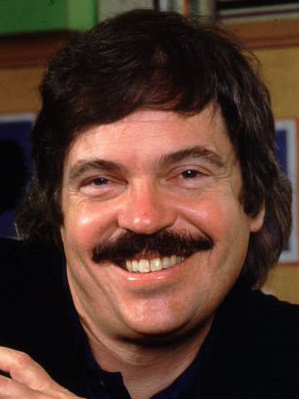
Getty Images
Like Bill Atkinson (No. 37 on this list), Alan Kay was present at the famous Xerox PARC visits, but not as a visitor: It was his work that was being shown off. As a Xerox employee, he led the development of the windowed computing interfaces that Apple would put to good use in the Lisa and Macintosh interfaces. As if that wasn’t enough of a contribution to modern computing, he also came up with the concept of the Dynabook, a children’s computer which paved the way for the laptop and tablet, and was a key figure in the development of object-oriented programming. An exhaustingly fertile mind, Kay stopped inventing things just long enough to be elected an Apple Fellow in 1984.
28. Guy Kawasaki

Guy Kawasaki
The credit for the original Macintosh’s groundbreaking success shouldn’t just go to the people who made it. We also need to recognize the people who did such a good job of selling it. Which brings us to Guy Kawasaki, who popularised evangelism marketing, a concept that remains fundamental to Apple’s strategy to this day. Rather than selling a computer, Kawasaki sold the Apple lifestyle, turning users and developers into unpaid evangelists who would spread the word further. He also, for a time, wrote a column for Macworld, but I promise that’s not why he made this list.
27. Ronald Wayne
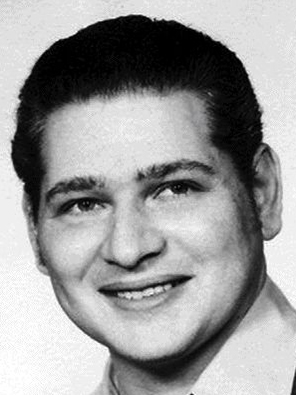
Ronald Wayne
An Apple founder not even making the top half of the list? Surely some mistake. Sadly not, because Ronald Wayne’s part in the Apple story ends mere months after the company was founded. Brought in by Jobs as a mediator, tie-breaker, and all-around adult in the room, the 40-something Atari veteran knew what it meant to fail in business, having been badly burned by a slot-machine venture in the early 70s. Lacking the naive fearlessness of his younger colleagues, he freaked out, backed out, and sold his 10 percent stake for just $2,300. Walter Isaacson calculates that, if he had waited until the end of 2010, he could have cashed out at $2.6 billion. But he appears remarkably sanguine. “I made the best decision for me at the time,” he said later.
26. Robert Brunner

Speaker Solutions
Like Fred Anderson (No. 34), Robert Brunner helped to hold down the fort while Apple was going through some tough times. As director of industrial design from 1989 to 1996, his résumé includes the Macintosh Color Classic, LC 520, and the original PowerBook. And after leaving the company, he went on to design headphones and speakers for Beats, influencing the Apple story from the outside. With a cabinet full of awards and work on permanent display in museums across the U.S., Brunner’s place in design history is secure. But he is more modest, claiming his legacy will be as kingmaker, not king. “When I die,” he told attendees at a 2007 lecture at the Computer History Museum, “I know what’s going on my tombstone: This is the guy who hired Jonathan Ive.”
25. Lee Clow
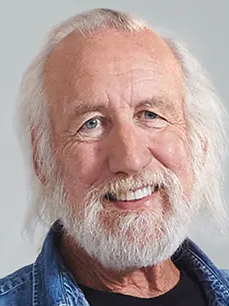
TWCA
One of the first things Steve Jobs did after his return to Apple in 1997, before he’d even accepted the title of interim CEO, was to ring up Lee Clow. Clow and his team at the Chiat/Day advertising agency had masterminded the “1984” ad for the original Macintosh, and the two men had remained close. Now Jobs needed his friend’s help to reclaim what he saw as a great but damaged brand. According to Walter Isaacson, Clow initially refused to pitch for the account, but eventually relented, and Jobs was moved to tears both at the time and when recollecting it later.
“Here was the best guy in advertising,” Jobs said. “And he hadn’t pitched in 10 years. Yet here he was, and he was pitching his heart out, because he loved Apple as much as we did.” The idea he was pitching was Think Different. And just like that, Apple was back.
24. Lisa P. Jackson
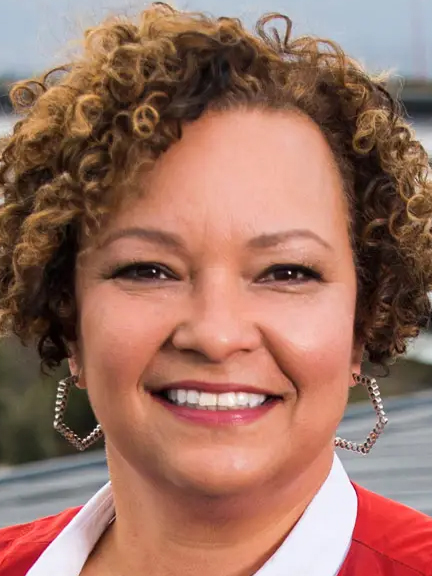
Apple
Back in June 2013, a month after Apple hired Lisa Jackson as its first environmental policymaker, I wrote about the company’s surprisingly poor record on green issues. Was Jackson’s arrival a symptom or a cause of that record improving? A bit of both, probably. All I know is that by the time she retired 12 years later, Mother Nature had appeared in an Apple keynote and the company was at least pretending to care about its impact on the planet.
Like Al Gore (No. 49), Jackson boasts a political career so distinguished it’s liable to make her time with Apple seem like a mere footnote. But that may not be the case. Big tech has such an outsized impact on the environment that even the gentlest of nudges to its ethical compass (which Jackson has provided, along with expertise in both science and political optics) can have major consequences. In terms of real-world impact, there’s an argument to be made that Lisa Jackson is the most important hire Apple has ever made.
23. Scott Forstall
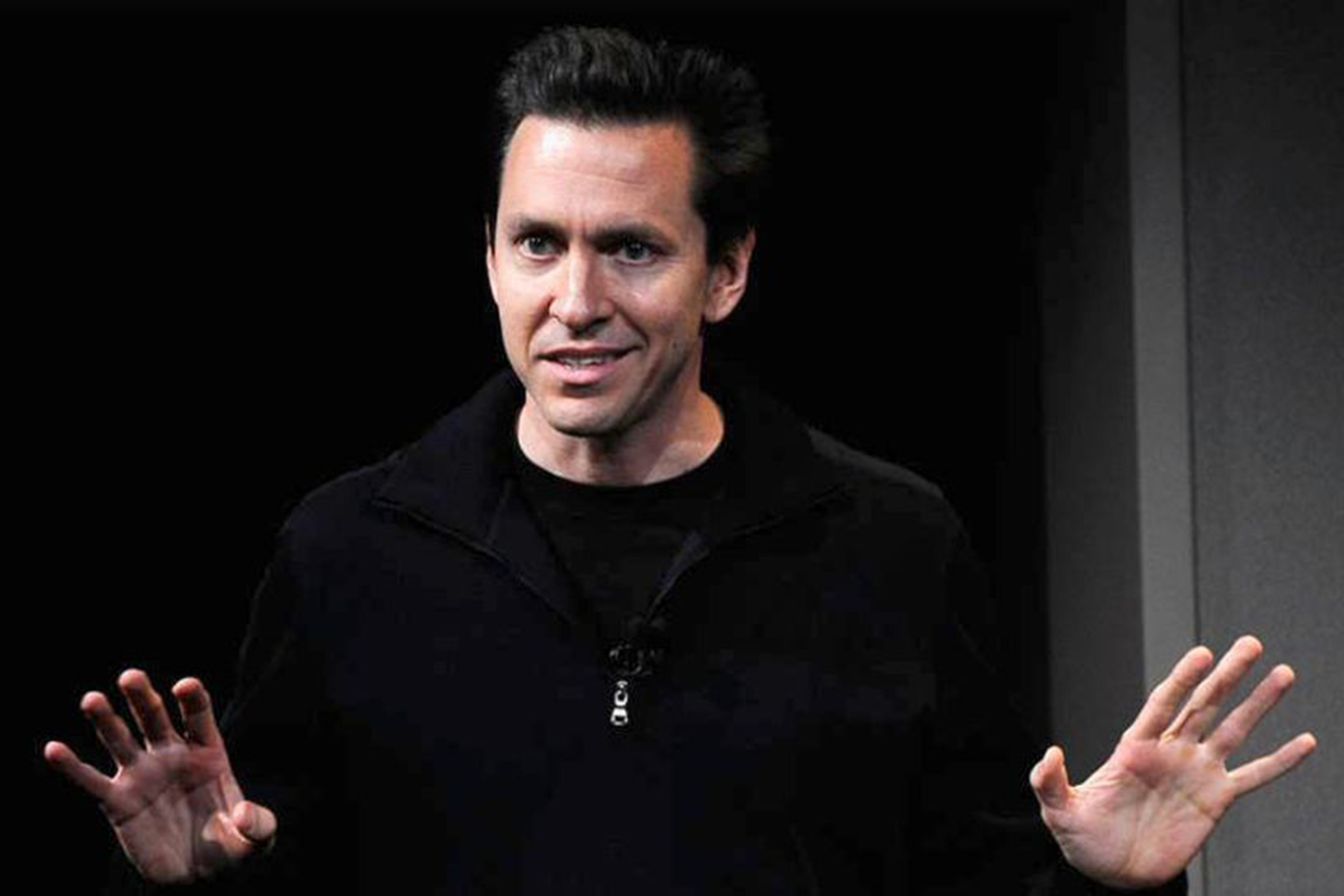
Pasquale Borriello/CC
Once touted as Tim Cook’s successor, Scott Forstall had all the ingredients for greatness: vision, stagecraft, and deep technical expertise. But less than a year later, Apple was announcing his departure. Most believe it was the initial failure of Apple Maps and Forstall’s refusal to sign an apology for its shortcomings, but his ambition and abrasive management style may also have been factors.
This was a sad as well as a sudden fall, because Forstall did much to aid Apple’s rise in the 2000s. Brought over from NeXT as part of the 1997 acquisition, he played a major role in the development of both Mac OS X and Safari, but that was just the start. In 2005, he won a power struggle for control of Apple’s iPhone OS, astutely seeing that third-party apps were key to the iPhone’s future. Then he was so instrumental in the creation of the iPad that Steve Jobs sent him an email while demonstrating the product on stage. “Wow,” it read, “we really are announcing the iPad.” Forstall wasn’t around much longer, but it was fun while it lasted.
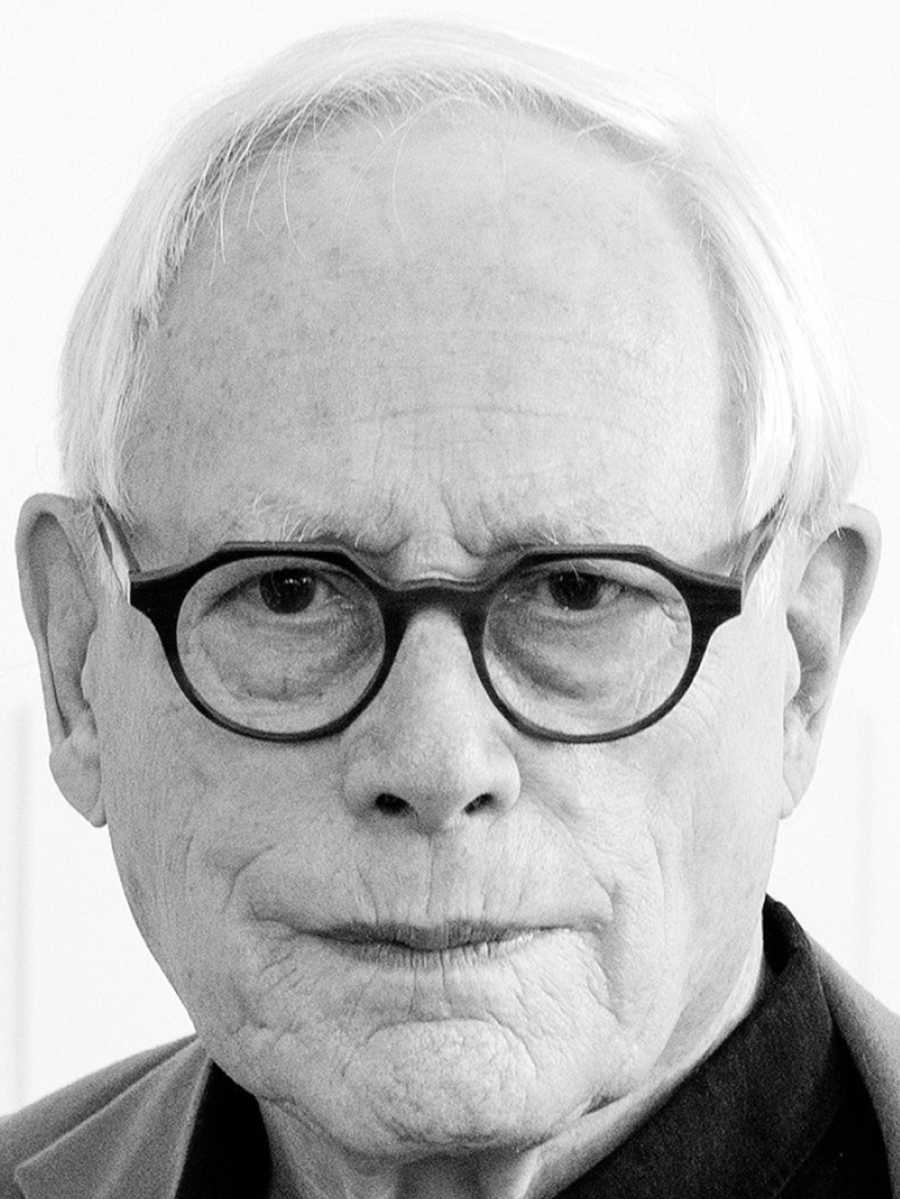
22. Dieter Rams
WDO
He may never have worked for Apple, but Dieter Rams’ signature style had a major influence on the designers (and CEOs) who did. His work at Braun resonated with an aesthetically voracious Steve Jobs in the 1980s, and again with Jony Ive in the 1990s: there is a direct line from Rams’ principle of “Less, but better” to Apple’s “Simplicity is the ultimate sophistication.” That influence continues into the 2020s, as Rams-designed objects populate the set of the Apple TV show “Severance,” lending the nightmarish tale an incongruous retro chic.
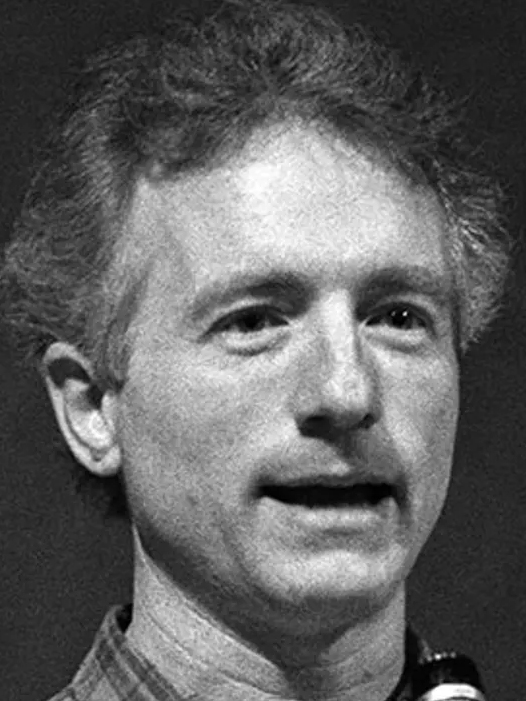
21. Larry Tesler
Getty Images
When Larry Tesler died in 2020, his former employers at Xerox tweeted a short tribute which concluded with the words, “Your workday is easier thanks to his revolutionary ideas.” This isn’t wrong, but it understates the scope of his achievements.
Yet another veteran of the Xerox PARC/Apple encounters (he was by far the more enthusiastic of the two scientists chosen to brief Jobs and Atkinson), Tesler did great things for both companies. At Xerox, he helped build the user interface as we know it, including modeless software, GUIs, copy/paste, and find/replace. He also came up with terms for everything from “user-friendly” and “what you see is what you get” to the humble web browser. Then, as chief scientist at Apple, he worked on the Lisa, Newton, and Macintosh. Rather more of a legacy than trimming a few seconds off your workday processes.
20. Mike Markkula
Alchetron
Ronald Wayne (No. 27) was the first grown-up brought on board to balance the youthful naivety of Apple’s founders, but he didn’t stick around. A more enduring influence was provided by Mike Markkula, who began as an investor and business advisor and ended up becoming a mentor and father figure. Markkula put up $250,000 when funding was needed for the Apple II, walked Jobs through the process of writing a business plan (by his account, he pretty much wrote the entire thing), and became the company’s first chairman and second CEO. But his real legacy was the Apple Marketing Philosophy, a set of principles he wrote in 1977: understand the needs of customers, focus on a small number of products, and care about the presentation. If they sound familiar, it’s because Apple is still living by those words 49 years later.
19. Andy Hertzfeld
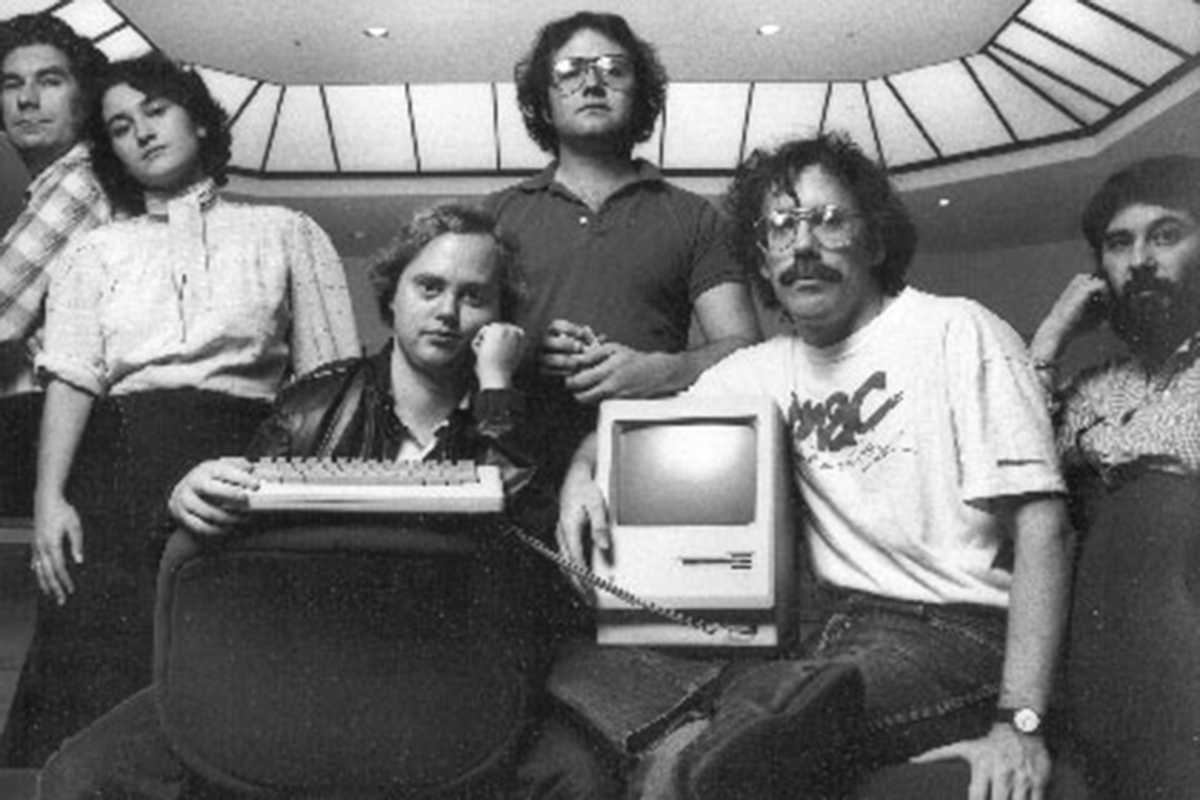
Andy Hertzfeld (center) with the Mac design team (left to right): George Crow, Joanna Hoffman, Burrell Smith, Bill Atkinson, and Jerry Mannock.
Folklore.org
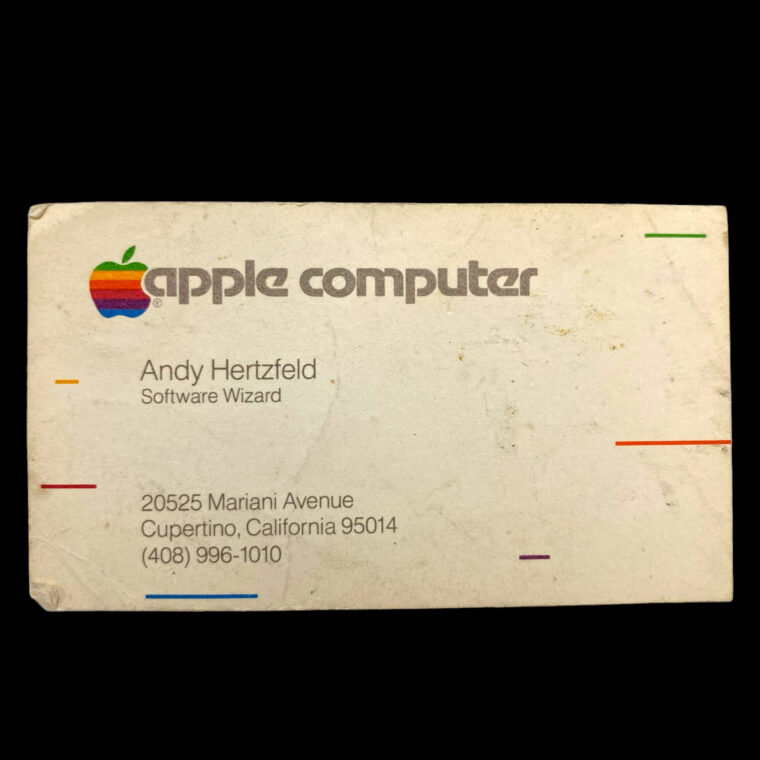
Part of the first wave of fans who became employees, Andy Hertzfeld bought an Apple II in 1978 and never looked back. The following year, he was hired as, according to his characteristically mischievous business card, Software Wizard. In more prosaic terms, this meant writing firmware for Apple’s first printer, large swathes of the original Macintosh’s OS, and much more.
He also, rather charmingly, always seemed to be enjoying himself, as you can see for yourself in a series of anecdotes about the development of the Macintosh on folklore.org, a site Hertzfeld set up for that purpose. The impression that comes across is of someone who couldn’t believe his luck to be having so much fun while working on something which, to use the classic Apple formulation, would change the world.
18. Gil Amelio

AppleWiki
Gil Amelio was Apple’s CEO for just 17 months in the mid-90s (or 500 days, as he poetically describes it in a book about the experience), but his reign was explosively eventful. Desperately trying to right what he reportedly described as “a ship with a hole in the bottom,” he cut costs, slashed employee numbers, and canned the disastrous Copland project, whose own developers at one point gave it a jokey release date of 2030. The latter decision meant, crucially, that it was necessary to buy an OS from elsewhere. Initially tempted by BeOS, Amelio eventually went with Steve Jobs’ NeXT, the right decision, even though he was signing his own death warrant by bringing his successor back into the company.
Frequently forgotten in the pantheon of Apple CEOs, Amelio did his best under almost impossible circumstances and tipped over the dominoes that, a few years down the line, would help shape modern Apple. And, rather endearingly, he’s happy to take the credit for this. “The strategy that we put in place during my term there seems to still be the guiding strategy for the company,” he said in 2001, the year Apple launched the iPod. “To the extent that they continue to stay focused on that plan, they will continue to do just fine.”
17. Rob Janoff
HiltonHilton
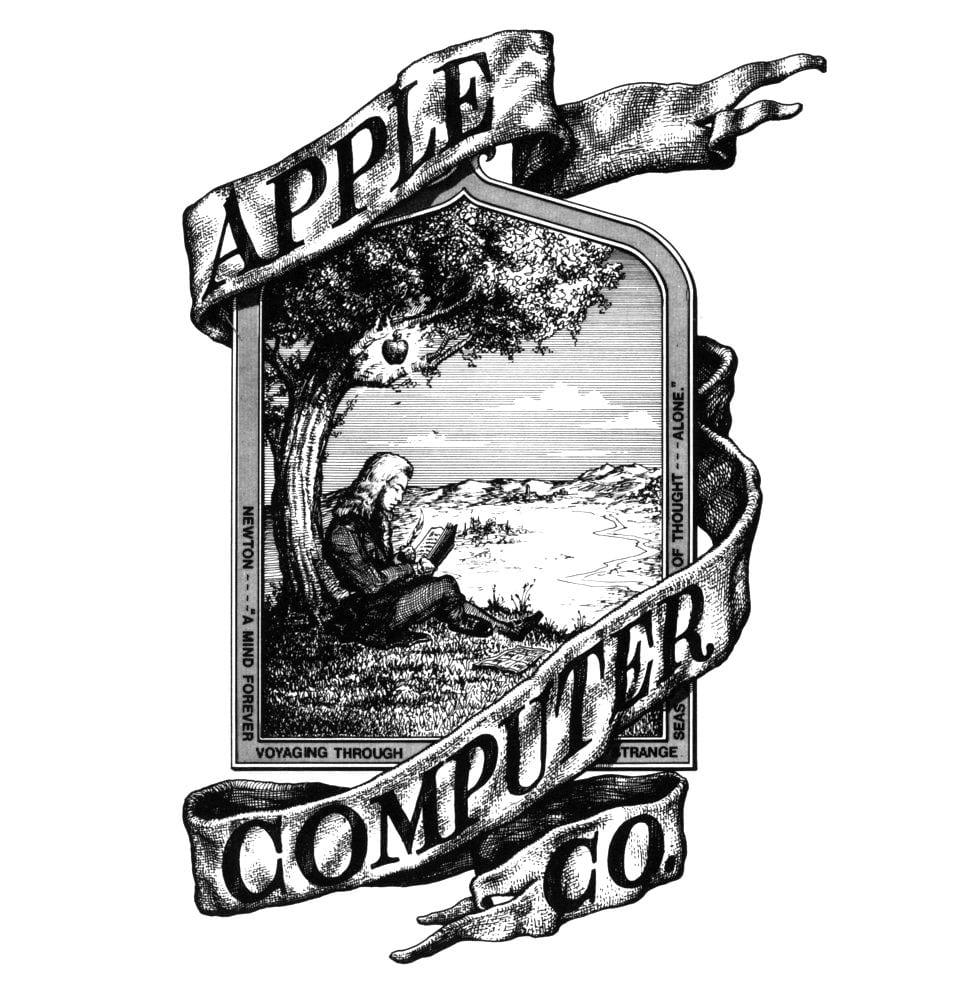
The first Apple logo, designed by Ronald Wayne (No. 27), was pretty but unsuitable. From the billowing scrollwork and gothic ogee arch to the biblical-looking apple and trippy Wordsworth quote, it had far too much going on.
What was needed was something simpler (and “not cute,” according to the brief), and Regis McKenna art director Rob Janoff was the man to do it. He ditched the landscape, the arch, the scrollwork, and the mathematician, and focused entirely on the apple, spending a week sketching a bowl of them until he was satisfied. But something was still missing: an indicator, when the logo was reproduced at smaller sizes, that we were looking at an apple rather than a cherry or other round fruit. And so the bite was born. It’s a measure of the logo’s enduring quality, its distillation of Apple’s essence into a simple and utterly recognisable shape, that the company hasn’t opted for a redesign (other than a new color now and then) in nearly five decades.
16. John Ternus
Apple
It’s a dangerous business, predicting Apple’s next CEO: Jeff Williams (No. 35) and Scott Forstall (No. 23) have both been acclaimed as the heir, and both, for very different reasons, left the company without getting their hands on the crown. So when we say that Apple’s next CEO will probably be John Ternus, bear in mind that nothing is certain.
But Ternus has done plenty to deserve a shot at the top job. Hired back in 2001 as a callow engineer with only a few years of experience (working on VR headsets, as it happens, which would prove useful many years later), he quickly rose through Apple’s ranks. Soon, he was in charge of iMacs; before long, all Macs and iPads; later, he acquired the Apple Watch and iPhones; and eventually, all hardware engineering. He was a key player in the transition from Intel to in-house Mac chips, one of Apple’s most important projects in recent years, and in its development of foldables, one of the most important to come.
A respected engineer, manager, and presenter, Ternus appears to have only one weakness: an excess of affability. “He’s a nice guy,” a former colleague told the New York Times. “Everyone loves him. [But] has he made any hard decisions? No.” If he gets the job after Tim Cook, that’s probably going to change.
15. Bill Fernandez

Bill Fernandez
Mainly remembered as the man who introduced Apple’s founders to each other, Bill Fernandez went on to join the company as its first full-time employee (badge No. 4) and do important work on the Apple I, Apple II, and original Macintosh. Not a bad portfolio. His particular talent was as a Woz whisperer, taking his friend’s ingenious but scatterbrained work and turning it into an organised schematic that could be built at scale. “When [Steve Wozniak] designed something,” he said later, “most of the design was in his head.” It’s fortunate Fernandez was around to get it out.
14. Craig Federighi
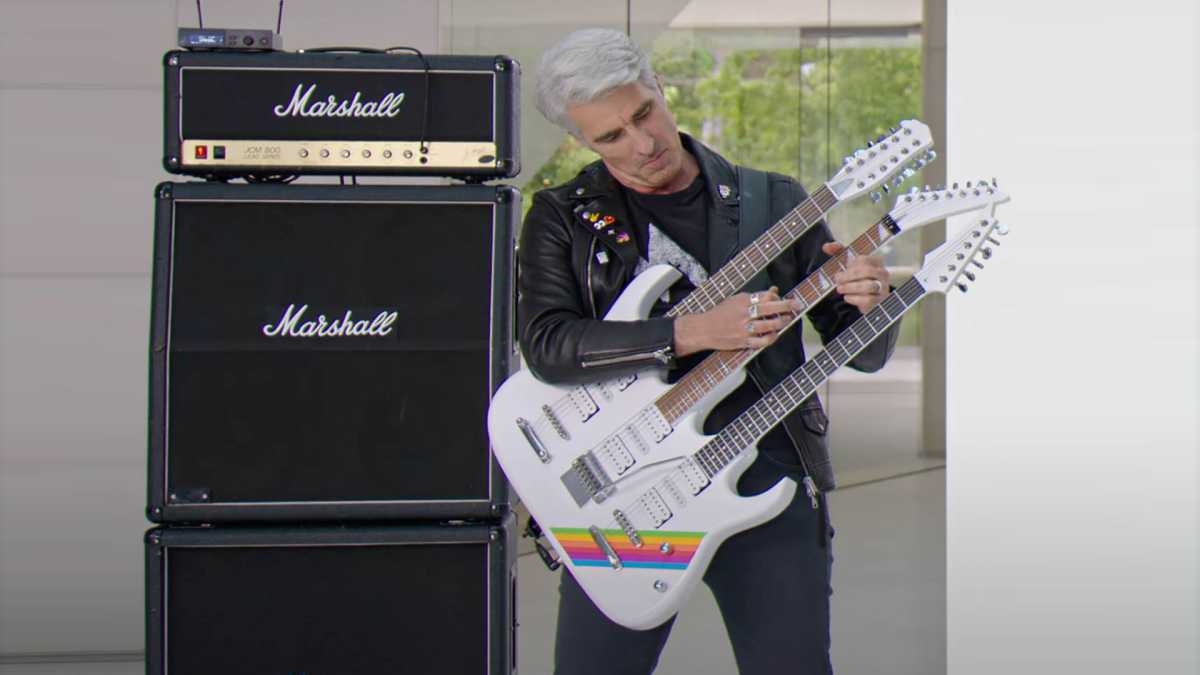
Apple
No one can deliver a keynote quite like Steve Jobs, but Craig Federighi has done his valiant best to fill his shoes. Silly, self-deprecating, and almost comically handsome, the software VP has a very different style from the company’s late founder. But he’s the only one left at Apple who can keep an audience engaged and amused for a multi-hour discussion of operating system updates.
If that seems trivial… well, perhaps it is. Federighi is certainly fond of cringe-inducing banter, and it’s worth noting that since he took over iOS in the wake of the Apple Maps debacle, the error rate does not appear to have substantially decreased. But as Mike Markkula (No. 20) taught us, presentation matters.
Federighi is the last of Apple’s big personalities; with the departure of Jony Ive in 2019, he became its last public figure known to stand for something other than running a steady ship. He is not Apple’s greatest logistical mind, nor, I imagine, would he claim to be its sharpest technical expert (although his interviews and public discussions are always illuminating and insightful). But he surpasses the entire company in enthusiasm and infectious passion, and without those gifts, Apple would be a less successful as well as a duller company.
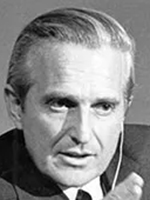
13. Douglas Engelbart
Getty Images
Apple, the popular narrative goes, stole Xerox’s ideas for personal computing, then did a better job of commercializing them. But long before the concept of a windowed interface navigated with a mouse made its way to Xerox PARC, it spent a while marinating (along with a certain amount of LSD) in the brain of Douglas Engelbart.
Engelbart, who had been a radar technician during World War II, dreamt up a sort of proto-internet as early as 1950, picturing a network of computers running graphical user interfaces. In the 60s, he invented the mouse, along with hyperlinks, word processors, and numerous other foundational concepts, and presented the lot in a 1968 demonstration that has since become so legendary that it’s known as The Mother Of All Demos. He won the A.M. Turing Award in 1997, having influenced an entire generation of inventors. “I don’t know what Silicon Valley will do,” Alan Kay once said, “when it runs out of Doug’s ideas.”
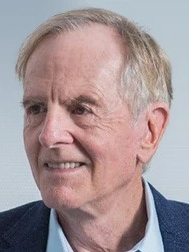
12. John Sculley
Wharton School
Before he joined Apple as its third CEO, John Sculley made a name for himself performing marketing miracles at PepsiCo. Central to the success of the Pepsi Challenge and Pepsi Generation campaigns, as he explained to Steve Jobs during their protracted pre-hiring courtship, was the decision to sell a lifestyle rather than a product. “I think Apple’s got a chance to create an Apple Generation,” Sculley said. If Jobs didn’t already think he was the man for the job, that would surely have settled the matter.
It’s debatable how much credit Sculley deserves for Apple’s subsequent mastery of lifestyle marketing. Many would instead give the kudos to those in more focused roles, such as Guy Kawasaki (No. 28), who joined the company the same year. But it happened on his watch, as did many other achievements for which he receives little recognition: the desperately needed pivot away from reliance on the Apple II; the blockbuster launch of the Macintosh; and the development and release of the PowerBook and Newton all led to an eight-fold increase in revenue across the decade he was at the company.
Sculley was a flawed CEO in many ways, not least in his utter inability to manage Jobs or even recognise that the younger man was constantly manipulating him. He made mistakes and was ultimately a sales guy rather than a product guy; by 1993, it was time to move on. But his tenure (what my colleague Jason Snell calls the Corporate Era) was a significant and largely successful chapter in Apple’s story, and for that, he deserves to be remembered a little more fondly.
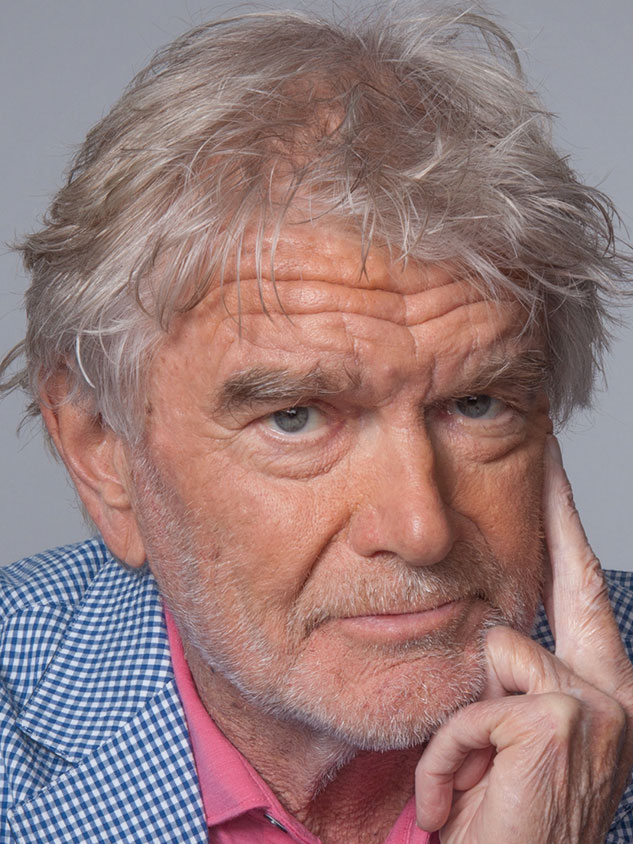
11. Hartmut Esslinger
WDO
Apple products proudly proclaim that they are designed in California, but the man who started that convention was born roughly 6,000 miles away from the Golden State. In the early 80s, Steve Jobs instigated a project, codenamed Snow White, to find someone to do for Apple what Dieter Rams (No. 22) had done for Braun: establish a consistent visual identity, a design language. He chose the intense Bavarian Hartmut Esslinger. With the gift of Applean outsider’s perspective, Esslinger came up with the idea of “California global,” a clean, curvaceous look inspired by Hollywood, rebellion, and sex appeal. Jobs was delighted, and personal computers would never look the same again.
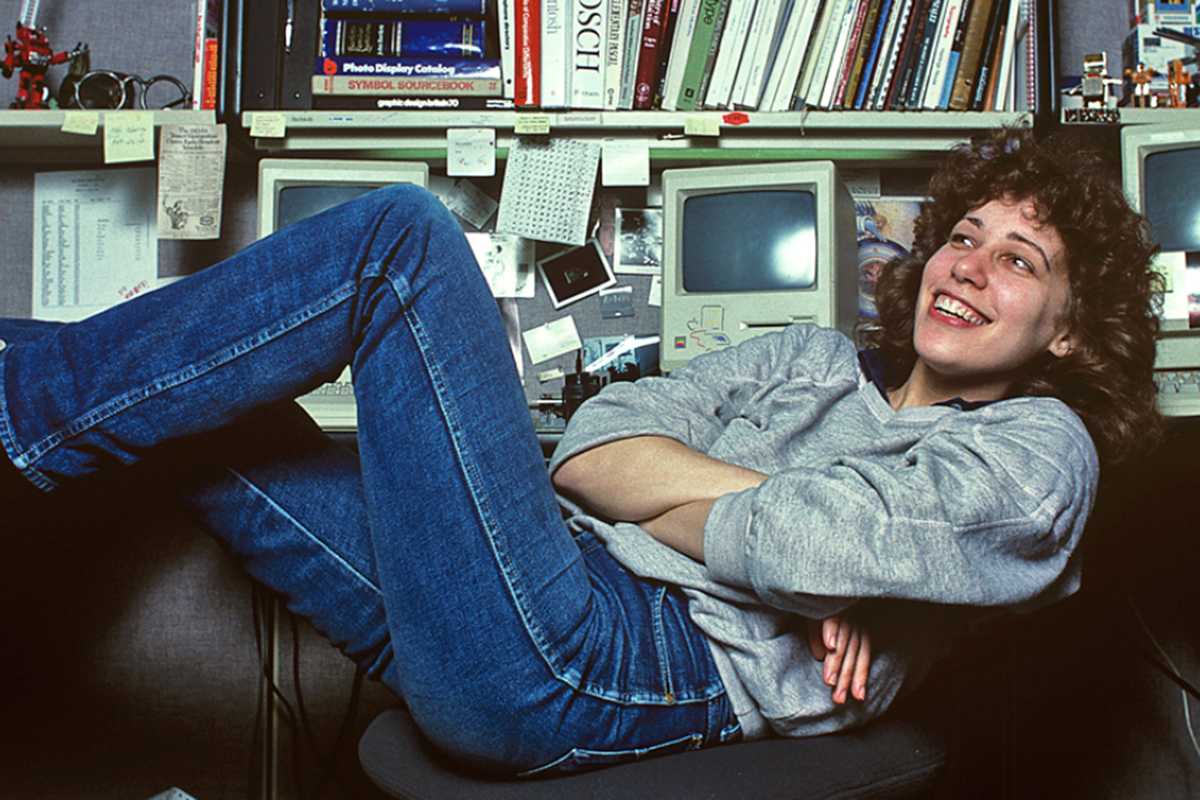
10. Susan Kare
Norman Seeff
It’s always been a key part of Apple’s ethos that the details matter, and no one embodies this more than the pioneering pixel artist and interface designer Susan Kare. Hired in 1983 as the official Macintosh artist despite an understandable lack of experience in the field (she later said it was a privilege to be the one non-technical person working within a highly technical group), Kare created icons, typefaces, and numerous graphical elements that established a decades-long identity for Apple.
The Chicago, Geneva, New York, and Monaco fonts are all her work, as are such GUI essentials as the grabber, the lasso, and the paint bucket. And of course, who can forget Clarus the Dogcow and the Happy Mac?
If it’s on a Mac screen and seems playful and welcoming, there’s a fair chance that it was either designed by Susan Kare or inspired by her work. She is, in the words of the U.K.’s Centre for Computing History, “one of the most influential designers in the history of personal computing.”
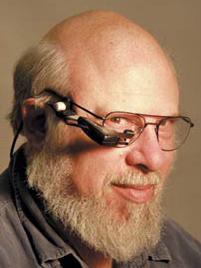
9. Jef Raskin
Folklore.org
Jef Raskin, known as Jeff until he pruned the second F in a fitting display of minimalism, had a secret academic background. But he was no ivory-tower elitist. Raskin believed passionately in bringing computing to the people, an idea he explored in a 1980 essay that ranged from dry logistics to social analysis. “Will they foster self-education?” he wondered. “Is the designer of a personal computer system doing good or evil?”
Unsatisfied with theory alone, and presumably relaxed about the good/evil thing, Raskin proposed to his bosses at Apple a product that could help to bring about the revolution he sought. That product’s name was the Macintosh. For the project’s first year, he was its sole supervisor, recruiting the team and even naming the product after his favorite apple, the McIntosh (though in order to avoid legal issues, he added a telltale letter).
Raskin would later lose control of the project after Steve Jobs was kicked off the Lisa team and decided the Mac looked more fun anyway. Which may have been for the best, given Raskin’s skepticism about using a mouse and GUI, and the feats which would be achieved under new management. The final product was a Jobs special. But the original vision was all Raskin’s.
8. Ken Segall
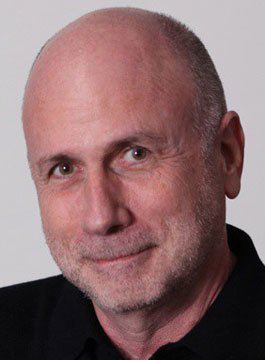
Gordon Poole
It seems unbelievable now, but Steve Jobs took an instant dislike to Ken Segall’s suggestion of iMac as the name of Apple’s next computer and gave the Chiat/Day creative director 48 hours to think of something better. Jobs’ own choice was the horrific “MacMan;” Segall diplomatically describes the agency’s reaction to this as “a bit taken aback.” (Then again, Jobs once tried to rename Jef Raskin’s Macintosh project the Bicycle, so it could have been worse.)
Happily, Segall got his way: “We saved the world from MacMan,” as he puts it. And he thereby established one of technology’s most powerful and economical branding conventions. Apple stopped using the “i” on new products after the iPad in 2010, but its website is still dominated by the iPhone, the iPad, and indeed the iMac. A surprising number of people, in fact, missed the memo and continue to think Apple Watch is called the iWatch, and still search for news of the iCar and iTV.
Perhaps it’s unfair to focus so much on the name iMac; as Segall joked in 2014, “I have written longer things than that, but for some reason nobody remembers.” He also ran the “Think Different” campaign, co-wrote the “Crazy Ones” monologue with Jobs and Lee Clow, and worked on the NeXT account from the late 80s. But any amount of sterling ad work will struggle to compete with that one little lower-case letter.
7. Jerry Manock
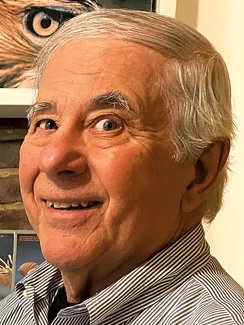
Seven Days
Acclaimed nowadays as the father of Apple’s influential Industrial Design Group, Jerrold “Jerry” Manock started off as a mere consultant, agreeing to prepare working drawings of the Apple II for $1,800. It occurred to him, far too late, that he probably should have asked for a fee per unit sold. “You can’t ask for royalties after you’ve delivered the work,” he admitted in 2012, “so it was totally stupid and naive on my part.”
No matter, because a full-time job and further glory quickly followed. He helped to shape the Apple III, Lisa, Disk II, and Disk III drives, and (in more of a supervisory role, with much of the actual designing done by Terry Oyama) the Macintosh. He got his name on half a dozen patents, including one for something called a personal computer. And he always kept in mind a lesson from Stanford, which he called the profundity factor: “Is what you’re doing going to make any difference in the world?” It did, Jerry. It really did.
6. Jon Rubinstein

Amazon
Apple was at its lowest point in 1997, and Steve Jobs was in no mood to waste time. In the months after Apple acquired his company NeXT Computing, but before he had any official power, Jobs maneuvered rapidly behind the scenes to install people who could turn the ship around. And one of the first names on his list was Jon Rubinstein, who was on the Scottish island of Skye when he received the call. “Apple needs some help,” Jobs said. “Do you want to come aboard?” The answer, fortunately, was yes.
Ruby had run hardware engineering at NeXT (he led the doomed RISC workstation project) and was slotted into the same role at Apple. But it was rather more of a challenge. In the early years, his management skills were put to the test as he helped to simplify the company’s structure: before him, teams worked in isolation and frequently duplicated work, or released products that weren’t compatible with one another. He also cut costs and streamlined product lines, seeking the focus that has always been the hallmark of Apple at its best.
That Rubinstein achieved all of this would be impressive enough. But he was a product guy, not just a manager, and had a hand in several of Apple’s most important releases. He assembled and ran the iMac team and made several calls critical to its success, including the use of USB and the absence of a floppy disk drive. Then Rubinstein repeated the trick with the iPod, a product that seemed technologically impossible until he visited Toshiba and saw a 5GB drive the size of a silver dollar. “I know how to do it now,” he told Jobs. “All I need is a $10 million check.” It was money well spent.
5. Tony Fadell

Apple
After Rubinstein retired (presented with the ultimatum “It’s him or me,” Jobs chose Jony Ive), his former role as VP of the iPod division was given to Tony Fadell. Which felt fitting, because Fadell was the *other* father of the iPod.
It’s debatable who deserves more credit. Rubinstein would argue that he set up the project and sourced the components before recruiting Fadell to simply put it all together. Fadell would point out that he was the one with experience in building music players and the one who created the concept and the design. (Before he arrived, he claims, “there was no team, no prototypes, no design, nothing.”) The truth is probably somewhere in between: they were both key to the success of Apple’s crowning achievement, the project that would take the company to the next level. But history now seems to be veering towards the view that Fadell was slightly *more* key.
The other reason why I’m ranking Fadell one place higher is a comparison between their non-iPod work. Rubinstein made the iPod and the iMac. Fadell made the iPod and the iPhone: an almost impossible resume to beat. (If not for the remaining four people on this list.)
4. Sir Jony Ive
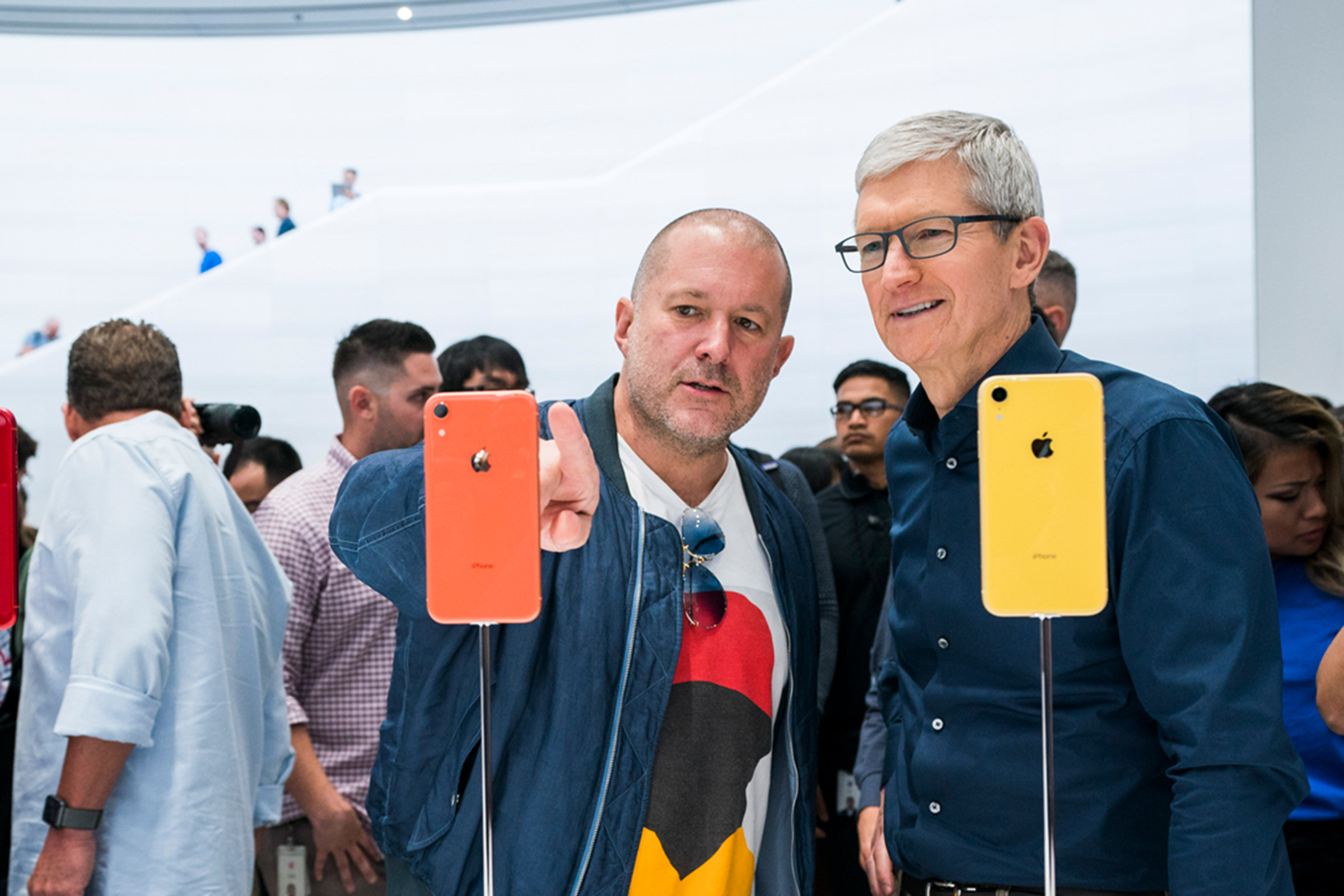
Jony Ive, left, admires the iPhone 5c with Tim Cook in 2013.
Apple
When Jobs returned to Apple in 1997, his first instinct was to purge the “bozos” hired by Sculley and Amelio and replace them with A players from NeXT or elsewhere. But who should lead the in-house design shop? He considered a couple of eminent European car men: Richard Sapper (who was then working for IBM, but started out at Daimler-Benz) and Ferrari’s Giorgetto Giugiaro, who also designed the DeLorean from Back To The Future. Either would surely have done a good job.
But Jobs quickly realised he had a better option in-house: the soulful Brit (and passionate car enthusiast, coincidentally) Jonathan Ive, who was on the verge of quitting in disgust at Amelio’s obsession with profit. That plan changed after the two bonded over their shared design values, their opinions on materials and costs, and the importance of details. Their fruitful working relationship would go on to define Apple’s golden age.
Every major Apple product from 1997 to around 2015 (Ive officially left in 2019, but probably quiet quit some time earlier) has Ive’s fingerprints all over it. The iPod, iPhone, and iPad would not be the same without him; the iMac, MacBooks, and Apple Watch would be pale imitations of themselves. That’s without mentioning his later involvement in Apple’s OS interfaces, his tireless work on the Apple Park project (he even designed the elevator buttons), and his much-missed, gnostic presence at events, intoning design edicts from a mysterious white room. For the best part of two decades, Jony Ive was Apple, and Apple was Jony Ive.
3. Steve Wozniak

Foundry
Like so many successful ventures, Apple started out as a partnership between two people who were both similar and very, very different. Jobs and Wozniak shared a fascination with electronics, pranks, and music; both tended to be loners, even though one had natural charisma and the other a likeable, gregarious nature. They were in many ways kindred spirits. But the real reason the partnership worked was because of their differences.
As well as being considerably kinder, Woz was by far the better engineer of the two: he created the chip design for the classic video game Breakout in just four nights, while theoretically holding down a job at HP during the day. Early Apple would have been nothing without his skill, and the imbalance between their technical ability was so severe that Jerry Wozniak confronted Jobs to demand that his son receive a bigger cut of the profits. “You don’t deserve shit,” he said, according to Walter Isaacson. “You haven’t produced anything.” Woz, however, understood that while he was building the products, Jobs was building the business. Apple couldn’t have one without the other.
In the long term, it became apparent that engineering skill was easier to replace than business vision, and Woz would be eased out of the company he founded. These days, he’s a sort of wayward mascot, wheeled out from time to time to comment or complain about Apple’s latest offering, receive yet another honorary doctorate, or appear on a hit television sitcom. But he deserves a little more respect. Because without his engineering brilliance, not to mention his patient acceptance of his partner’s many flaws, Apple would never have had a chance to become the behemoth it is today.
2. Tim Cook
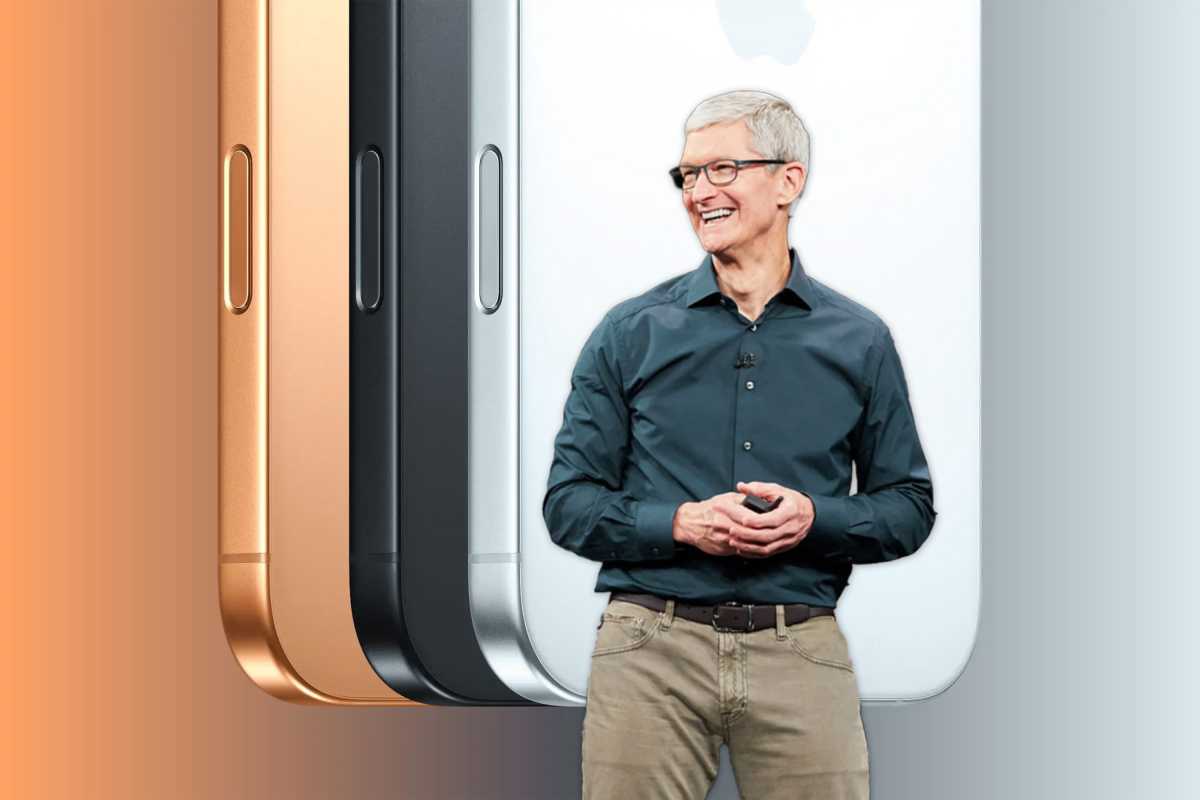
Foundry
When Cook took the reins in 2011, Apple was enormously profitable, and it would be easy to think his job was therefore easy. This ignores the fact that Apple’s profitability at that point was already indebted, so to speak, to the important but invisible work he had done as COO, honing supply chains, reducing inventory, and lowering costs. And also misses the looming icebergs he has so far helped Apple to avoid. In 2011, the company faced growing regulatory pressure, increasing competition, and an unhealthy reliance on the iPhone. It had no product in several burgeoning sectors. And it had just lost its magnetic, beloved founder and leader. Things could easily have gone wrong.
But they didn’t. Apple continued to bring new products to market: nothing with the cultural impact of the iPhone, but major successes such as the Apple Watch and AirPods, and bold experiments such as the HomePod and Vision Pro. Cook grew services revenue (while still making crazy money from the iPhone), handled the changes mandated by regulation or threat of regulation with a carefully calibrated blend of accommodation and stubbornness, and gradually made Apple’s products more amenable to user customisation. And during his tenure, the company’s profits have roughly doubled, while its market cap has ballooned. He has achieved a phenomenal amount.
Cook has also, lest recent events cause us to forget, advocated for LGBTQ rights, defended the DACA immigration program, and encouraged Apple to become more environmentally conscious (see Lisa Jackson, No. 24). Apple remains a fierce and demanding employer, almost certainly too demanding, but by all accounts, he treats his staff with a great deal more grace and kindness than his predecessor.
Rumored to be nearing retirement, Cook’s cozy relationship with the current U.S. administration may be looked upon as a blot on his record, although I suspect historians of the tech industry will recognize it as an attempt to do what he has done throughout his time at Apple. Which is to say, whatever is best for the company.
1. Steve Jobs
Apple
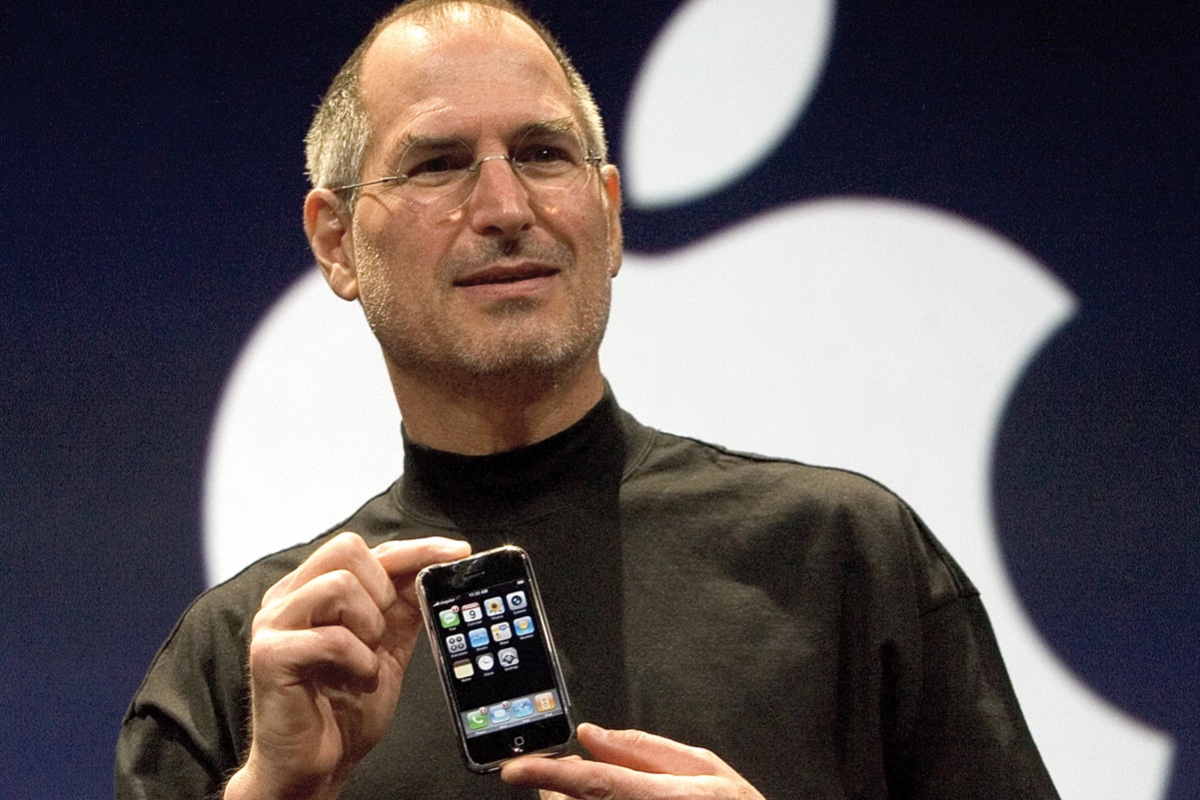
I briefly considered bumping Steve Jobs to No. 2 in recognition of Tim Cook’s achievements, and even more briefly thought it would be funny to name him as zero in honor of his old Apple badge number. But in the end, it was always going to be Steve Jobs at No. 1.
Of the 49 entries above, 28 contain at least one mention of Apple’s charismatic founder. In researching this article, I found him almost unavoidable: Jobs bestrides Apple’s history like a colossus. Even when he was offstage, such as the wilderness years from 1985 to 1997, Apple fans kept wondering what he was up to, if he would return, what he must think of his usurpers’ feeble efforts. He was, in this sense, Apple’s Poochie.
As we’ve seen, Jobs had many flaws. He was aggressive, domineering, manipulative, and often cruel; Andy Hertzfeld (No. 19) describes him as “anti-loyal.” Bizarrely, two fellow tech journalists have separately told me anecdotes in which he physically knocked them over. It is, in short, almost incredible that such a difficult and unreasonable man should have inspired adoration around the world. Yet he did, because his flaws were offset by a rich array of gifts.
As a manager, he could drive employees to feats of brilliance they never would have believed were possible. (That is, when he wasn’t driving them to despair.) Shown a product, he could instantly and ruthlessly pick out what needed to change in order to make it great. From anyone else, Jobs’ belief that he knew what customers wanted better than they did would seem arrogant; in his case, it was just factual. He was, somehow, a master of both the details and the big picture. He was a visionary: the unreasonable man who refuses to adapt himself to the world, and instead adapts the world to him. As he always wanted, he left a dent in the universe.
Jobs was there at the start of Apple’s story, and through the people he employed and the values he instilled, he continues to influence it today. As I hope I’ve shown, Apple is and always has been a collaboration, and thousands of talented people have made contributions over the past 50 years. No single person can take sole responsibility for Apple’s achievements. But if I had to choose… it would have to be Steve.