Privacy used to be a default feature of technology. Computers didn’t know who you were. Nor did any of the other appliances and devices living in our homes.
I can’t say the same in 2026. Convenience is now eating privacy alive—and few people are aware. (Who can blame my friends and family for tuning me out when I sound like gloom and doom?) But this past week, we’ve had two examples that show just how times have changed.
Welcome to Safe Mode, your weekly report for pressing security and privacy news—and what steps to take next. Want this newsletter to come directly to your inbox? Sign up on our website!
Most recently, Microsoft announced a new API for Windows—”Windows Age API.” Normally, developer talk lacks buzz for us consumers, but this embedded support for age verification upends decades of expectations. Before, user anonymity was the baseline. Windows had no centralized system for checking age. But now, this API will unify and streamline that process across everything Windows touches, including apps and services.
The idea is to simplify age protections for parents and developers—reducing the need for parents to comb through individual app settings, and for developers to program their own age verification systems. Apps and services can query Windows to see if a Microsoft account owner is old enough.
But to set that age, Microsoft will require information it’s never previously asked for—either a selfie (for estimation of age based on your face), document upload, or logging into a government digital identity platform (e.g., Singpass) where applicable. And that data may pass through multiple hands—Microsoft lists two partners who handle the verification process, Yoti and Verifymy.
Meanwhile, on the less personal yet creepier side of the spectrum, LG found itself as hot news, thanks to an investigative report focused on its smart TVs. Just before Labor Day, YouTube channel Gamers Nexus published a two-hour video detailing how LG televisions capture info on all devices connected to your home network; record audio conversations; and monitor what you watch on the TV. And none of the behavior requires an internet connection to activate.
LG
In response to these damning accusations, LG released a statement to defend its TV features. The scanning helps with connecting to nearby devices. The other features must be opted into by users. Otherwise, its TVs do not collect or record conversations.
LG may actually not intend to spy on customers—at least, not in the way people could think after watching the Gamers Nexus video. But functionally, smart TVs do just that. The collection of information happens silently, its scope broader than most people realize. More granular, too. For example, Automatic Content Recognition (ACR) samples video and audio from what you watch to figure out your viewing habits. You can be disconnected from a streaming service but still monitored anyway.
Of course, you can take steps to reduce the surveillance. And many people will say they don’t care, as they have nothing to hide. But these Microsoft and LG examples show the problem with modern technology: the lack of transparency.
The more our devices adapt to us, the more companies observe us. And yet, they wrap their efforts in soft-touch marketing language. No one wants to leave children defenseless against online predators. No one wants to think they’re constantly being studied by strangers.
So no one stops to ask if sensitive data is being collected, much less the amount. Nor ask who gets to see the info. Companies end up with intimate details about you. They learn things that used to be reserved only for governments on one end of the spectrum, and those who lived with you on the other. Then they share those details.
Without knowing exactly the how, what, and when of data collection, you can’t make an informed decision about how, what, and when you choose to share about your life. You won’t know much about a company’s partners, or even bother to consider when visiting friends what smart devices they own, much less which features they use. You’ll probably get caught in a data breach that happens to a company you’ve never heard of.
In today’s world, we now must spend increasing time and energy—if not outright cash—toward preserving our privacy. I’m starting to think of it as a luxury feature that’s becoming rapidly harder to afford.
In the news
Hackers keep notching their belts with more leaks and exploits—all while AI agents crank up general chaos online. In particular, if you’re a driver in the U.S., watch out for scams and phishing attempts related to your license info.
Mira Kireeva / Unsplash
The bad:
- Famed hacking group ShinyHunters says it breached Florida’s DMV database, stealing 200K records. This news comes on the heels of 153 million U.S. and Canadian driver’s licenses leaking to the dark web, making it the second hit to drivers this month. Again, lock down your credit, banking, and tax info asap.
The ugly:
- AI companies continue to share discoveries of their AI agents escaping and plotting on the open web. In particular, OpenAI recently shared how its AI agents took over an old German-language wiki to help each other escape their sandboxes. Just one more thing to watch for on the web—community spaces may become increasingly filled with bots.
The fascinating:
- Nightmare Eclipse is still beefing with Microsoft, this time disclosing another Defender zero-day exploit—one that bypasses the fix just issued for an earlier vulnerability also discovered by Nightmare Eclipse (“ShieldBreak”). This cat-and-mouse game ultimately benefits Windows users, with a bit of entertainment thrown in on the side.
Tip of the week
Thomas Joos
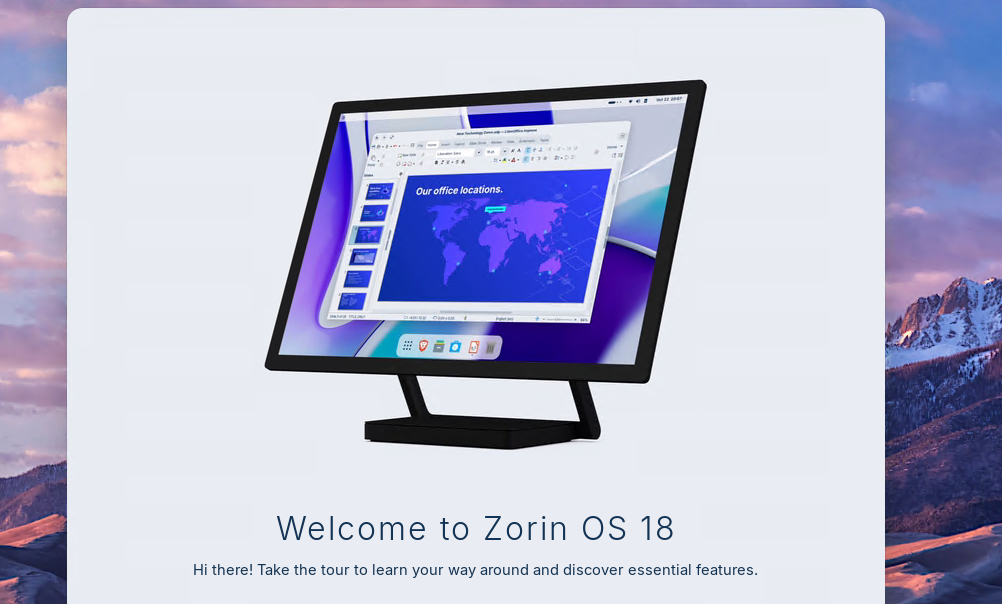
Want to stay more anonymous while using your PC? If you’re up for trying a new operating system, Linux may be a worthwhile alternative to Windows (and Microsoft’s greater accommodation of age verification mandates). For now, this free, open-source software isn’t required to verify user identities.
You can get started by trying a version of Linux (“distros”) that looks and feels more like Windows. Two that get most recommended are ZorinOS and Mint. Of the two, ZorinOS will feel more modern and familiar, but Mint shines in its rock-solid performance and stability.


