Travel is usually fun, especially during the summer when everyone’s on vacation. So it can be easy to leave cybersecurity worries at home, too. Unfortunately, bad actors don’t take a break. In fact, they’re counting on your lax habits.
But with a few small adjustments, you can get right back to enjoying your time off worry-free. These four in particular tackle issues that keep popping up in the news—and they’re pretty easy to deal with.
Keep your boarding pass private
rdne / Pexels
Your boarding pass can reveal a lot about you. For starters, airlines encode more information into the barcode than shown on the pass—details like your birth date, passport number, and frequent flyer number.
And if you’re flying Frontier Airlines? Well, turns out anyone with a copy of your QR code can pull sensitive info stored in your account like stored credit card number, physical address, TSA PreCheck number, and passport number by making a request to an API powering the company’s website.
Even outside of identity theft issues, someone with eyes on your boarding pass can troll you hard. Armed with your full name and confirmation code, they can change your flight details or outright cancel your reservation.
The takeaway: Shield your screen or printed ticket from everyone but the gate agent. And definitely don’t post an image of your boarding pass on social media.
Avoid public PCs
Josh Sorenson / Unsplash
Using a shared PC at a hotel (or any public place) carries risk. These computers can be compromised with malware that capture everything typed, including passwords. Or help a hacker gain separate access to any accounts you’ve logged into.
You can leave a digital trail through printed documents, too. Some printers retain a copy of print jobs—and whatever personal info are in them.
The takeaway: Skip public PCs and printers as much as possible. If you absolutely must use a public PC, use an incognito browser window and login with a passkey instead of a password.
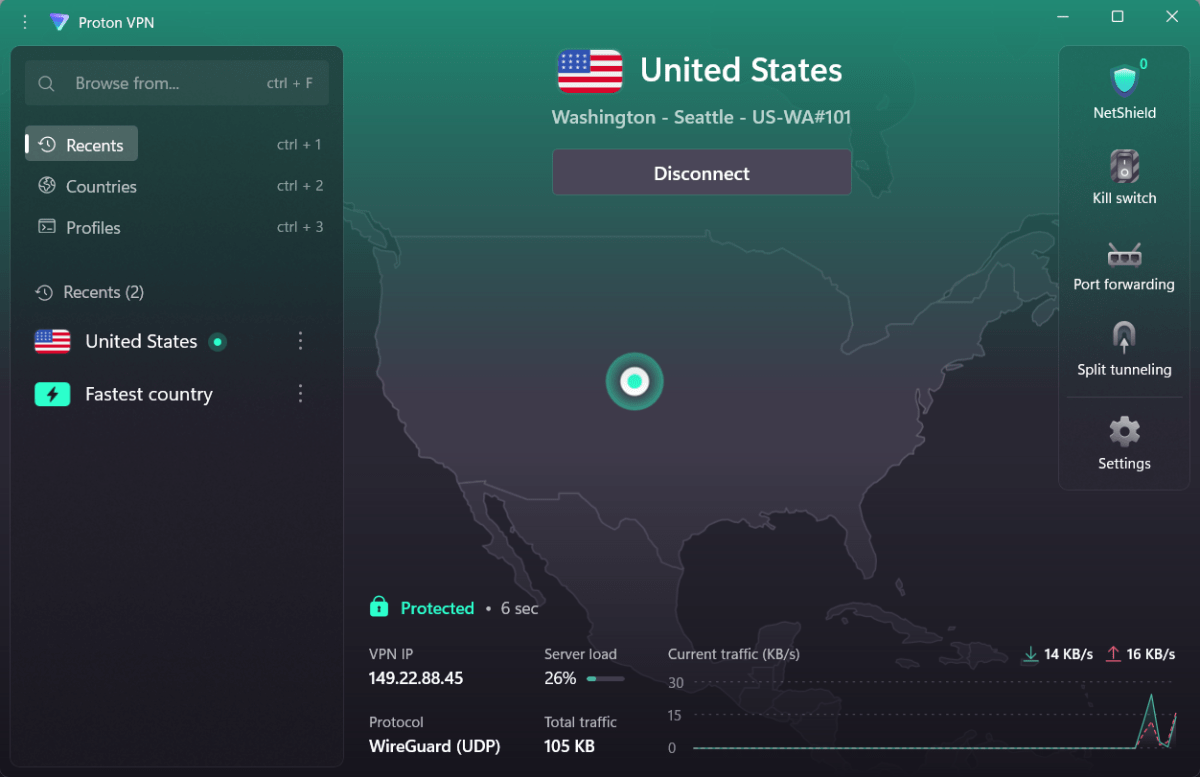
Use a VPN on public Wi-Fi
Sam Singleton
Public Wi-Fi can be dangerous for two reasons. First, other people on a legit network with you could try to spy on your activity. Second, you accidentally connect to a fake free Wi-Fi network.
In the first scenario, the risk of you losing sensitive data to a hacker is lower these days. Most website connections are now encrypted by default. But a handful still rely on unencrypted connections for some activity, so the risk isn’t zero.
As for bogus fake Wi-Fi networks, you can end up sharing login details through phony sign-in pages, or even have malware pushed to your device.
The takeaway: Use your cell data for sensitive business, like banking or medical needs. When that’s not possible, use a VPN when connecting to public Wi-Fi. A good VPN acts as a shielded tunnel, encrypting all your activity and hiding the sites you’re visiting from any network observers.
Use your own USB charger
mike winkler / unsplash
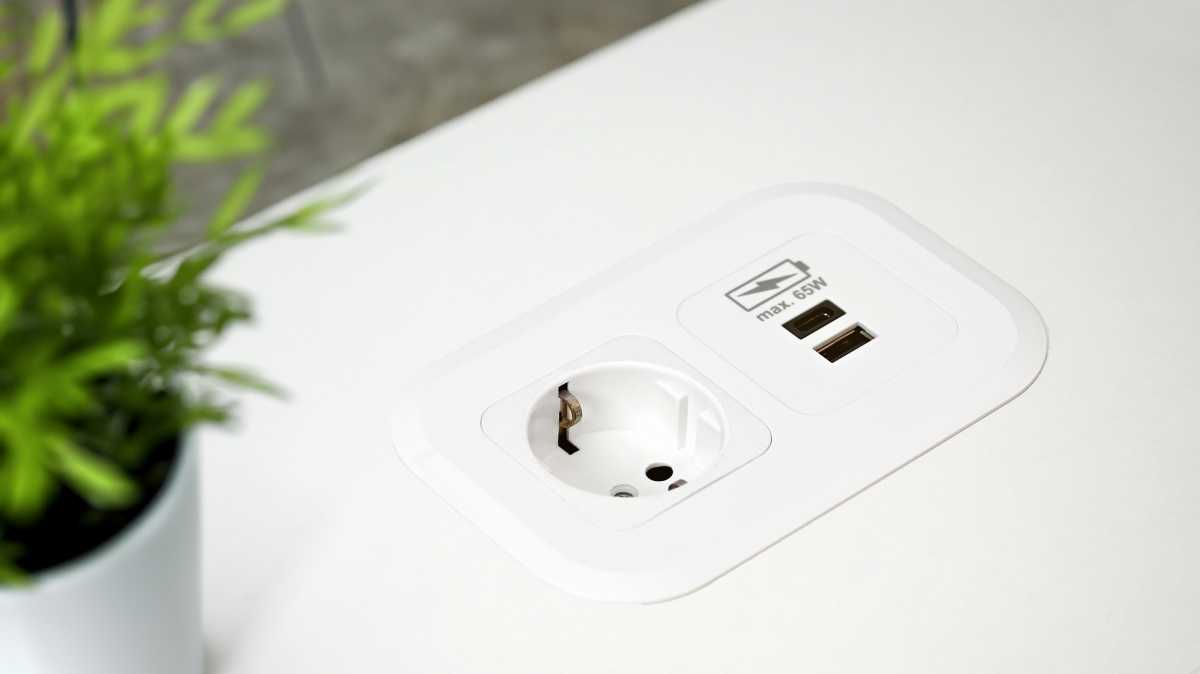
Ever heard of “juice jacking?” It’s a scary-sounding but less common tactic used to access saved data on a phone—or to put malware on one.
Juice jacking works like this: a hacker modifies a USB charging port found at airports, hotels, and other public places. When you plug in your phone, you potentially become vulnerable to attack. And making matters more complicated: Security experts keep giving conflicting opinions on how big a threat juice jacking really is.
The takeaway: Just use your own USB charger. Doing so has double benefit: You don’t need to worry about juice jacking or electrical harm from a bad charger. (I’ve shorted a connector on a phone using a low-grade charger. That sucked.)
Not an option? Power off your phone before using a public charger, as a safety precaution.


