Summary created by Smart Answers AI
In summary:
- Macworld examines Apple’s most transformative decade from 2006-2015, covering revolutionary products like the original iPhone, iPad, MacBook Air, and Apple Watch that reshaped entire industries.
- Key innovations included the 2006 Intel processor transition, the game-changing App Store launch in 2008, and the iPad Pro with Apple Pencil in 2015.
- This period transformed Apple from a Mac and iPod company into a global technology powerhouse with an integrated ecosystem spanning smartphones, tablets, and wearables.
Apple turns 50 years old this week, not a bad achievement for a scrappy startup formed in Steve Jobs’ family garage. The company has gone on to change the world many times over, but it was the years between 2006 and 2015 that perhaps left the biggest impact.
The decade from 2006 to 2015 marked one of the most transformative periods in Apple’s history. In just 10 years, Apple evolved from a company known for the Mac and iPod into a global technology powerhouse with a tightly integrated ecosystem of hardware, software, and services designed to work seamlessly together.
During this period, Apple made bold moves, launched revolutionary products, and tapped into new markets. By the end of 2015, Apple was no longer just a computer maker or even a phone company. It had become one of the most influential technology companies in the world, setting the stage for the next era of innovation. From Intel-based Macs to the ultra-thin 12-inch MacBook, here are Apple’s top highlights from 2006 to 2015.
June 2006: Intel transition
Foundry
In 2006, Apple completed the transition of its Mac lineup from PowerPC processors to Intel chips, a move first announced by Steve Jobs a year before. By that time, Intel chips had become much more efficient and powerful than the PowerPC processors that had been used since 1995.
The change not only allowed Apple to design thinner and lighter Macs, including the first MacBooks, but also led to cross-platform tools and compatibility such as Boot Camp, which enabled Mac users to run Windows natively for the first time. It was also remarkable how Apple transitioned its entire Mac lineup within a year.
At the time, the move seemed radical, but it helped modernize the Mac and keep it competitive in the rapidly evolving PC landscape.
January 2007: iPhone
Apple
It’s impossible to walk through Apple’s history without stopping at the first iPhone. When Steve Jobs announced the iPhone in 2007, Apple wasn’t just unveiling another new product. It was transforming the entire industry.
The iPhone amazed everyone who watched its unveiling keynote. It was unlike any other smartphone on the market at the time. Physical plastic buttons gave way to a glass-covered multitouch screen. Poor mobile software was replaced by an operating system built on the foundation of macOS. The need for a stylus was eliminated by multitouch.
The iPhone generated a ton of excitement, but it wasn’t exactly an instant hit, and it faced a lot of criticism at the time. The GSM Edge network could be painfully slow. Some found web apps underwhelming, others weren’t sold on the idea of a smartphone without a physical keyboard, and many felt it was too expensive. Still, the device showed tremendous promise.
In just a year, Apple addressed most of the complaints about the iPhone. It doubled the storage capacity, launched a new model with 3G connectivity, and introduced the App Store, which proved to be a turning point not only for Apple, but for many businesses that exist today solely because of the iPhone.
September 2007: iPod touch
Foundry
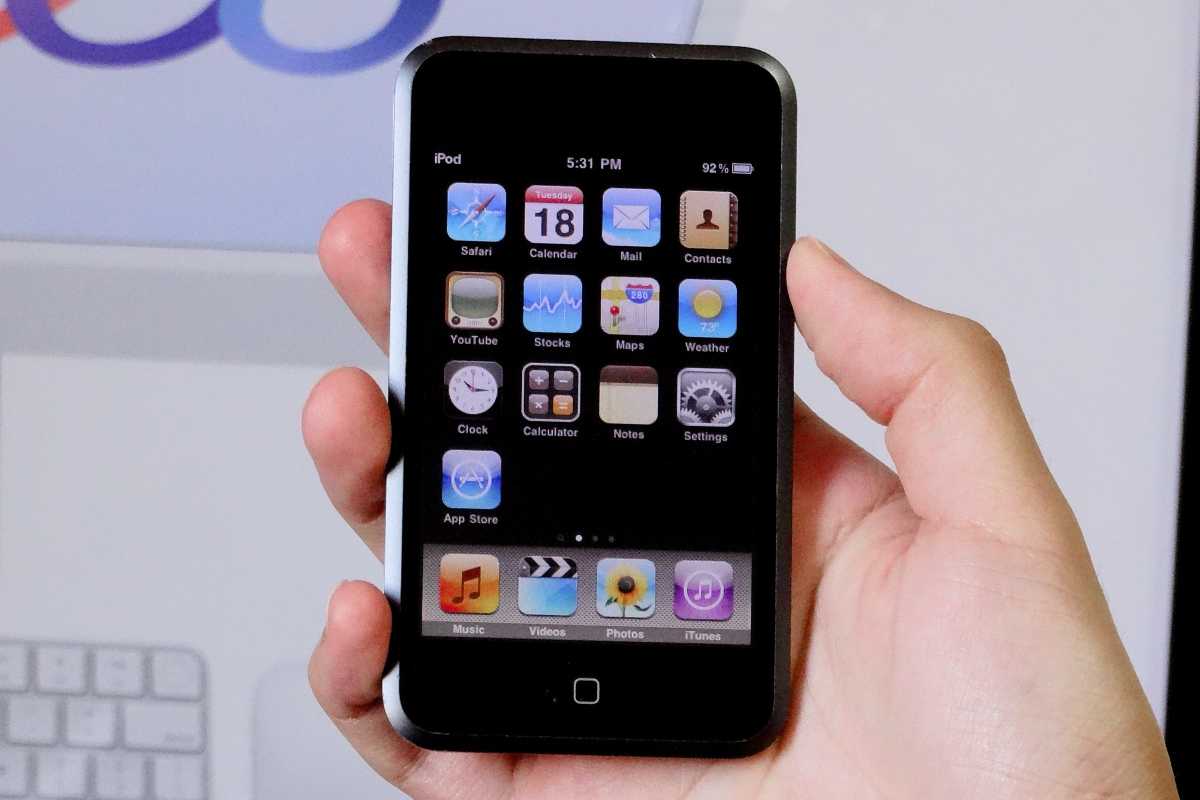
There’s another factor that has helped the iPhone ecosystem become such a success. Later that same year, Apple introduced the iPod touch, essentially an iPhone without the phone.
Since the iPod touch was much cheaper than an iPhone and didn’t require a carrier contract, it served as a gateway for many people to try out what was then known as iPhone OS. The device gave users access to many of the iPhone’s marquee features—iTunes, Safari, YouTube—over Wi-Fi, without requiring a pricey cellular contract.
For many younger users, the iPod touch became their first Apple device, helping expand Apple’s ecosystem and introducing a new generation to iOS.
July 2008: App Store
Apple
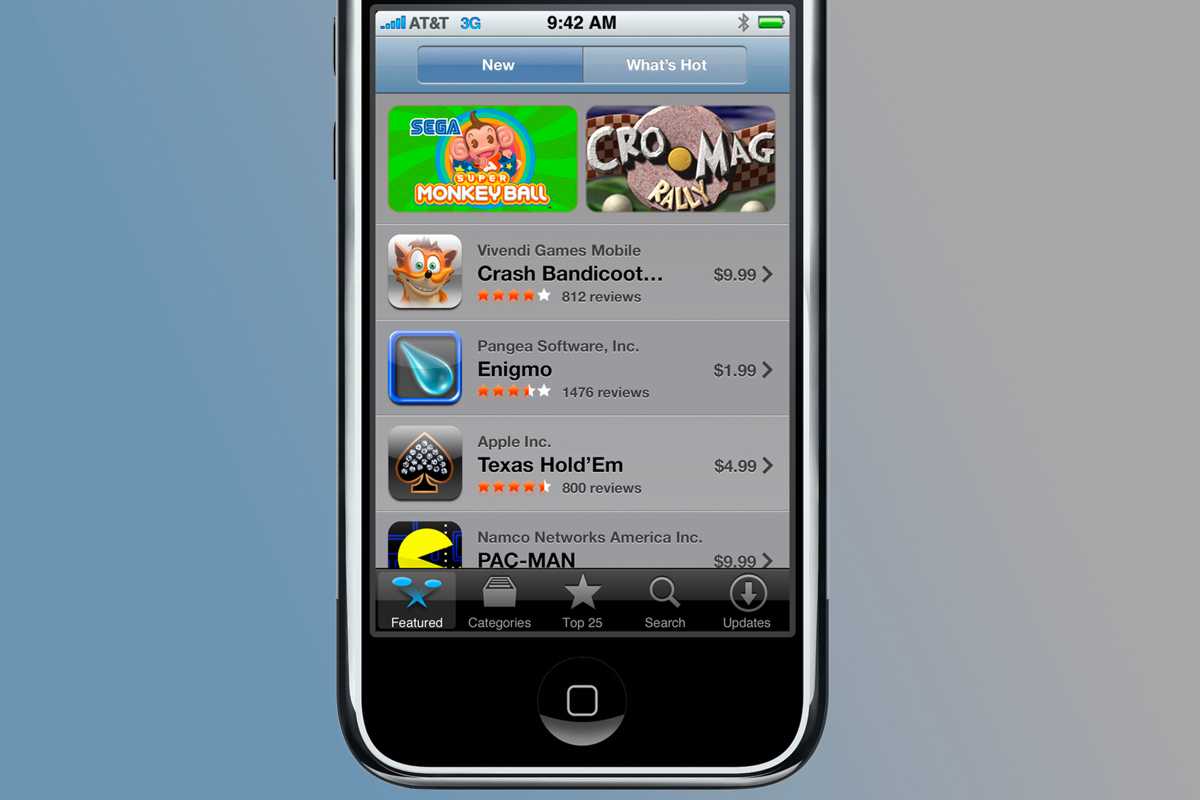
The launch of the App Store in 2008 fundamentally changed the iPhone. While Steve Jobs was initially opposed to the idea of allowing the iPhone to run third-party software, Apple soon realized that it could become a significant source of interest—and revenue.
Before the App Store, jailbreak tools for the iPhone were becoming widespread. Users wanted to install software other than what came pre-installed on the device or was available as a web app. The App Store represented a new business model not only for Apple but also for many independent developers. It quickly became a destination for apps, offering users entirely new categories of utilities and games, and spawned the ubiquitous phrase, “There’s an app for that.”
It’s hard to imagine the world today without apps like Uber or Instagram, and the App Store is what made them possible.
January 2008: MacBook Air
Apple
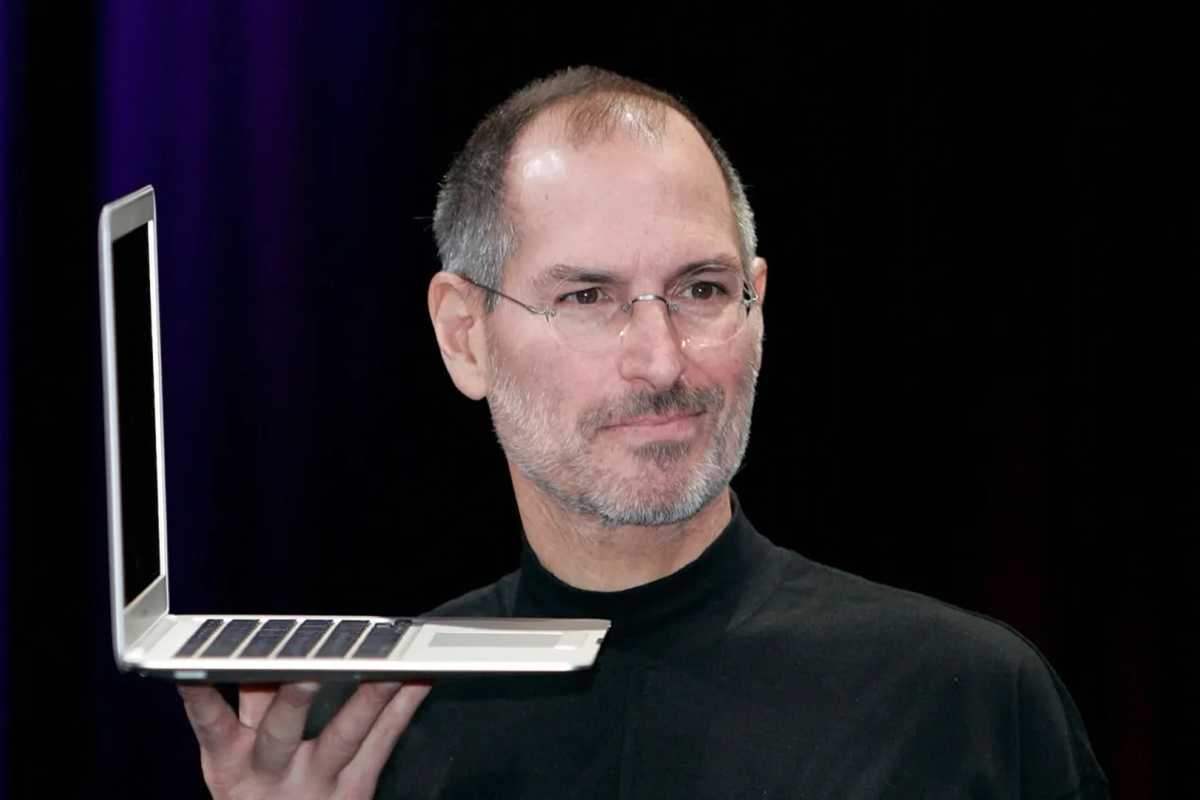
When Steve Jobs pulled the MacBook Air out of an inter-office envelope at Macworld San Francisco 2008, it was more than a dramatic presentation moment. The MacBook Air introduced a radically thin and lightweight laptop design that eliminated optical drives and prioritized portability.
Although the first model had limitations and was a little pricey, the concept proved hugely influential. Thin-and-light laptops soon became the standard across the entire PC industry. Competitors rushed to build more portable and better-designed laptops to compete with the MacBook Air.
Today’s Macs still incorporate many of the lessons Apple learned from the MacBook Air. And the brand has become so strong that it remains the go-to choice for many people who want a great laptop but don’t need a MacBook Pro.
January 2010: iPad
IDG
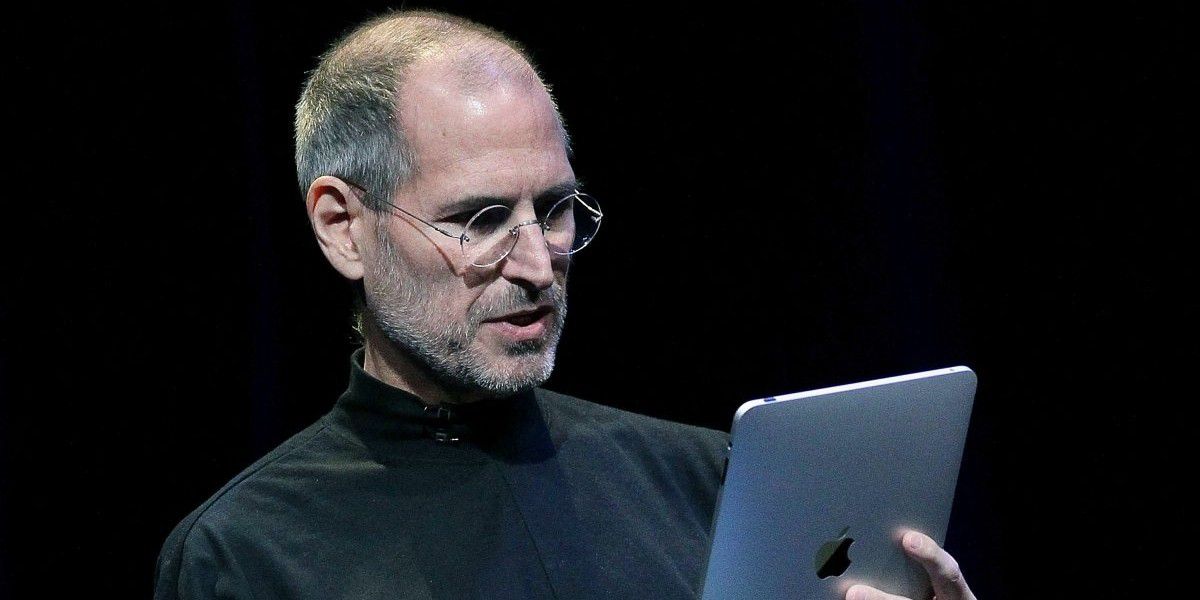
Tablets existed before Apple introduced the iPad in 2010, but they had poor battery life and ran clunky PC software that wasn’t optimized for touchscreens. By bringing the iPhone’s multitouch interface to a larger screen, the iPad changed the game.
The original iPad was a sleek sheet of aluminum and glass built on the iPhone’s software, which by then already had a vast ecosystem of optimized apps thanks to the App Store. Apple marketed it as neither a replacement for a MacBook nor an iPhone, but as something in between: A device that was more convenient for browsing the web, reading, and watching videos.
It didn’t take long for the iPad to blow up. Starting at just $499, the device quickly dominated the tablet market and became one of Apple’s fastest-selling products. Perhaps as importantly, the iPad was Apple’s first device to feature a custom-designed Apple processor, the A4, paving the way for many other devices powered by what are now known as Apple Silicon chips.
September 2015: Apple Watch
IDG
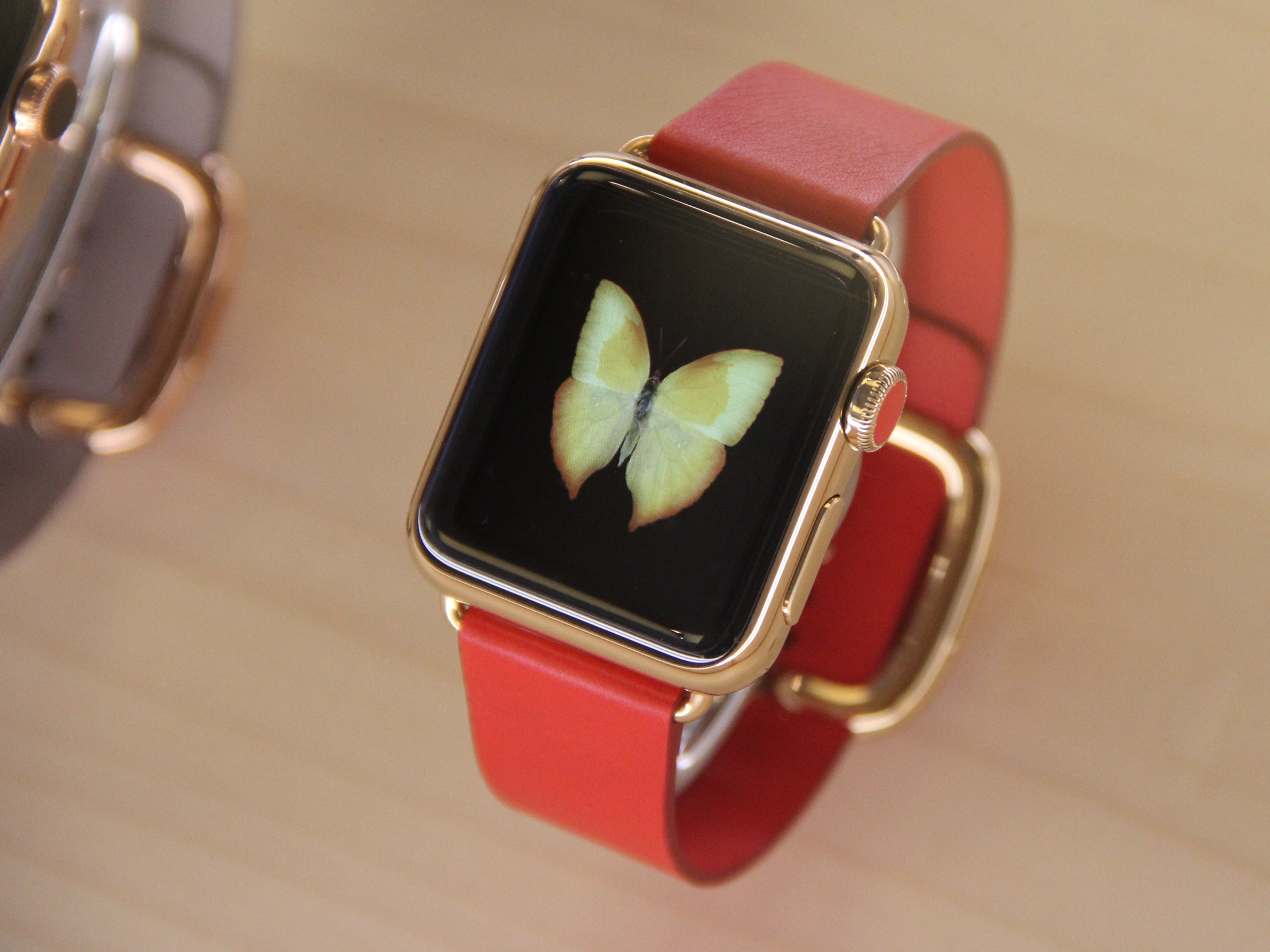
Apple expanded its product lineup again in 2014 with the introduction of the Apple Watch. It was the first entirely new product category launched under CEO Tim Cook and was largely shrouded in secrecy, so expectations were high.
It lived up to them. Although Samsung and Pebble were already making smartwatches, none of them looked as sleek or were as easy to use as the Apple Watch. From the moment it arrived, the Apple Watch changed the game and turned the smartwatch from a niche gadget into an indispensable accessory.
While the first version focused on notifications and apps and largely relied on an iPhone to do most of the work, Apple eventually repositioned its Watch as a standalone device focused on health and fitness features. Today, it has become one of the world’s best-selling watches (smart or otherwise) and a key part of the Apple ecosystem.
March 2015: 12-inch MacBook

Image: Dominik Tomaszewski / Foundry
Not content with the ultra-portable MacBook Air, Apple pushed laptop design even further in 2015 with the introduction of the ultra-thin MacBook.
The device introduced several controversial ideas, including a single USB-C port and a new butterfly keyboard mechanism. At the time, these decisions sparked debate among users. Even so, the 12-inch MacBook previewed several trends that would later shape Apple’s laptop lineup, including USB-C connectivity, Force Touch trackpad, and extremely thin designs. The design of the 12-inch MacBook later inspired redesigned versions of Apple’s other laptops.
Although Apple eventually discontinued the 12-inch MacBook, its influence can still be seen on today’s MacBook Air and MacBook Neo.
September 2015: Apple Pencil
When Apple introduced the first iPad Pro, it marked a notable shift in the company’s philosophy. For the first time, Apple positioned its tablet as a creative and productivity platform, with a giant screen that was a legitimate tool for artists, designers, and students.
But the real star was Apple Pencil. With pressure sensitivity, tilt detection, and near-zero latency, Apple Pencil offered a level of precision that made the iPad far more capable for drawing, note-taking, and professional workflows.
Years earlier, Steve Jobs had famously dismissed styluses as an input device for phones, but the Apple Pencil wasn’t meant to replace touch. It unlocked a new way to interact with the iPad and reinforced Apple’s long-term vision of the device as the future of PCs.
This is part four of a five-part series exploring 50 years of Apple product releases. Catch up on what you missed (1976-1985; 1986-1995; 1996-2005), and stay tuned to Macworld tomorrow for the conclusion, 2016-2026.


