Meta is looking a lot less meta lately, reportedly pivoting from the virtual reality Quest brand and the ghost of Oculus to double down on pervert glasses. After a decade of work, Sony’s VR ambitions over on the PlayStation seem to have made little progress. And I’ve barely heard a mention of Samsung’s Galaxy XR headset—allegedly the flagship launch device for Android XR—since it arrived six months ago.
While the idea that Apple is abandoning its Vision Pro headset might be overblown—the company is still actively hiring for the division—Michael Simon over at Macworld tells me the platform has basically zero gaming presence for the hardware. Hope for renewed interest in VR gaming with a big injection of Cupertino branding power has evaporated. Is virtual reality gaming, to borrow a term from da youts, cooked?
We’ve been here before
This “VR is dead” refrain seems to pop up about once every decade or so. The ghost of products like the Virtual Boy, Google Cardboard, and the short-lived VR modes for the original Nintendo Switch still haunt this space. But as someone who’s fairly invested in VR, in concept if not in actual monetary value, I have to admit things look bleak. Between a general malaise and the RAM crisis, it’s possible that VR gaming is going back in the coffin for the next few years.
I hate Facebook for a great many reasons, but this one is particularly pertinent: for buying up the promising tech and talent in Oculus and unsuccessfully leveraging it into a Metaverse infected with NFTs and Mark Zuckerberg’s digital rictus. In hindsight, the Metaverse clown show was the writing on the VR wall. The company attempted to transition from two separate but interesting spaces—a cool Wii-style casual game setup and serious immersion for the most intense PC gaming crowd—into the idea that people would wear VR headsets to do eight hours of work a day and pay Meta for the privilege.
Meta
That was always ridiculous on its face (ha!), but Zuckerberg spent and lost hundreds of billions of dollars trying to make it non-virtual reality. I think Meta’s desperate push to bring the least believable parts of Ready Player One to fruition might’ve been a poison pill for this entire sector. The brain worm wiggled its way inside of Apple, but Cupertino seems to have walked back from that particular cliff and cut its losses.
Nevertheless, the damage is done. VR headsets are no longer the cool toy you show off to your family at a holiday gathering. Between the ridiculous price of Apple and Samsung’s headsets, price increases pushing the cheap headsets well away from impulse buy territory, and the vague association with the aforementioned pervert glasses, Meta’s brand seems all but dead. I suppose the company can just monetize various surveillance states, as long as it can convince enough people to spend $500 on Ray-Bans that put a chatbot in their ears.
But I digress. I enjoy VR gaming and I want it to succeed, even if I’d prefer to live without the cyberpunk dystopia that augmented reality is rapidly morphing into. And aside from niche hardware providers to a small-but-extremely-devoted user base, there’s only one large company that’s still both invested and committed.
No need to play hide and seek here. It’s Valve.
The Steam Frame is in trouble
Valve, which has virtual reality hardware in both its past and future. Valve, which still hosts dedicated VR spaces on Steam, the de facto home of PC gaming, and hopes to push back into the mobile space with the Snapdragon-powered Steam Frame headset. Valve, which called its last showcase of PC virtual reality games “VR Forever.” If there’s a savior of VR gaming, at least in its current form, it’s Valve and Steam.
Valve
But Valve, giant that it has become in the gaming space, is not immune to the broader trends of the market. And I’m not even talking about VR’s slide back into the shadows. The incredible success of the Steam Deck handheld let Valve return to some former hardware passions, both in the PC-console hybrid space and in VR. That was seven months ago, and memory prices have quadrupled since then.
Valve swears it’s still working on getting both the Steam Machine and Steam Frame to market. But so far the only piece of this puzzle that’s actually been set down is the new Steam Controller, notably lacking in both memory and storage. Even if the new Steam hardware lands later this year, as Valve fervently hopes, it’s possible that it will be so expensive that it’s immediately forced into irrelevance. (It’s worth pointing out that the Steam Frame still has no verified price, but the Snapdragon XR-based hardware with 16GB of memory is similar to the Samsung Galaxy XR, which costs over $2,000 with included controllers.)
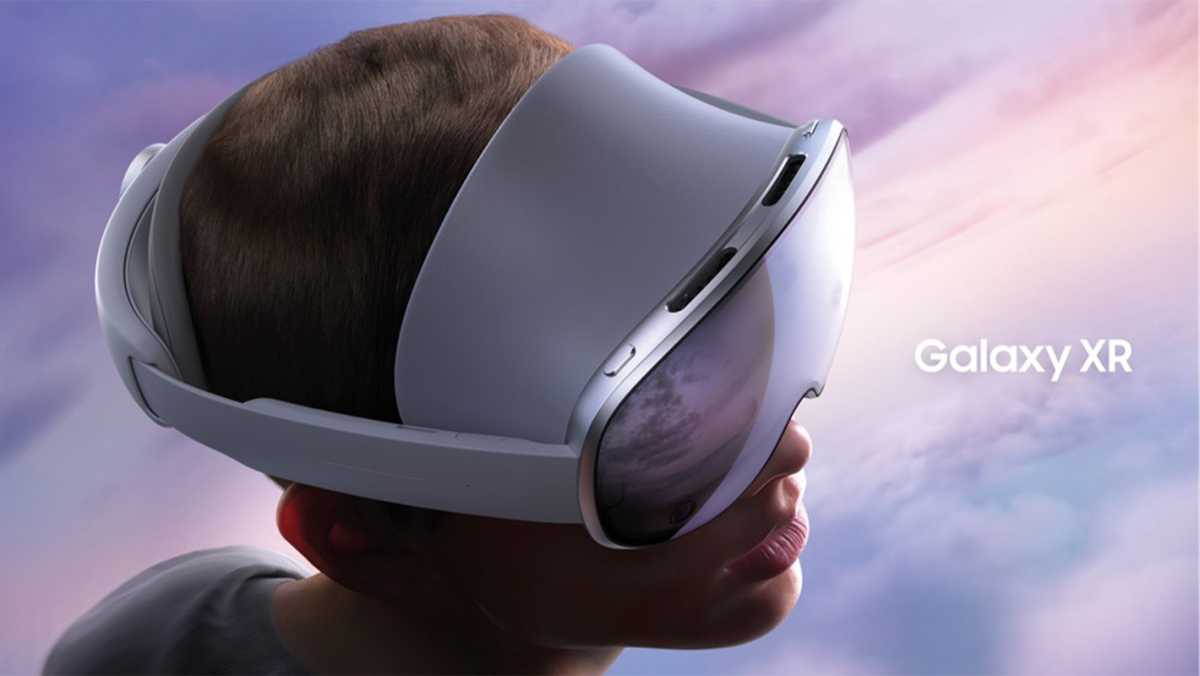
Samsung
It’s almost poetic that Meta tried to force VR into so many people’s lives as the next big trend, because now the new trend—”AI”—is killing both its own cynical interest in the space and Valve’s ability to deliver a more earnest vision for VR gaming. It’s a much bigger problem than just VR, of course. “AI” is killing affordable hardware across the entire consumer space, from phones to PCs to microSD cards. The Steam Machine and Steam Frame will arrive at the worst possible moment, assuming they still manage to arrive at all.
And I’m sorry to pile on here, but that’s only the hardware side of the equation. Virtual reality gaming still lacks its killer app, the tentpole game that can make people take notice and really get interested in the space. It doesn’t have an equivalent to Wii Sports or Zelda: Twilight Princess for the Wii’s motion controls. You could mention Beat Saber for the trendy side or Valve’s own Half-Life: Alyx (which is heavily featured on the promo page) for a technical showcase, but those games debuted in 2019 and 2020, respectively. Not exactly hot tickets now.
The next year may kill off VR gaming, leaving it in the same dustbin of history that NFT games (and NFTs in general) are deservedly occupying. That’d be a genuine tragedy. VR gaming was, and in some ways still is, a vibrant space full of creativity and innovation. For all its growing pains over the last decade and change, it’s one of the only parts of gaming where new ideas and interesting refreshes are everywhere. But I suspect that if the Steam Frame fails, or remains so niche that it gets put on the same listicles as Google Glass, we’ll have to wait another decade or more for this particular trend to come around again.
It feels weird to be cheering for a company that’s on a 20-year win streak. But for the sake of this wonderful little space in the gaming market, I’m rooting for you, Valve.
Further reading: Can Valve save VR gaming with the Steam Frame?


