April 1 marks Apple’s 50th anniversary, a milestone it couldn’t reach without the help of some very talented people. So we decided to put together a list of the 50 people who made Apple the company it is today. Some worked there for just a year or two; others for almost the entire half-century, while others never actually worked for the company at all. But all influenced Apple’s journey in some profound way.
This is all, of course, deeply subjective. It is very unlikely that every reader will agree with the author’s selections, far less with his rankings. Which is fine, we welcome the conversation. Our only rule is that if you complain about someone’s exclusion, tell us who you would cut to make room.
The list is presented in reverse order and will be expanded with 10 new names each day across this week. Who do you think will make the top 10? Drop us a message on Bluesky or Threads.
50-41
50. Katie Cotton
Apple
PR legend Katie Cotton joined Apple in 1996, shortly before the return of Steve Jobs, and worked closely with him for the next 15 years. For better or worse, she was instrumental in shaping the company’s communications strategy and famous culture of secrecy, fiercely controlling Apple’s portrayal in the press. As we wrote upon her retirement in 2014, she “largely turned public relations on its head.” Cotton sadly passed away in 2023, but like Jobs himself, her legacy lives on in Apple Park.
49. Al Gore
Kleiner Perkins
The former vice president of the United States is better known, of course, for his political career and climate advocacy. But Al Gore has made a small mark on Apple’s history too: After his failed bid to become president of the United States, he joined Apple’s Board of Directors. “Al brings an incredible wealth of knowledge and wisdom to Apple from having helped run the largest organization in the world: the United States government,” Jobs said at the time of his election. No, not that election.
48. Michael Spindler
During its 50 years, Apple has had seven full-time CEOs. Six of them are in this list. (Michael Scott, who was more memorable for the number of people he fired than the new products he oversaw, misses out.) Michael Spindler, who ran things from 1993 to 1996, is our next lowest-ranked CEO. His era wasn’t exactly a golden one, but he deserves recognition for the momentous launch of the first PowerPC Macs on his watch, as well as bold failures such as the clone licensing program. Spindler also fired a bunch of people and tried to merge with IBM, but nobody’s perfect.
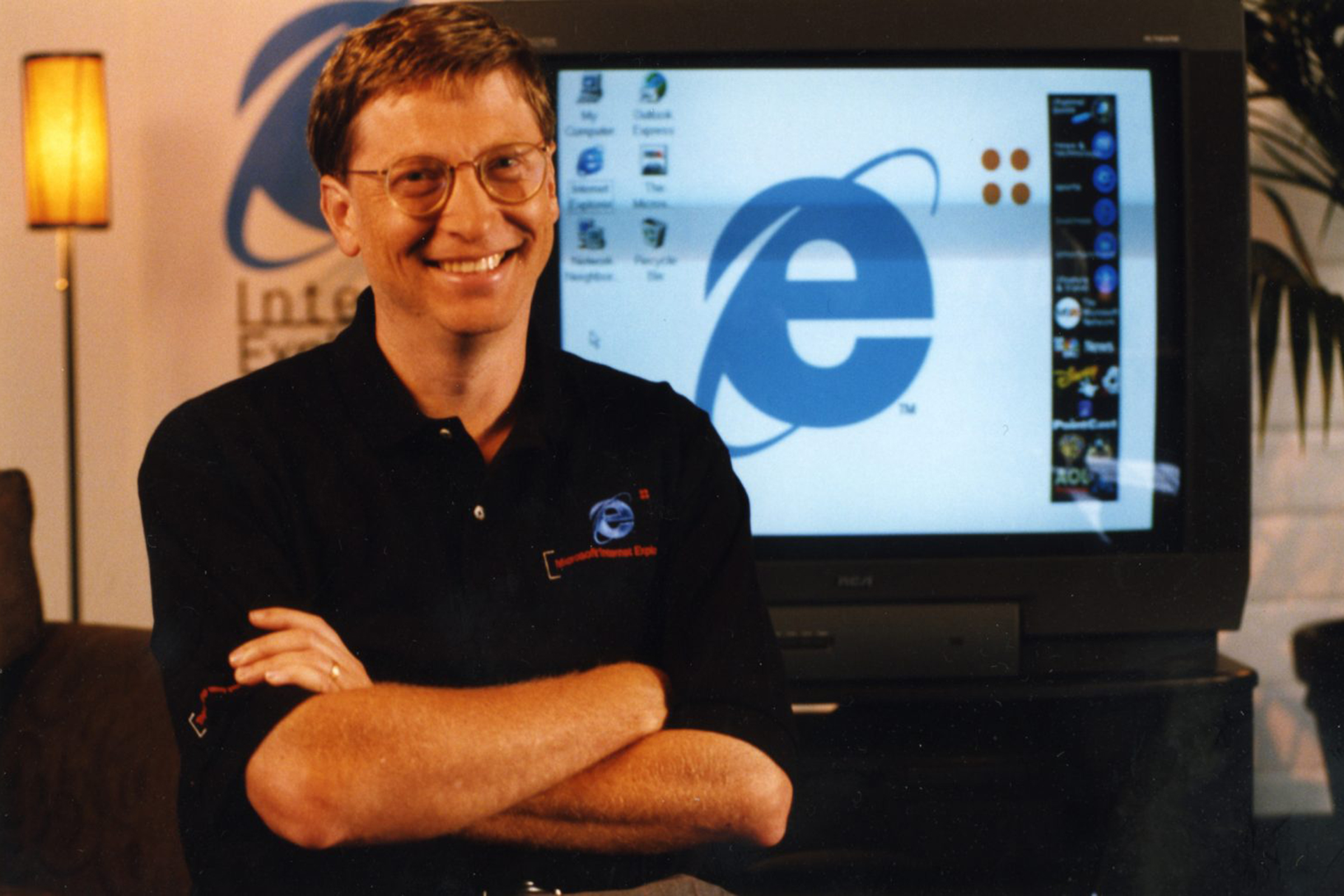
47. Bill Gates
Microsoft
Apple fans are mainly familiar with Bill Gates as the guy trying to get everyone to run Microsoft DOS or Windows instead of Mac OS through the 1980s and 1990s. But it’s important to remember that Apple probably wouldn’t have survived the latter decade without Microsoft’s $150 million investment (and its commitment to keep developing Office for the Mac) in 1997, and it was Gates who made that call. This felt like a Faustian bargain, but unusually for those types of stories, everything worked out OK in the end.
46. Bob Belleville
Folklore.org
Jobs famously recruited John Sculley from PepsiCo by asking him if he wanted to sell sugared water for the rest of his life. Bob Belleville, working at the time for Xerox, reportedly got the even less flattering line “Everything you’ve ever done in your life is shit, so why don’t you come work for me?” Perhaps surprisingly, this worked, and Belleville spent three years leading both hardware and software engineering for the Macintosh and overseeing the development of the LaserWriter.
In a 2015 documentary, he said that working under Jobs consumed his life and destroyed his marriage, yet movingly struggled to hold back tears while reading an obituary he wrote for his former boss. It’s hard to think of a better metaphor for the intense highs and desolate lows of working with Steve.
45. Chris Espinosa

Meredith Espinosa
Apple employee No. 8 joined the company in 1976 when he was just 14 (despite being warned about the notorious Steves by his teachers), and is still there today, making him Apple Inc.’s longest-serving employee. Espinosa did a bit of everything in the early days, from marketing to writing manuals and business plans, before finding his niche in technical projects such as Mac OS, Xcode, and AppleScript. Few can claim to have contributed so much, and none for so long.
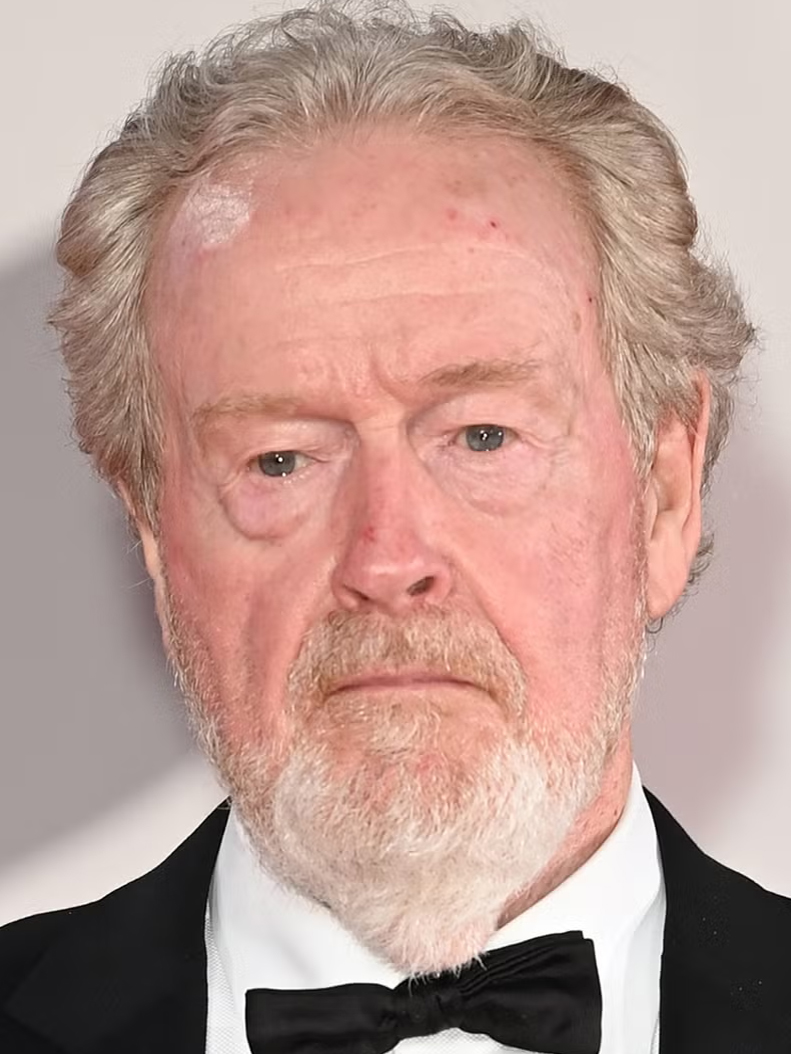
44. Ridley Scott
Getty Images
Lots of successful film directors have dabbled in advertising, but rarely does the resultant work merit more than a faintly embarrassing footnote in their career. Not so with Ridley Scott, who had already made Alien and Blade Runner when he was approached to direct a high-profile spot for the upcoming Macintosh computer. He could have passed on the sort of thing as beneath his stature, but instead, he made what is widely considered the greatest TV commercial ever made. All that without even showing the product.
43. Rod Holt

Alchetron
Already well into his 40s by 1977, Rod Holt was reportedly skeptical about both Apple and Steve Jobs himself when first asked by his boss at Atari to “help the kids out.” He reportedly demanded a fee of $200 per day, which proved to be a wise investment. Holt designed a vital switching power supply for the Apple II and later joined full-time as employee No. 5, chief engineer, VP of engineering, and chief scientist. “This process of invention is very unusual,” he said on the Mac’s 30th birthday many years later. “I think the world could use a lot more of it.”
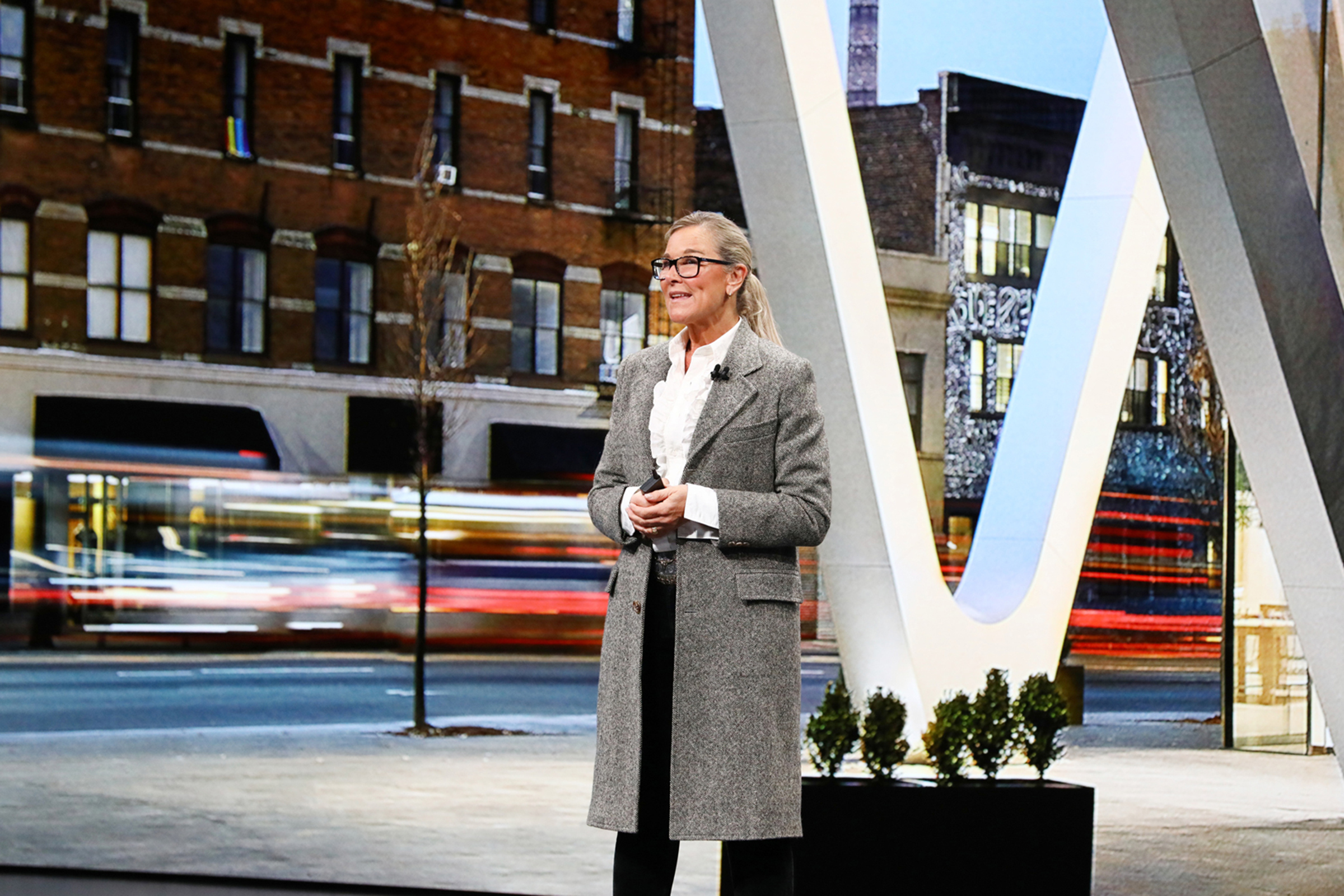
42. Angela Ahrendts
Apple
Apple’s first and for many years its only high-profile female executive, ex-Burberry CEO Angela Ahrendts merits inclusion as the pioneer she undoubtedly was in a male-dominated industry. (Just look at how many men there are on this list.) But that would be to sell her short, because she also made an indelible mark on the company’s retail presence around the world. Every time you walk into an Apple Store, you’re seeing Ahrendts’ influence, and the value brought to Apple by her deep understanding of the fashion and luxury markets.
41. Daniel Kottke
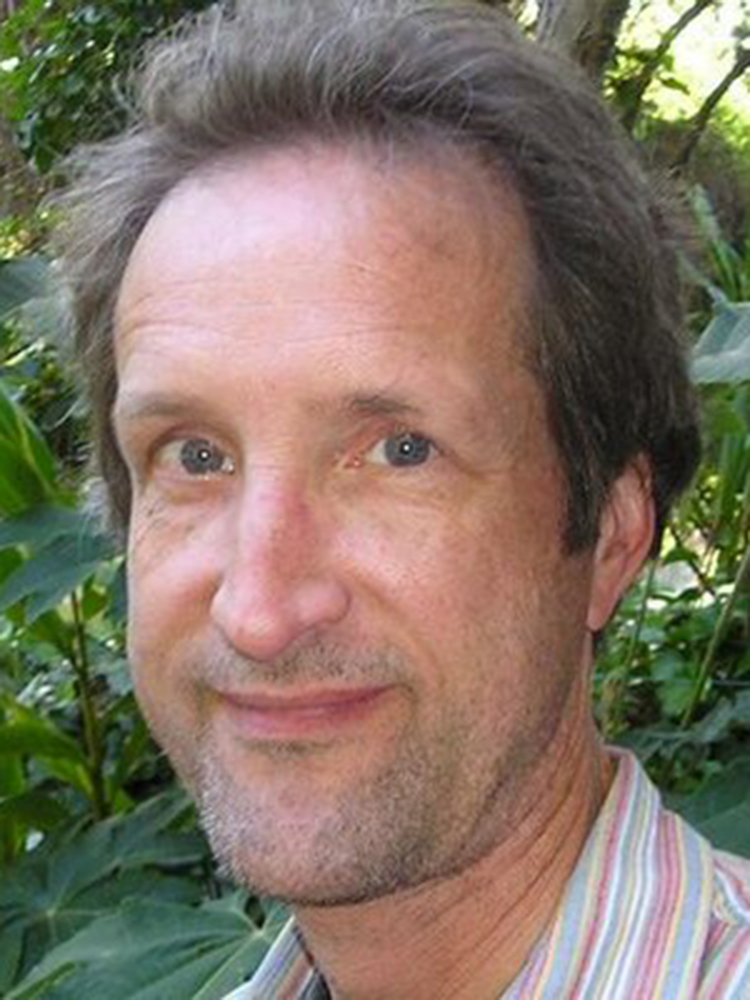
Having met Jobs (whom he described as “a really sweet guy, real quiet and shy”) at Reed College in 1972, Daniel Kottke later travelled extensively with the Apple founder. They trekked in India, seeking spiritual enlightenment, and they visited All One Farm, the Oregon commune owned by the love guru and LSD trafficker Robert Friedland. So it was natural enough, when Jobs started a company whose name was inspired by Friedland’s orchard, that he would bring his friend on board as Apple employee No. 12.
A self-taught engineer with little computing knowledge, Kottke grew to become an invaluable member of the team. He assembled and debugged circuit boards (he reportedly still owns all 12 original Mac logic boards), built prototypes, and designed the Macintosh’s detached keyboard. His signature is even embossed inside the case. But Kottke lost favor with the boss. When Apple went public in 1980, Rod Holt offered to match whatever stock options Jobs would give his buddy. “OK,” Jobs replied. “I will give him zero.” Not such a sweet guy after all.
40-31
40. Phil Schiller
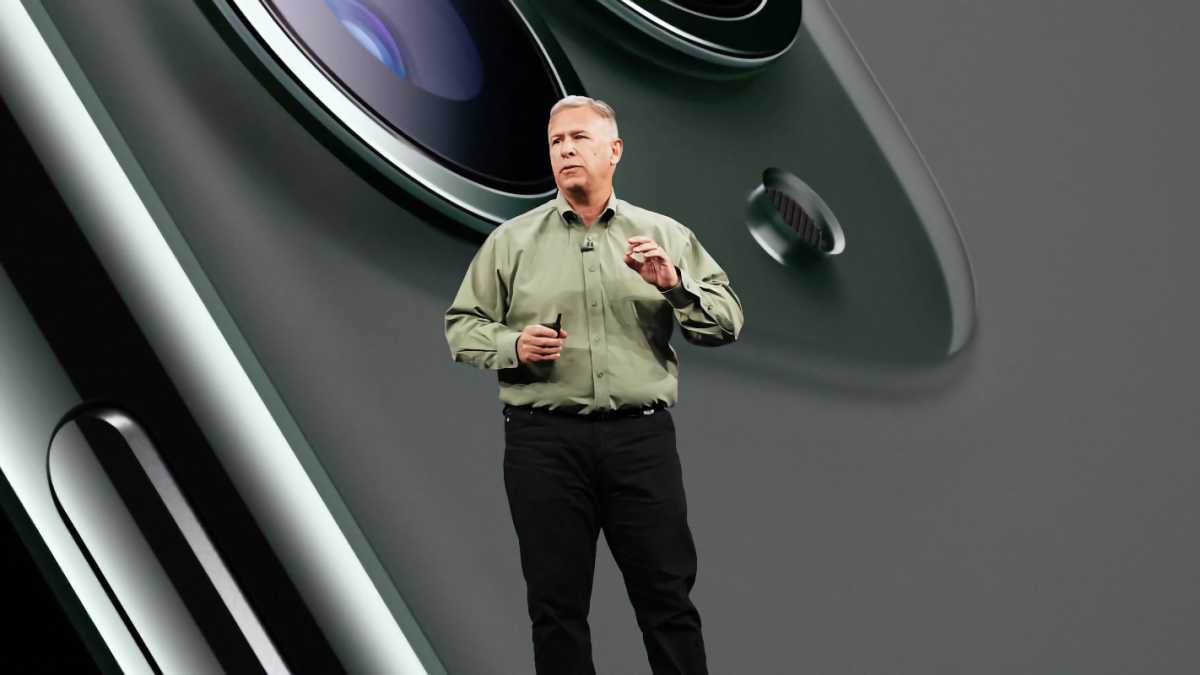
Apple
Phil Schiller is part of the modular furniture at Apple Park, having worked at the company in various roles for almost four decades. One of the most successful marketing men of our age, Schiller has enjoyed prominent roles in numerous keynote presentations and fronted several while Jobs was on medical leave. But he doesn’t just sell products: he helps to make them, too, boasting an inventor credit on nothing less than the iPod click wheel patent. In 2020, when Schiller was the first person in more than 25 years to be appointed as an Apple Fellow, he said, “I’ll keep working here as long as they will have me. I bleed six colors.”
39. Ron Johnson
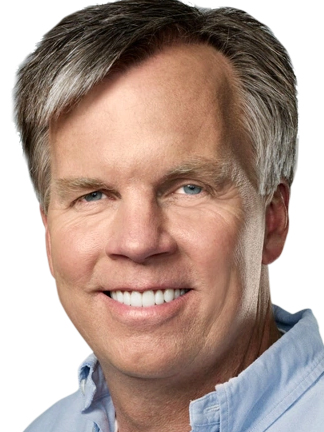
Apple
By the year 2001, it was apparent to basically everyone that the future of retail was online sales. Everyone, that is, except for a few bold thinkers at Apple who plunged wholeheartedly into bricks and mortar at what seemed like the worst possible time. Ron Johnson, who had been brought in from Target the year before, developed the concept of the Apple Store with a blend of creativity and tireless attention to detail, modelling it on great public buildings, obsessing over materials and lighting, and encouraging employees to help, not sell. The Genius Bar was his defining innovation: a mark, appropriately enough, of his very specific genius.
38. Joy Mountford

Joy Mountford
The user-friendliness that became a hallmark of Apple’s products can largely be traced to the work of the influential Human Interface Group, led by Joy Mountford from 1986 to 1996. A multidisciplinary project bringing together scientists, programmers, visual artists, and usability specialists, the group (which expanded from “about seven” to a 60-strong team) delivered design notes for a wide range of software products and codified the guidelines that would be followed by Mac app developers. Without Mountford, macOS might look very different today.
37. Bill Atkinson
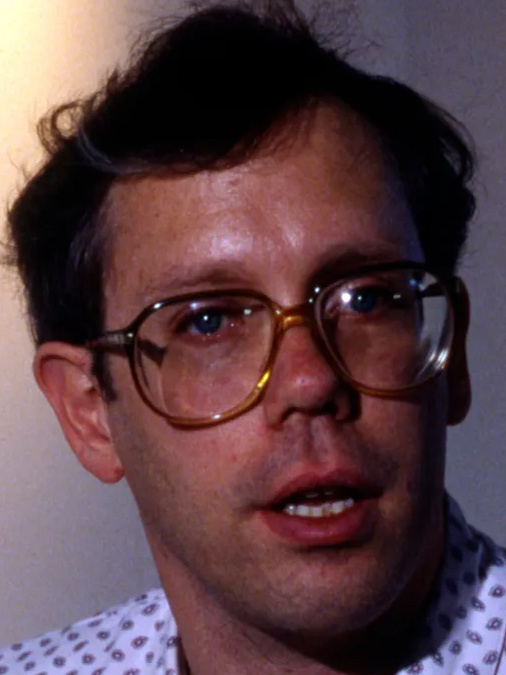
Getty Images
Apple’s fact-finding visits to Xerox’s Palo Alto Research Center at the end of the 1970s are the stuff of Cupertino legend. Xerox had developed the building blocks of the GUI computing interface as we understand it today–but it was up to Apple programmer Bill Atkinson and his team to polish and expand the concepts into something they could use in the Lisa computer, and afterwards the Macintosh. In an interview one year before his death from pancreatic cancer in 2025, Atkinson recalled being asked by Steve Jobs how long this would take: “I said something totally stupid. I said, ‘Maybe six months.’” It actually took three years, but the impact would last far longer than that.
36. Jean-Louis Gassée
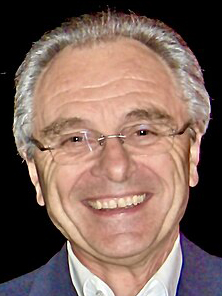
Wikipedia file
“Jean-Louis Gassée is evil,” Jobs reportedly told interviewer Brent Schlender in 1997. Then again, he might have been biased, since Gassée’s manoeuvrings were instrumental in the founder’s expulsion from Apple in 1985. Other industry figures have generally had kinder words for the French engineer-turned-executive who took over Steve’s role as head of the Macintosh team. Gassée not only founded Apple’s enormously profitable French division, but he was also responsible for a change in the Mac’s direction with projects such as the Macintosh Portable, Macintosh IIfx, and the Macintosh SE. Known for his jokey, informal onstage manner, Gassée was himself forced out of Apple in 1990, despite the best efforts of sympathetic employees who staged a demonstration on the lawn. Presumably, they saw him as a force for good, not evil.
35. Jeff Williams
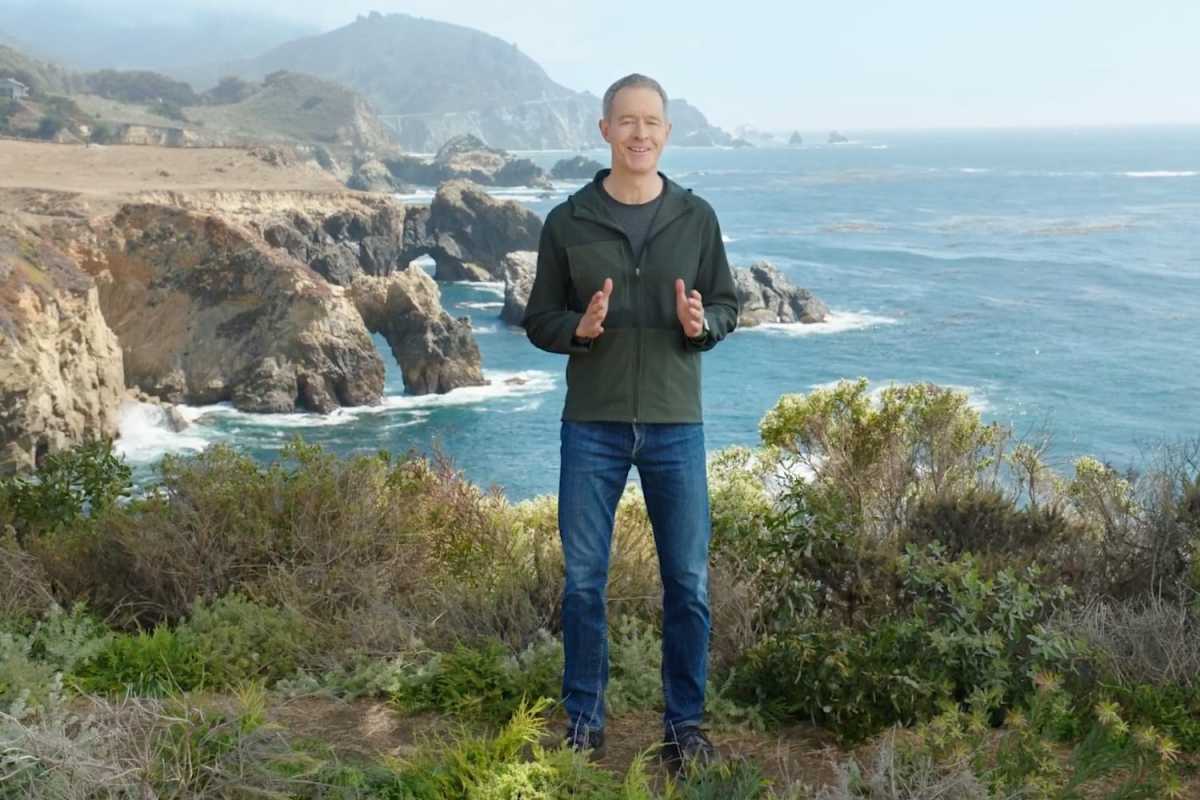
Apple
It took a strangely long time, after Tim Cook ascended to the top job in 2011, to fill his old post. Jeff Williams didn’t get the promotion to chief operating officer until 2015, becoming to Cook what Cook had been to Steve Jobs and, in the eyes of many, donning the mantle of de facto deputy.
For a while, it seemed probable that in due course, Williams would follow the same COO-to-CEO path as his predecessor. This made sense, given his high profile both internally and externally. He was a prominent stage presence at the launch of new products (the Apple Watch was a particular specialty), and the in-house design team reported to him after Jony Ive left in 2019. But the position never opened up. Cook, who is around three years older, keeps on trucking, and Williams retired last year. “Apple wouldn’t be what it is without him,” said his boss following his retirement.
34. Fred Anderson
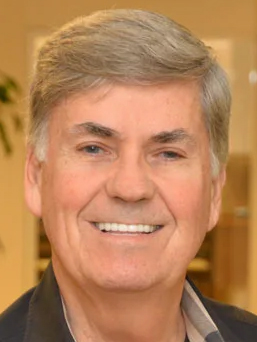
NextEquity
Who would have wanted to be Apple’s CFO in early 1996, with the flops stacking up and the company close to bankruptcy? Fred Anderson did, and he kept the position right through to the sunnier days of 2004. He even served as acting CEO between the removal of Gil Amelio and the installation of Jobs, doing the boring things (mostly) right in a way that allowed the geniuses to work their magic.I say “mostly” because he became embroiled in a backdating scandal that turned ugly, but this ignominious final chapter doesn’t change the fact that Anderson helped keep Apple afloat amid the most serious financial storms it ever had to weather.
33. Paul Terrell
NextShark
Small decisions can have huge consequences. Apple’s first big break came when Paul Terrell, owner of the pioneering tech retailer Byte Shop, agreed to pay $25,000 for 500 fully assembled Apple I systems. The problem was that the parts alone cost $15,000, which the new company simply didn’t have, and suppliers were unwilling to extend credit to a pair of scruffy youngsters without verification of the deal. The story became part of Apple lore. Jobs tried to reach Terrell, but he was at a conference at the time. So Steve got the organizers to announce Terrell had an emergency call over the loudspeaker. If he hadn’t heard the announcement, not taken that call, or refused to pay up (the Apple circuit boards were delivered without cases or power supplies), I might not be writing this article.
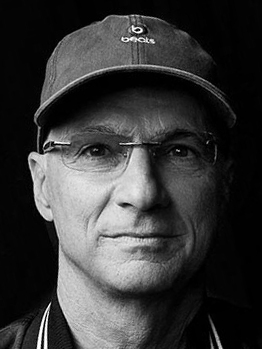
32. Jimmy Iovine
Jimmy Iovine
As part of a legal settlement with the Beatles over the Apple trademark in 1981, Apple agreed to stay out of the music business. That it has done such a spectacularly bad job of this can largely be traced to… well, the energy and persuasive powers of Steve Jobs. But the record exec Jimmy Iovine played a crucial role, too. Iovine put in a good word when his best friend, Universal Music Group boss Doug Morris, was weighing up the concept of the iTunes Store, leading Universal to get onboard with Apple and begin the industry shift towards digital music. (“This guy is unique!” he said, accurately, about Jobs. “He’s got a turnkey solution.”)
Iovine brokered the deal to have U2 appear in Apple ads, understanding that associating with a tech company would make the band appeal to a younger audience. And a few years later, after the headphone company he set up with Dr Dre became a runaway success, they sold Beats to Apple for $3 billion, the company’s biggest ever acquisition and its most significant since NeXT. This deal gave Iovine an undisclosed position at Apple, where he helped set up Apple Music. As if he hadn’t already done enough.
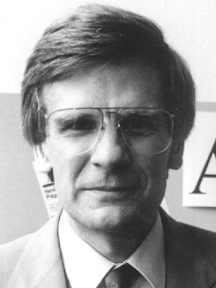
31. Paul Brainerd
Wikipedia
The software pioneer and environmentalist Paul Brainerd, who died earlier this year, coined the term “desktop publishing” and in 1985 released its first consumer application: PageMaker. Although it was later made available on other platforms, PageMaker started out on the Mac, establishing it as the first choice of every self-respecting digital creative. The next time you see a hipster sipping a flat white while editing video on a MacBook Pro, tell them that Paul Brainerd says hi.
This is part two of a five-part series counting down the most influential people throughout Apple’s 50-year history. Catch up on what you missed (50-41), and stay tuned to Macworld all week as we reveal the full list, continuing tomorrow with 30-21.


